
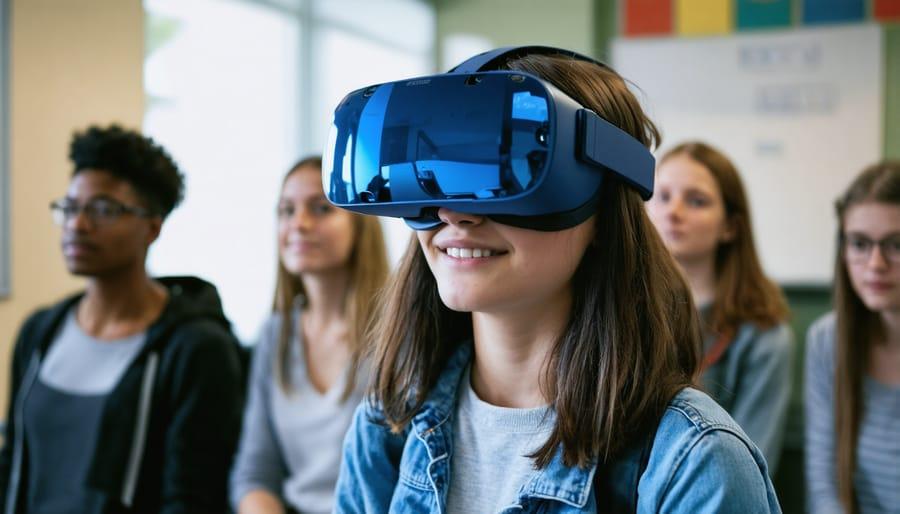
10 Best Cost-Effective VR Solutions for Schools: Affordable Virtual Reality for Education
Virtual Reality (VR) in education is no longer a distant dream—it’s a vibrant reality enhancing classrooms worldwide. However, many schools worry about high costs and technical barriers. Fortunately, there are affordable VR solutions for schools that empower students and educators alike, making interactive, immersive learning accessible to all. In this article, we’ll explore the 10 best cost-effective VR solutions for education, their unique benefits, and practical tips to help your school integrate VR into the curriculum effectively.
Why Virtual reality in Education?
Virtual Reality creates engaging and interactive learning environments where students can visualize complex concepts and experience lessons firsthand. Here are some vital benefits:
- Deeper Learning: Immersive VR experiences help students remember content for longer.
- Increased Engagement: Interactive worlds spark curiosity, enthusiasm, and critical thinking.
- Accessible Field Trips: VR brings museums, science labs, and historical sites directly to the classroom—often at a fraction of the cost.
- Safe Simulations: Students can practice skills, conduct virtual experiments, or experience scenarios that are or else impossible or hazardous in real life.
What Makes VR Solutions Cost-Effective for Schools?
The best cost-effective VR solutions for schools offer:
- Low hardware costs (affordable VR headsets and compatible devices)
- User-amiable interfaces for teachers and students
- Curated educational content
- Classroom management features
- Flexible licensing and pricing models for education
10 best Affordable VR Solutions for Schools
Let’s dive into the top virtual reality options that suit diverse budgets and classroom needs!
-
1. Google Expeditions & Google Arts & Culture
Price: Free (apps); Cardboard headsets at ~$10-20 each
Platform: Android,iOS
Highlights:
- Offers hundreds of immersive virtual field trips and museum tours.
- Simple cardboard headsets transform regular smartphones into VR devices.
- Extensive free educational content across STEM, history, art, and geography.
-
2. Oculus quest 2 (Meta Quest 2) for Education
Price: Starting at $299
Platform: standalone
Highlights:
- Affordable all-in-one headset—no PC or external sensors required.
- Wide range of educational VR apps and content.
- Support for classroom management and guided group experiences.
-
3. ClassVR
Price: Headsets start at ~$350 each; education packages available
Platform: Standalone
Highlights:
- Devices designed specifically for classroom settings.
- Web-based teacher controls for lesson management and monitoring.
- Pre-loaded with educational content and lesson plans.
-
4. Merge EDU (Merge Cube & AR/VR Headset)
Price: Merge Cube ~$20; headset ~$50; EDU subscriptions available
Platform: Android,iOS
Highlights:
- Combines tactile learning with handheld AR/VR experiences.
- Curriculum-aligned science simulations, games, and activities.
- Highly durable and washable—ideal for young students.
-
5. Veative VR Learn
Price: Custom education bundles available
Platform: standalone headsets or mobile
Highlights:
- Library of 500+ curriculum-aligned interactive modules (math, Science, ELA, etc.).
- Tracking and analytics for student performance.
- Suitable for K-12 and higher education.
-
6. SteamVR with Low-cost VR Headsets (e.g.,Pico,Lenovo VR Classroom)
Price: Varies by headset model,frequently enough $200–$400 each
Platform: Windows PC,standalone
Highlights:
- Access thousands of VR educational titles on Steam.
- Flexible hardware options for various learning environments.
- Customizable for STEM, arts, and technical training.
-
7. Alchemy VR
price: licenses for educational institutions
Platform: Most VR headsets
Highlights:
- Award-winning immersive documentaries and experiences.
- Rich content in science, history, and culture.
- Supports remote learning and classroom integration.
-
8. VictoryXR
Price: School subscriptions; bundles with VR headsets
Platform: Pico, Meta Quest, PC VR
Highlights:
- Standards-aligned VR curricula for K-12 and higher ed.
- Science labs, math modules, and immersive field trips.
- Recognized partnerships with Meta and universities.
-
9.zSpace
Price: Custom bundles per school size
Platform: AR/VR all-in-one laptops and headsets
Highlights:
- Blends VR/AR with interactive desktop computers.
- Excellent for STEM labs, medical training, and career tech education.
- Classroom management and teacher resources built-in.
-
10. ExpeditionsPro
Price: Free; works with Google Cardboard and ClassVR
Platform: android,iOS,VR headset
Highlights:
- Successor to Google Expeditions,supporting collaborative class tours.
- Huge library of educational expeditions and VR content.
- Custom tour creation tools for teachers.
Practical Tips for Introducing VR in Your School
- Start Small: Begin with 3-6 headsets or VR viewers as a pilot, expanding as demand grows.
- Leverage existing Devices: Use students’ or school-owned smartphones for Google Cardboard or Merge Cube solutions.
- Teacher Training: Invest in professional advancement for educators to boost confidence with classroom VR tools.
- Emphasize Curriculum Integration: Tie VR experiences directly to lesson objectives for the greatest impact.
- Seek Funding & Grants: many educational technology grants support VR adoption. Explore local, state, and national opportunities.
Case Studies: Real-World Success Stories
Science Labs Transformed with Merge EDU
In a Texas elementary school,Merge Cube enabled students to hold,explore,and manipulate virtual organs and molecules. Teachers saw a notable increase in science test scores and student engagement,especially for visual and tactile learners.
VR Field Trips in Rural Schools
Through Google Expeditions, a rural school district in Iowa took students on virtual field trips to the Great Barrier Reef and the International space Station—unlocking experiences otherwise limited by distance and budget.
Frequently Asked Questions (FAQ) About Affordable VR for Education
- Q: Are VR headsets safe for children?
A: Most VR products for education are designed with child safety in mind. Always follow manufacturer age recommendations—typically ages 7+ for immersive VR. Sessions of 15-20 minutes are a good starting point.
- Q: How much does it cost to implement VR in a classroom?
A: Entry-level solutions like Google Cardboard can cost under $200 for a classroom set. Ready-to-use headsets like the Meta Quest 2 or ClassVR range from $300–$400 each. Remember to account for devices, apps/subscriptions, and teacher training.
- Q: What subjects benefit most from VR?
A: Science, technology, engineering, math (STEM), history, geography, art, and even language arts can all leverage VR for immersive learning experiences.
conclusion: Embrace the Future with Cost-Effective VR for Schools
Implementing cost-effective virtual reality solutions in schools is more achievable than ever before. With affordable VR headsets and rich educational content, your classrooms can inspire, engage, and educate like never before—nonetheless of budget. Consider starting small, seeking funding opportunities, and leveraging the resources highlighted above.Virtual reality is transforming education—your school can be part of this exciting future while staying financially responsible.
Interested in learning more? Subscribe to our newsletter for the latest tips, tech reviews, and success stories about virtual reality in education!