
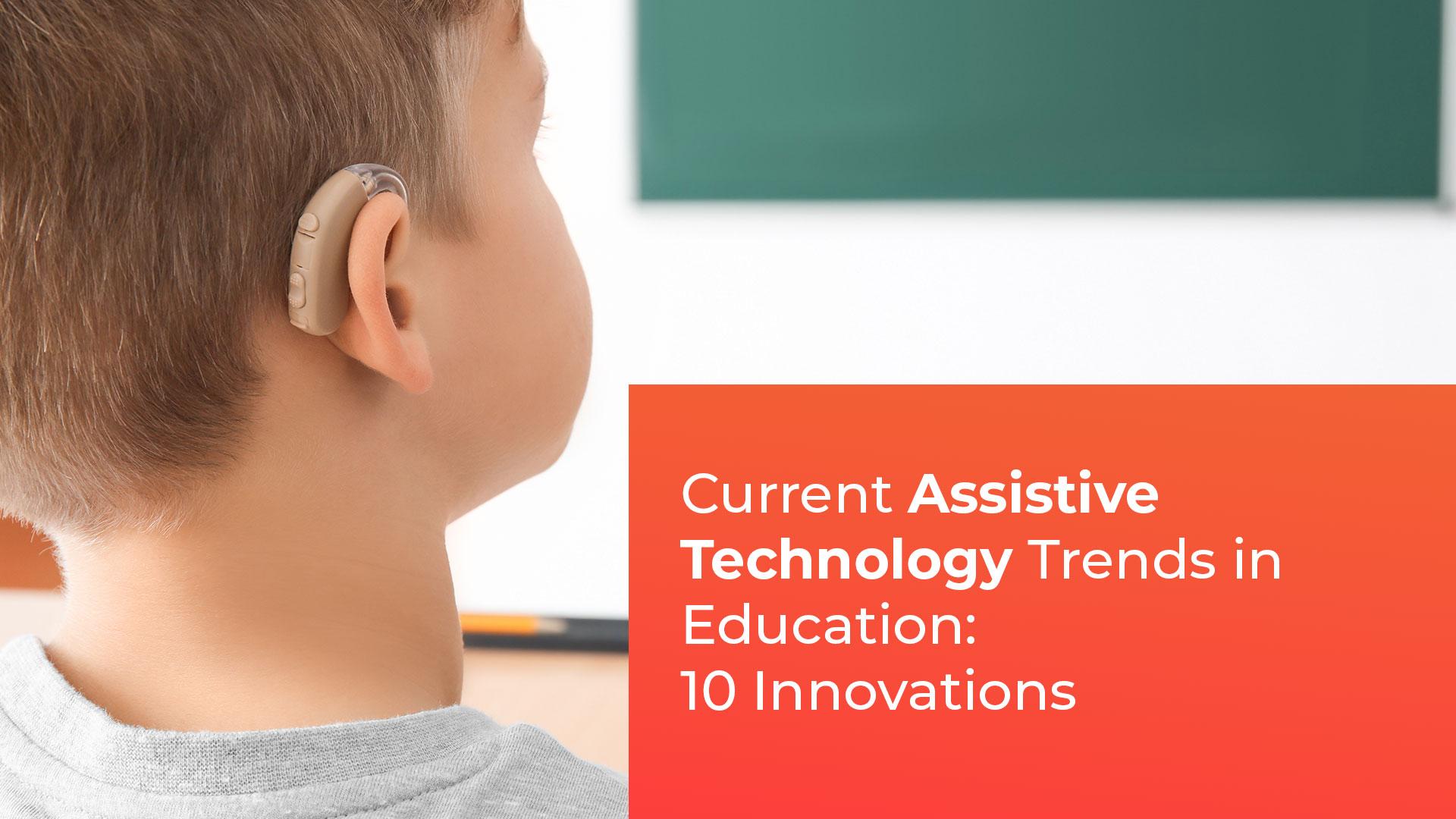
10 Breakthrough Assistive technologies transforming Learning Experiences in 2024
In the rapidly evolving world of education, assistive technologies are unlocking new pathways for students with diverse learning needs. As we move through 2024, the importance of inclusion in schools adn universities has never been greater. By leveraging powerful tools such as AI-driven apps, adaptive devices, and cloud-based platforms, educators are creating learning environments that remove barriers and foster success for all. In this article,we explore the 10 most influential assistive technologies transforming learning experiences in 2024.
What Are Assistive Technologies in Education?
Assistive technologies are devices, applications, or systems that help students with disabilities or learning differences access educational content, communicate, and collaborate more effectively. These technologies are designed to level the playing field, ensuring every learner can participate fully in class, absorb information, and demonstrate their knowledge.
Benefits of Assistive Technology in the Classroom
- Enhanced Accessibility: Makes learning resources and environments accessible to all students, regardless of their physical or cognitive abilities.
- Personalized learning: Tailors educational experiences to individual needs, optimizing outcomes.
- Empowerment: Builds confidence and independence in students who may or else struggle.
- Improved Engagement: Facilitates interactive and multisensory learning, holding student interest.
- Greater Inclusion: Fosters a sense of belonging, reducing stigma around learning differences.
10 Breakthrough Assistive technologies Transforming Education in 2024
-
1. AI-Powered Reading Assistants
Modern AI-driven reading tools like Microsoft Immersive Reader and Kurzweil 3000 are reshaping the way students with dyslexia, ADHD, or visual impairments engage with text. These applications offer:
- Real-time text-to-speech capabilities
- Adjustable font, spacing, and background for better readability
- Integrated language translation and picture dictionaries
Case Study: A district in Texas reported a 35% betterment in reading comprehension among students using Immersive Reader daily.
-
2.Advanced Speech Recognition Software
Speech-to-text tools such as Dragon NaturallySpeaking and google Voice Typing have become invaluable for students who struggle with handwriting or have mobility challenges. These applications support:
- Real-time dictation for essays and notes
- Voice commands for navigation
- Integration with major learning management systems (LMS)
Speech recognition empowers students to express their ideas clearly and efficiently.
-
3. Smart Note-Taking Apps
Innovative apps like Notability and Sonocent Audio notetaker blend audio recording, handwriting, and typing to accommodate various learning styles. Features include:
- Synchronization of audio with notes for easy review
- Automatic transcription
- Built-in organization and search tools
these solutions are especially beneficial for students with auditory processing disorders or attention difficulties.
-
4. Wearable Assistive Devices
Wearables, such as Braille smartwatches (Dot Watch) and bone-conduction headphones, provide discreet support. They help:
- Deliver tactile notifications and reminders
- Enable students with hearing impairments to listen via bone conduction technology
- Enhance day-to-day academic independence
These technologies are transforming mobility and reducing reliance on classroom aides.
-
5. augmented and Virtual Reality for Accessibility
AR and VR platforms like CoSpaces Edu and Oculus Quest enable immersive and accessible learning scenarios. Applications include:
- 3D modeling with audio descriptions for visually impaired learners
- simulated environments for students with social anxiety or autism
- Safe exploration of complex concepts through interaction
These experiences build engagement and deepen understanding in ways that traditional methods can’t.
-
6. Real-Time Captioning and Transcription Services
Services such as Otter.ai and Zoom’s integrated captioning provide live transcription for lectures and discussions. Key features:
- Real-time and accurate captions for students who are deaf or hard of hearing
- Transcripts available instantly for revision
- Multiple language support for ESL learners
This technology ensures no student misses key information in fast-paced classes.
-
7. Personalized Learning Platforms with AI Analytics
AI-powered platforms like DreamBox Learning and Canvas LMS tailor educational content to the student’s individual progress. Benefits include:
- Ongoing assessment and feedback
- Adaptive pathways based on strengths and challenges
- Data-driven recommendations for teachers
These systems support students at every ability level, ensuring personalized growth trajectories.
-
8. Option Communication Devices
For non-verbal or speech-challenged students, Augmentative and Alternative Communication (AAC) devices like Tobii Dynavox and iPad apps provide a voice. Features include:
- Custom symbol and text-based communication boards
- Touch, eye-gaze, and switch accessibility
- Ease of integration into classroom environments
These devices give every student the opportunity to be heard and participate.
-
9. Literacy and Math Support tools
Apps like Ghotit Real Writer (for dysgraphia and dyslexia) and ModMath (for math disabilities) use smart spell-check, visual supports, and problem-structuring tools. They offer:
- Guided step-by-step equation solving
- Phonetic spell-check and grammar correction
- Visual breaking down of complex concepts
These platforms reduce frustration and enable academic progress in critical subjects.
-
10.cloud-Based Collaboration Tools
Solutions like Google Workspace for Education and Microsoft Teams foster inclusive collaboration. Their accessibility features include:
- Screen readers and keyboard shortcuts
- Voice and video messaging options
- Real-time document editing with accessibility checker support
These platforms empower students to work together, regardless of location or device accessibility.
Practical Tips for Integrating Assistive Technology in the Classroom
- Start with Assessment: Identify individual student needs before choosing a technology solution.
- Engage Stakeholders: Involve teachers, students, and parents in the selection and review of tools.
- offer Professional Training: Ensure educators are well-trained in using and troubleshooting assistive tech.
- Promote Ongoing Support: Provide accessible support channels and regular tool updates.
- Monitor and Evaluate: Use data to determine effectiveness and guide future choices.
First-Hand Experience: Teachers and Students Share Their Stories
“As a teacher in an inclusive middle school classroom, introducing speech recognition writing tools has been a game-changer. My students with fine motor challenges now complete assignments independently and with pride.”
– Sarah Bennett, 7th Grade Teacher
“VR field trips have made learning history exciting. I can ‘visit’ places despite my physical limitations.”
– Emma Collins, Student, Age 14
looking Ahead: The Future of Assistive Technology in Learning
as assistive technology in education continues to advance in 2024, the lines between mainstream and specialist tools are blurring. AI, AR, and cloud-based solutions are becoming standard, not supplementary. This shift means accessible learning is not just possible—it’s expected. As institutions embrace these breakthrough tools, they’re investing in a future where every learner has the opportunity to succeed.
conclusion
From AI-powered reading software to cloud-based collaboration, the landscape of assistive technology for learning is richer and more inclusive than ever in 2024. These ten breakthrough innovations are reshaping the way educators teach and students learn, ensuring that no learner is left behind. By integrating these transformative technologies,educators empower every student to realize their full potential—no matter the obstacle. Stay informed, stay inspired, and harness the power of assistive technology to transform your educational community.