
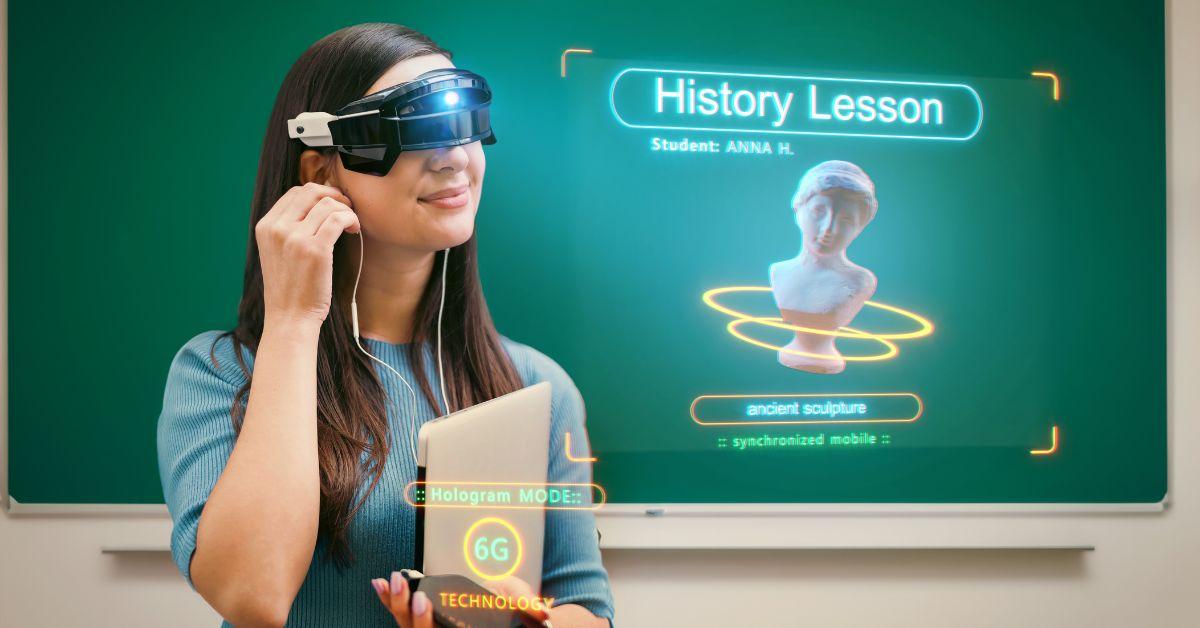
10 Cost-Effective VR Solutions for Schools: Affordable Classroom Technology for 2024
Bringing virtual reality (VR) into the classroom has transformed how students interact with learning materials, making education more immersive, engaging, and impactful. However, one of the primary barriers for many educational institutions is the upfront cost. Thankfully, 2024 brings a range of affordable VR classroom solutions that allow schools to leverage cutting-edge technology without stretching their budgets. In this article, we explore ten of the most cost-effective VR solutions for schools, highlight their benefits, offer practical implementation tips, and share real-world experiences to help educators make informed decisions.
Why Invest in Affordable VR Solutions for Schools?
Quality education goes beyond textbooks and lectures. VR technology offers interactive and immersive learning experiences that foster curiosity, creativity, and deeper understanding. Here’s why more schools are turning to affordable classroom VR technology:
- Increased engagement: Students are more likely to participate and retain details through hands-on virtual activities.
- Diverse learning opportunities: VR brings subjects to life – from exploring ancient civilizations to conducting virtual science experiments.
- Accessibility: Affordable VR solutions democratize advanced education, reaching wider populations nonetheless of socioeconomic status.
- preparedness for the future: Familiarity with VR prepares students for evolving tech-driven careers.
10 Cost-Effective VR Solutions for Schools in 2024
Finding budget-friendly VR platforms for schools doesn’t mean sacrificing quality. Here are the top ten VR solutions combining affordability, educational content, ease of use, and durability.
1. Google Expeditions / Google Cardboard
- Price Range: $10-30 per viewer
- Key Features: lightweight, works with most smartphones, hundreds of free VR educational experiences
- Why It’s Cost-effective: Utilizes existing smartphones; bulk kits are budget-friendly
Google Cardboard remains a pioneer in affordable VR education. With Google Expeditions, teachers can transport students to museums, outer space, or inside the human body with minimal investment.
2. Oculus Go (Refurbished/Used)
- Price Range: $70-120 (refurbished models)
- Key Features: standalone device, intuitive interface, robust educational app ecosystem
- Why It’s Cost-Effective: No need for PCs or smartphones; ideal for individual use and small groups
Although discontinued, the Oculus Go is still widely available as refurbished units, providing high-quality VR experiences at an unmatched price point.
3.ClassVR by Avantis
- Price Range: Starter packs from $400 (includes multiple headsets)
- Key Features: All-in-one VR solution, education-focused content library, centralized classroom management
- Why It’s Cost-Effective: Bundled kits reduce per-student costs
ClassVR is designed specifically for schools. Its teacher-friendly management platform makes lesson integration seamless.
4. MERGE VR Headset
- Price Range: $40-60 per headset
- Key Features: Durable foam design, compatible with many smartphones, access to MERGE EDU platform
- Why It’s Cost-Effective: Built to withstand classroom wear and tear; no need for additional hardware
MERGE VR is an excellent choice for hands-on science and social studies lessons, offering high-quality mixed reality experiences on a budget.
5. VR Classroom Starter Kits by RedboxVR
- Price Range: Kits start from $500 (multiple devices included)
- Key Features: Tailored for education, centralized device management, support and training
- Why It’s Cost-Effective: Bundled kits mean a lower per-device cost for group learning
RedboxVR specializes in affordable, education-focused kits, making large scale VR class rollouts feasible for schools.
6. Oculus Quest 2 (entry-Level Bundles)
- Price Range: $299-349 per unit
- Key Features: Wireless, standalone headset; broad content library including educational apps
- why It’s Cost-effective: Powerful hardware makes it versatile for various educational scenarios, reducing the need for other devices
The Oculus Quest 2 provides a premium VR experience at one of the lowest costs for a standalone device, with frequent education discounts.
7. Veative VR Learn Headset
- Price Range: Around $250 per headset (with bulk discounts available)
- Key Features: All-in-one design, broad curriculum-aligned content library, analytics dashboard for teachers
- Why It’s Cost-Effective: Discounted bundles and curriculum coverage
Veative is built for schools, with age-appropriate content and easy classroom management.
8. Homido Grab VR Headset
- Price Range: $30-40 per headset
- Key Features: Smartphone-compatible, lightweight, easy to clean
- Why It’s Cost-Effective: Bulk pricing, simple plug-and-play for budget-strapped schools
Designed with education in mind, Homido Grab is perfect for rapid deployment in large classes.
9.PICO G2 4K Education Edition
- Price Range: $350-400 per unit
- Key Features: Standalone VR, high-resolution display, enterprise support, customizable UI
- Why It’s Cost-Effective: Long device lifecycle, designed for frequent multi-student use
The PICO G2 4K delivers robust educational experiences, well-suited for high school and STEM programs.
10. Google Arts & Culture VR (Web-Based)
- Price Range: Free (works on desktops, tablets, and VR viewers)
- Key Features: Extensive library of virtual museum tours, historical sites, artwork collections
- Why It’s Cost-Effective: No hardware required beyond existing classroom devices
While not a headset, Google Arts & Culture is a treasure trove of immersive VR experiences that blend seamlessly with classroom lessons.
Benefits of Affordable VR Technology in Education
Implementing cost-effective VR solutions in schools delivers extensive benefits beyond initial engagement:
- Enhanced retention: Interactive environments foster deeper understanding of complex concepts.
- Inclusive learning: VR can be tailored for varied learning styles and abilities.
- Safe experimentation: Simulations let students safely test hypotheses and learn from mistakes.
- Global reach: Virtual field trips expose students to different cultures, environments, and perspectives.
Tips for Successfully Integrating VR into the Classroom
- Start small: Pilot with a single device or kit before expanding to whole-class implementation.
- Align with curriculum: Select VR experiences that supplement and enrich existing lesson plans.
- Train staff: Provide professional growth to ensure teachers are cozy and excited using VR technology.
- Encourage collaboration: Use VR for group activities to foster dialog and teamwork.
- Prioritize safety and hygiene: Choose headsets that are easy to clean, and establish protocols for student use.
Case Study: VR in Action – Inspiring Learning at Sunshine Middle School
In 2023,Sunshine Middle School piloted a set of 15 MERGE VR headsets with their sixth-grade science classes. teachers reported notable increases in student engagement and test scores, especially after a virtual “journey through the human circulatory system.”
- Key Results:
- 80% of students described science classes as “more interesting and understandable.”
- Test scores improved by an average of 12% compared to the previous year.
- Parents and teachers found VR to be a compelling supplement—not a replacement—for traditional instruction.
Frequently Asked Questions (FAQs)
How much does it cost to implement VR technology in schools?
Basic VR viewers like Google Cardboard can cost as little as $10 per device, whereas full standalone VR systems may cost $250 to $400 per unit. Prices drop substantially when purchasing classroom kits or via bulk discounts.
is VR safe for children to use?
Most VR manufacturers recommend headsets for ages 13 and up,but many elementary schools use VR viewers (like Cardboard or MERGE) for brief,guided lessons. Always follow manufacturer guidelines and prioritize eye health by limiting session lengths.
Do teachers need to be tech experts to use VR in the classroom?
No! Most cost-effective VR solutions offer intuitive interfaces and educator-friendly management tools. Though,introductory training and ongoing support help maximize VR’s classroom impact.
Conclusion
The once-daunting price of VR technology no longer prevents schools from embracing truly transformative, immersive learning experiences. Whether you opt for a humble Google Cardboard or a specialized education bundle, affordable classroom VR solutions make 2024 the perfect year for schools to unlock new dimensions in teaching and learning. By starting small,staying focused on educational goals,and tapping into a vast network of free and low-cost VR content,you can prepare your students for a future were digital and real worlds blend in innovative,impactful ways.
Ready to make your classroom future-ready? Explore these cost-effective VR solutions for schools today and watch every lesson come alive.