
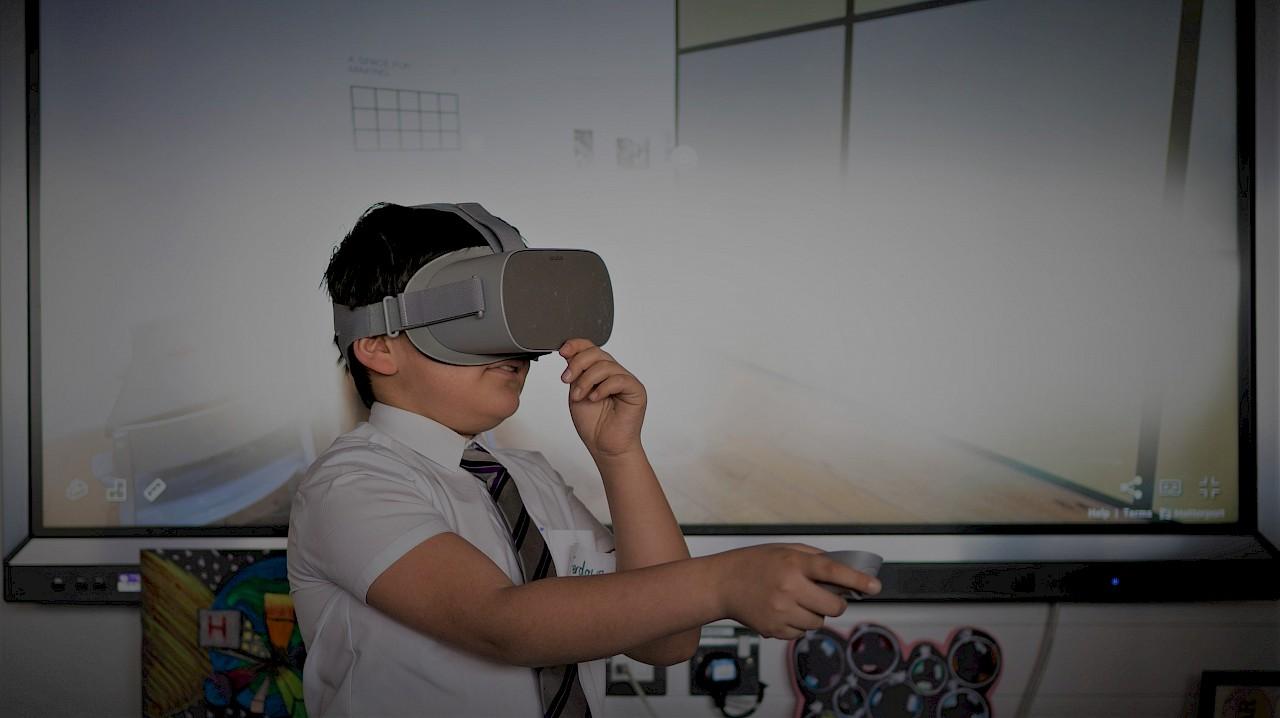
10 Cost-Effective VR Solutions for Schools: Affordable Virtual Reality for Classrooms
Virtual reality (VR) is revolutionizing education by making learning more immersive, interactive, and engaging. Yet, the notion that VR is too expensive frequently enough prevents schools from exploring its full potential. Fortunately, there are many cost-effective VR solutions for schools that deliver powerful educational experiences without breaking the budget.
Whether you’re an educator seeking to introduce affordable virtual reality in classrooms, or an administrator exploring innovative edtech for your district, this complete guide will help you discover practical, accessible options. Let’s delve into the best VR solutions tailored for education, their benefits, and how to get started.
Table of Contents
- Benefits of Virtual Reality in the Classroom
- 10 Cost-Effective VR Solutions for Schools
- Practical Tips for Implementing VR in Classrooms
- Success Stories: real-World Classroom Applications
- Conclusion: Bringing VR to Every School
Why Choose Virtual Reality in Education?
Before diving into specific solutions, it’s worth noting the transformative impact virtual reality in education can have:
- Enhanced engagement: VR fosters active participation and curiosity.
- deeper understanding: complex subjects come to life with immersive 3D experiences.
- accessible field trips: Bring the world’s wonders to the classroom at a fraction of the cost.
- Inclusivity: VR can be adapted for diverse learning needs and styles.
- Safe exploration: Simulate hazardous environments (e.g., volcanoes, outer space) with zero risk.
10 cost-Effective VR Solutions for Schools
Here are ten excellent and budget-pleasant VR classroom solutions that empower teachers to embrace immersive education without a high price tag.
-
Google Expeditions & Google Cardboard
Google Expeditions helps educators lead virtual journeys to past sites,outer space,or the human body. Paired with the ultra-affordable Google Cardboard visor (under $15), this is the gateway VR solution for schools on a budget.
- Easy to use with existing student smartphones
- 360° tours across hundreds of subjects
- free app from Google, making it highly accessible
-
ClassVR
classvr offers all-in-one, classroom-ready VR headsets and a dedicated educational content platform. Their entry-level kits are designed with schools in mind, frequently enough available for less than major consumer headsets.
- Robust classroom management tools
- Preloaded with curriculum-aligned content
- No need for student smartphones or PCs
-
Oculus Quest 2 (Meta Quest 2)
The Oculus Quest 2 delivers powerful wireless VR at an accessible price-point (frequently enough under $300). Schools can access an extensive library of educational apps, although adult supervision and account management are advised.
- Standalone, no PC required
- Well-supported by 3rd party educational platforms
- Durable and easy to deploy in classrooms
-
Merge EDU & Merge Cube
Merge Cube is a unique foam cube that enables students to interact with AR/VR content using just a mobile device. combined with the Merge EDU platform, schools can access 3D objects, science simulations, and VR lessons.
- Cubes cost less than $20 each
- Works with iPads, affordable VR visors, or tablets
- Highly interactive, tactile, and engaging
-
CoSpaces Edu
CoSpaces edu empowers students to design, build, and explore their own 3D worlds in VR. This browser-based platform is highly affordable, works on Chromebooks and tablets, and encourages creativity.
- VR mode available with Google Cardboard or similar visors
- License plans start for as little as a few dollars per student
- Popular for STEM,history,and language arts projects
-
Nearpod VR
Nearpod integrates VR field trips into its interactive lesson platform. Teachers can guide students through 360° images, no headsets required (but enhanced with Google Cardboard).
- affordable for schools with bulk licensing
- Offers VR experiences alongside traditional slides and quizzes
- User-friendly for all grade levels
-
pocketlab and Myriad Sensors
For STEM subjects,PocketLab blends real-world data collection with immersive AR/VR environments. Their low-cost sensors are matched by free or low-fee classroom software.
- Great for physics, biology, and environmental science lessons
- Offers hands-on exploration and virtual experimentation
- compatible with Chromebooks and iPads
-
zSpace
zSpace brings mixed reality to schools with affordable all-in-one devices that don’t require expensive VR headsets. Thay offer educational bundles for science, math, and more.
- Glasses-free depth perception for students
- Touch and stylus interactivity
- Flexible financing for schools
-
Veative VR
Veative supports schools with affordable standalone VR headsets and a vast, curriculum-aligned content library focused on STEM and languages.
- Headsets start at competitive educational pricing
- Content library covers K-12 subjects
- Analytics and assessment features for teachers
-
ExpeditionsPro (Successor to Google Expeditions)
ExpeditionsPro continues where Google Expeditions left off, providing free (or low-cost) VR field trips compatible with virtually any smartphone VR viewer.
- Easy setup for class-wide experiences
- Continually expanding content repository
- Includes teacher dashboard for lesson management
Practical Tips for Implementing Virtual Reality in Classrooms
- Start small: Pilot VR with a single device or small groups before scaling up.
- Leverage existing devices: Utilize smartphones, Chromebooks, or tablets to reduce upfront costs.
- Train staff: Invest in basic PD sessions for teachers to build comfort with VR tools.
- Seek grants and edtech funding: Look for local and national technology grants specifically for schools exploring VR.
- focus on curriculum alignment: Choose VR experiences that tie directly to learning objectives.
- Plan for hygiene: Use disposable face covers or simple cleaning protocols between uses.
Success stories: Real-World Applications in schools
Numerous schools globally have proven that affordable virtual reality for classrooms is both achievable and impactful:
A small rural middle school in Oregon used Google Cardboard and free VR apps to deliver virtual biology lessons. Students reported increased retention and enthusiasm, while teachers noted more inclusive participation, especially among shy learners.
By deploying ClassVR headsets, a primary school in the UK made history come alive with virtual tours of ancient Egypt and World War II scenarios. Teachers praised the system’s easy management and ready-to-use lesson plans.
A high school science department paired Merge Cubes with student iPads for AR-based physiology lessons.Feedback from students emphasized the value of 3D visualization for complex systems like the heart and brain.
Conclusion: Making Virtual Reality Accessible in Every classroom
virtual reality is no longer out of reach for budget-conscious schools. With a variety of cost-effective VR solutions for schools,it’s easier than ever to bring immersive,real-world learning experiences directly to students. By embracing affordable virtual reality in classrooms, educators can foster creativity, boost engagement, and prepare learners for the future.
Start your VR journey today with a pilot program or apply for technology grants, and watch as your students’ curiosity and understanding soar. The classroom of tomorrow is immersive—and it’s more affordable than you think!