
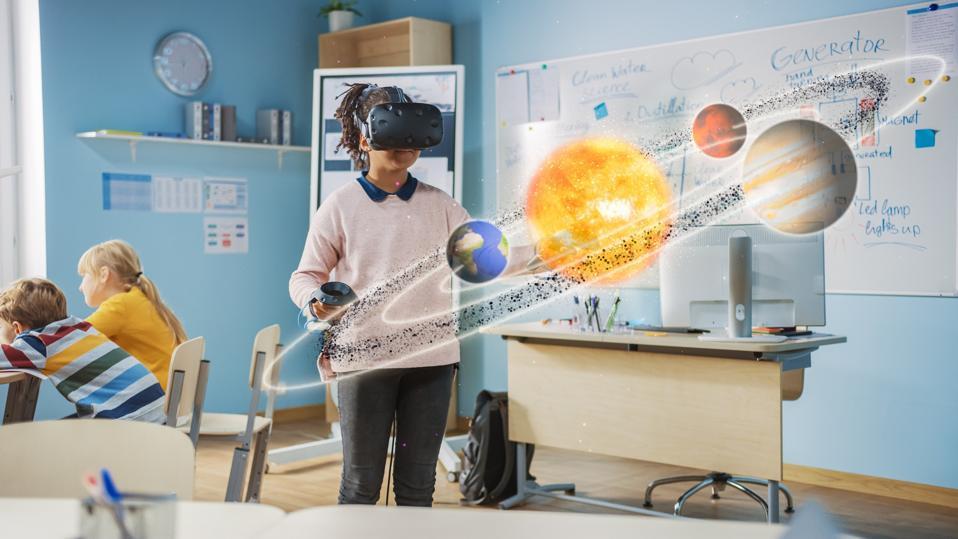
10 Cost-Effective VR Solutions for Schools: Affordable Ways to Enhance Classroom Learning
Introduction: Transforming Education with Affordable VR Solutions
Virtual Reality (VR) is revolutionizing the world of education, bringing lessons to life and creating immersive learning experiences for students. Though, many schools worry that integrating VR into the classroom will break the bank. The good news? There are plenty of cost-effective VR solutions for schools that deliver incredible value without soaring costs.In this article, we’ll explore 10 affordable VR solutions for classrooms and offer practical tips to help you get started, ensuring both educators and students benefit from this innovative technology.
Why Choose VR for Classroom Learning?
Before diving into the list of affordable VR options, it’s meaningful to understand the benefits of VR in education. When integrated thoughtfully, VR can:
- Boost engagement: Interactive 3D environments keep students interested and motivated.
- Encourage experiential learning: Students can explore virtual field trips or dangerous science experiments safely.
- Enhance understanding: Complex concepts are easier to grasp with immersive, visual learning.
- Support various learning styles: VR caters to visual, auditory, and kinesthetic learners.
- Promote collaboration: Many VR experiences involve teamwork and problem-solving.
10 Cost-Effective VR Solutions for Schools
Ready to bring affordable virtual reality into your classroom? Here are ten top picks for budget-friendly VR for schools:
-
Google Cardboard
Google Cardboard is an entry-level VR headset made from – you guessed it – cardboard! All you need is a compatible smartphone, and you’re set. Google Cardboard encourages active exploration with apps like Expeditions and Google Arts & Culture.
- Cost: As low as $7 per headset
- best for: Quick and affordable classroom VR integration
- Key features: Lightweight, simple setup, hundreds of compatible educational apps
-
ClassVR
ClassVR offers a comprehensive VR classroom solution, including custom headsets, teacher controls, and a library of curriculum-aligned content.
- Cost: From $375 per headset (with bulk discounts)
- Best for: Schools wanting a dedicated, managed VR platform
- Key features: Teacher portal, ready-to-use lesson plans, cross-curricular resources
-
Oculus Quest 2 / Meta Quest 2
The Oculus quest 2 (now Meta quest 2) delivers a wireless, powerful VR experience for a fraction of the cost of high-end systems. With access to a growing library of educational apps (like Wander or Tilt Brush), this standalone device is gaining popularity in schools.
- Cost: Starting at $299
- Best for: Schools seeking more robust, interactive VR content
- Key features: Standalone operation, wireless, high-resolution display
-
Merdeka VR (Asia-specific)
Merdeka VR focuses on providing affordable VR tailored for Asian schools, emphasizing local educational content.
- Cost: From $40 per student kit
- Best for: Schools in Asia needing region-specific curriculum material
- Key features: Content aligned with local standards, easy management
-
Merge VR Headset
Merge VR headsets are flexible, durable, and work with many smartphones. The pleasant foam design makes them child-friendly,while the Merge Explorer app provides AR and VR experiences for STEM.
- Cost: $49.99 per headset
- Best for: Elementary & middle schools with limited budgets
- Key features: Washable,compatible with iOS & android,large content library
-
Samsung Gear VR (used/refurbished market)
While no longer manufactured,Samsung Gear VR headsets remain a viable budget option through the second-hand market. They offer excellent compatibility with older Samsung Galaxy phones.
- Cost: As low as $20-$30 used
- Best for: Schools reusing existing technology
- Key features: Immersive quality, supported educational apps
-
Google Expeditions Kits (Pre-Owned)
Even though Google disbanded the Expeditions app, Expeditions Kits (bundled Cardboard viewers and tablets) are available pre-owned.These kits are perfect for budget-constrained schools wanting to harness Google’s VR content collection.
- Cost: Varies ($100-$300 for complete kits)
- Best for: Group-based virtual field trips
- Key features: Pre-configured devices, collaborative learning
-
Pico G2 4K VR Headset
The pico G2 4K is a standalone, all-in-one VR headset designed for the education sector. it supports custom content and bulk headset management.
- Cost: From $375
- Best for: Bulk classroom deployment with centralized management
- Key features: No smartphone needed, high resolution, education support
-
Homido Grab
Homido Grab is a colorful, simple VR viewer compatible with all smartphones. It’s approved for use in Google Expeditions and is a low-cost way to bring VR to the classroom.
- Cost: $13.99 per headset
- Best for: Events, workshops, or one-to-one classroom activities
- Key features: Large field of view, easy to use, ultra-lightweight
-
zSpace AR/VR Laptop
While a bigger investment upfront, zSpace offers an AR/VR-ready laptop enabling all-in-one solutions for hands-on science, math, and engineering education. Its shared model can improve cost-effectiveness in labs or STEM centers.
- Cost: From $1,499 (for single device used by multiple students)
- Best for: Specialized STEM or lab-based learning
- Key features: 3D glasses included, no external VR headset required, vast interactive content
Practical Tips for Implementing VR in the Classroom
- Start small: Pilot with one or two headsets before scaling up to an entire class set.
- Leverage free resources: Use open-source VR apps or public domain VR videos,such as those on YouTube VR.
- Collaborate with other teachers: Share headsets and best practices across subjects and grade levels.
- Focus on curriculum alignment: Integrate VR projects that reinforce your existing learning goals.
- Ensure digital safety and hygiene: Clean headsets and set clear usage policies for students.
Benefits of Cost-Effective VR Solutions for Schools
- Improved student engagement: Interactive VR experiences consistently grab students’ attention.
- Accessibility: Low-cost options allow more schools – including underserved communities – to bridge the digital divide.
- Personalized learning: VR can cater to students with diverse abilities and needs.
- Preparation for future careers: Students get hands-on experience with technology used in modern workplaces.
Case Studies: Schools Succeeding with Affordable VR
- Fairview Elementary (Ohio): Used Google Cardboard for virtual field trips, boosting interest in social studies and science.
- Urban High School STEM Club: Leveraged used Samsung Gear VR headsets to design virtual tours, increasing STEM club participation by 30%.
- Rural Medical School (India): Adopted Merge VR to simulate biology labs, compensating for limited lab resources.
Conclusion: Affordable VR Can Transform Your Classroom
Integrating VR into your teaching practice doesn’t have to be expensive. With these cost-effective VR solutions for schools, you can unlock new possibilities in education – engaging students, expanding their horizons, and better preparing them for the future.Start with one headset or kit, explore free educational VR apps, and connect with other educators to maximize your results. The classroom of tomorrow is more accessible – and affordable – than ever before!