
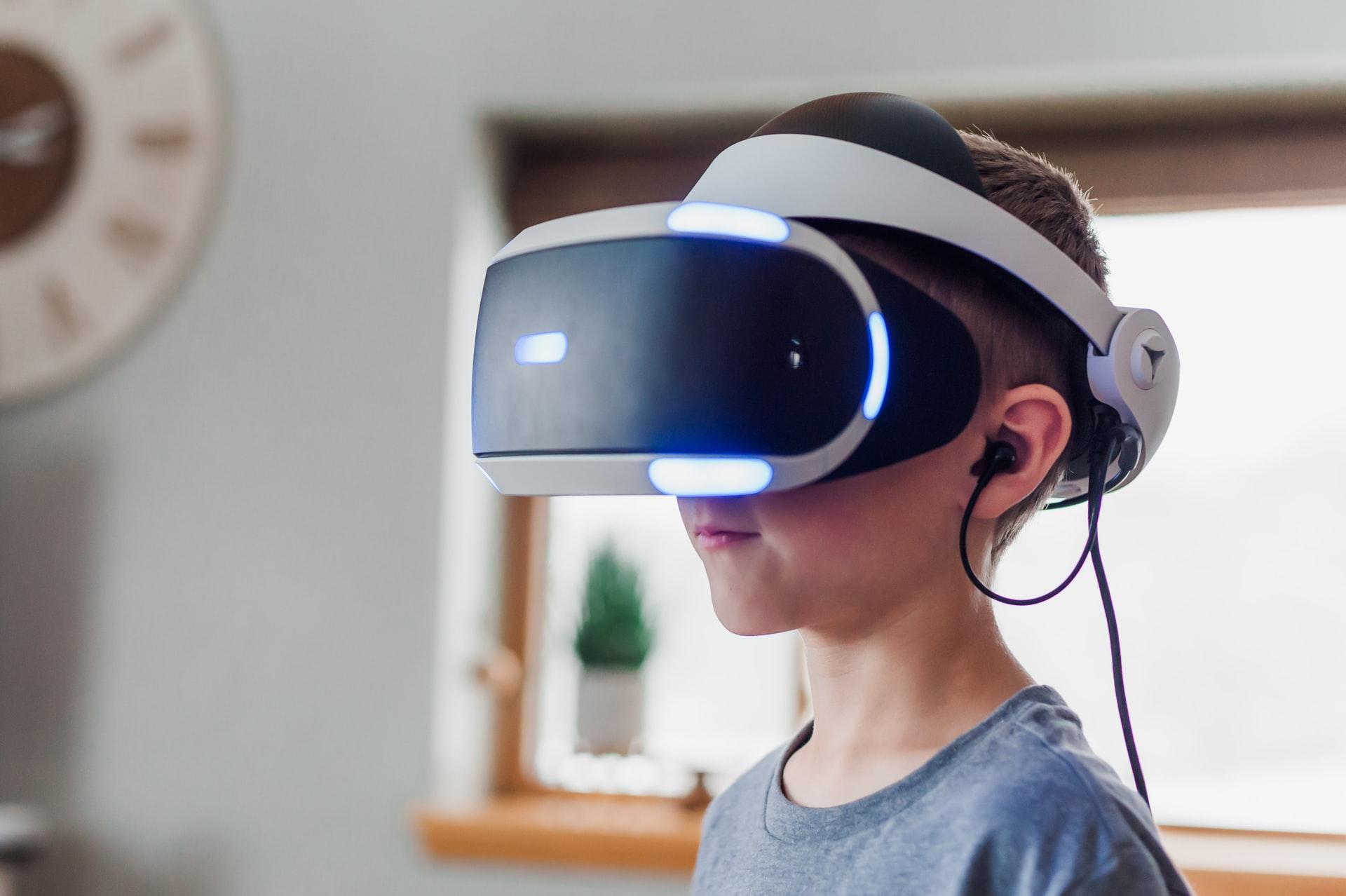
10 Cost-effective VR Solutions for Schools: Transform Classroom Learning on a Budget
Virtual reality (VR) is rapidly transforming the landscape of classroom education, offering immersive experiences that spark curiosity, improve retention, and foster collaboration among students. Though, integrating VR into schools can seem prohibitively expensive, especially for institutions on a tight budget. Fortunately, a growing range of cost-effective VR solutions for schools can make interactive, engaging learning a reality for all educators. In this thorough guide, you’ll discover the top 10 affordable VR solutions, their benefits, practical tips for implementation, and real-world examples to help you revolutionize your classroom learning without breaking the bank.
Why Choose Affordable VR for Schools?
For many schools, traditional VR systems are a hefty investment. Though, technological advancements and new educational platforms have paved the way for accessible, budget-friendly VR tools. Here’s why integrating affordable VR into classrooms makes sense:
- Enhanced Student Engagement: Interactive virtual environments motivate learners and make lessons memorable.
- Improved Knowledge Retention: Experiential learning helps students retain complex concepts.
- Inclusivity: VR can bridge gaps for students with different learning styles and abilities.
- Cost Savings: Low-cost solutions decrease the financial barrier to tech adoption.
Top 10 Cost-Effective VR Solutions for Schools (2024)
Here’s our curated list of budget-friendly VR platforms and devices perfect for classroom learning:
1.Google Cardboard
- Average Price: Under $20 per headset
- Compatible Devices: Most smartphones
- VR Experiences: Expansive library using Google Expeditions, YouTube VR, and other apps
Google Cardboard is one of the most accessible VR solutions for schools. Its simple design transforms smartphones into VR headsets, making virtual field trips and interactive lessons affordable for all educators.
2.MERGE VR Headset
- Average Price: around $40
- Material: Soft,durable foam safe for kids
- Notable Apps: MERGE Miniverse,Expeditions,Froggipedia
MERGE VR is designed for children,offering comfort and resilience while supporting smartphone-powered VR and AR apps tailored for education.
3. ClassVR
- Average Price: Starts at $299 per headset (discounts for bulk and EDU bundles)
- Features: Classroom management features, preloaded curriculum packs
- special Benefit: Teacher control panel for seamless instruction
ClassVR offers a turnkey educational VR system with a library of lessons and resources mapped to curriculum standards, making implementation easy for teachers.
4. Oculus Quest 2
- Average Price: starting at $299
- Wireless Design: No PC required
- Educational Apps: EngageVR, Anne Frank House, Mission ISS
Oculus Quest 2 provides a powerful standalone VR experience with access to a broad range of immersive educational content, perfect for science, history, and art classes.
5. BoboVR Z6
- average Price: approximately $50
- Wireless Audio: Built-in Bluetooth headphones
- Compatibility: Most Android and iOS smartphones
BoboVR Z6 combines affordable pricing with notable audio features,making group VR sessions more engaging for students.
6. VR Kits with Google Expeditions
- Average Price: $99-$200 per kit (includes multiple headsets)
- Content: Over 900 virtual tours and lesson plans
- Scalability: Great for classrooms and small group activities
VR kits designed for educational use maximize the power of Google Expeditions,helping teachers facilitate guided virtual explorations on a budget.
7. Pico G2 4K EDU
- Average Price: Around $399 per device
- Features: Standalone headset, wireless, multi-user teacher controls
- Durability: Optimized for classroom environments
Pico G2 4K EDU offers robust educational features in a wireless format, perfect for science labs and history simulations.
8. Destek V5 VR
- Average Price: $40-$50
- Compatibility: Works with most smartphones
- Design: Comfortable and kid-friendly
destek V5 VR is a budget-friendly choice for schools ready to experiment with classroom VR without meaningful investment.
9. Homido V2
- Average Price: $50
- Compatibility: Android, iOS smartphones
- Special Feature: Adjustable lenses for different eyesight needs
Homido V2 stands out with its adjustable lenses, ensuring students with glasses can comfortably join VR lessons.
10. Veative VR Learn
- Average Price: Pricing varies, education bundles available
- key Content: 500+ interactive modules in STEM, Math, English, Science
- Teacher Analytics: Track student progress
Veative VR Learn’s all-in-one offerings make VR adoption straightforward with curriculum-aligned resources and assessment tools for teachers.
Benefits of Virtual Reality in Schools
Integrating cost-effective VR solutions for schools doesn’t just save money—it yields huge educational benefits:
- Immersive Learning: Students can visit ancient civilizations, explore outer space, or analyze scientific phenomena firsthand.
- Inclusivity & Accessibility: VR can accommodate various learning needs,supporting ESL students,special education,and remote learners.
- Collaboration & Critical Thinking: Many VR platforms include multiplayer experiences and problem-solving activities.
- Motivation & Engagement: Gamification and interactive content boost classroom participation.
Practical Tips: How to Implement Affordable VR in Your Classroom
Maximizing the benefits of VR doesn’t require a tech overhaul. Here’s how you can get started—step by step:
- Start Small: Begin with low-cost viewers like Google Cardboard for introductory lessons or pilot programs.
- Leverage Existing Devices: Use current student or school smartphones and tablets to power VR headsets.
- Find Free or Low-Cost Content: Explore platforms like Google Expeditions, youtube VR, and MERGE Miniverse for lesson ideas.
- Bundle & Save: Purchase VR kits or bulk headsets for classroom-wide access at a discounted rate.
- Integrate with Curricula: Align VR modules with existing lesson plans to reinforce classroom topics.
- Get Student Feedback: Regularly ask students about their VR experiences to optimize lesson plans.
Case Study: Real-World Success with Budget VR in Schools
Lincoln Elementary, Oregon – Expanding Horizons with VR
Lincoln Elementary launched a pilot program using Google Cardboard and MERGE VR headsets, focusing on science and geography. Students took “virtual field trips” to Africa, outer space, and prehistoric Earth. Teachers reported significant improvements in student engagement and a measurable increase in test scores. feedback highlighted how VR helped visual and kinesthetic learners understand complex topics and motivated even the most reluctant students to participate.
first-Hand Experience: Teacher Insights
Ms. Jordan, Middle School Science Teacher:
“Introducing VR to our classroom has been transformative. Students are eager for their lessons, and the immersive nature of VR allows them to experiment and ask questions in ways that weren’t possible before. The best part? We did it all on a shoestring budget, relying mainly on smartphone-based viewers and free apps. If you’re a teacher considering VR, start small and watch your students’ excitement grow!”
conclusion: Affordable VR Makes Innovative Learning Possible
The future of education is immersive, engaging, and accessible—thanks to the many cost-effective VR solutions for schools now available. With options to suit every budget, even the most resource-limited classrooms can provide students with experiences that spark curiosity and deepen understanding. By leveraging affordable VR platforms, educators can unlock interactive learning, boost student motivation, and close the digital divide. Ready to transform your classroom on a budget? Try one of these top 10 VR solutions and see the difference for yourself.
Frequently Asked Questions: Budget-Friendly VR for Schools
- What are the technical requirements for school VR? Many affordable VR headsets pair with existing school smartphones or tablets.Check compatibility before purchasing.
- Is VR safe for kids? Most educational VR headsets are designed for student use, with safety guidelines provided.Adhere to suggested time limits for classroom use.
- Can VR fit into standard lesson plans? Yes! Many VR platforms offer curriculum-aligned resources and guides for educators.