
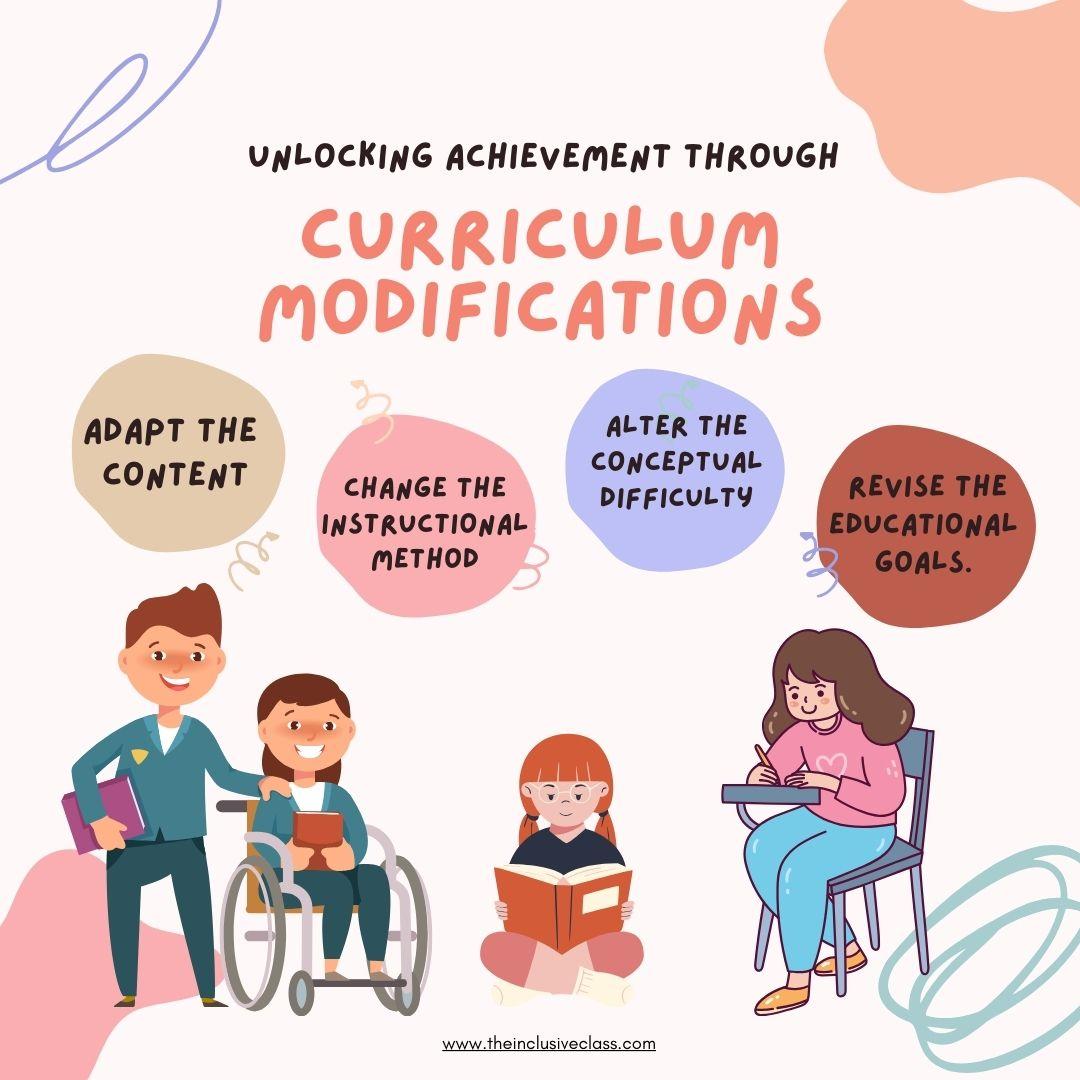
10 effective Strategies for Designing Inclusive Curricula for Diverse Learners
Introduction: Why Inclusive Curriculum Matters
In today’s globalized society, classrooms are increasingly made up of students from varying cultural, linguistic, and socioeconomic backgrounds, as well as students with differing learning abilities. designing inclusive curricula for diverse learners ensures that all students can participate meaningfully in the learning process, ultimately improving academic success, social-emotional well-being, and lifelong learning skills.
But what dose an inclusive curriculum look like, and how can it be implemented effectively? In this comprehensive guide, we’ll uncover 10 effective strategies for designing inclusive curricula for diverse learners. Whether you’re a teacher,administrator,or education advocate,these actionable steps will help you cultivate an educational experience that values and leverages diversity.
Benefits of Designing Inclusive Curricula for Diverse Learners
- Elevates Academic Achievement: Inclusivity enables all learners to engage with material in ways that best suit their strengths and needs.
- Promotes social-Emotional Progress: Students feel respected, valued, and more motivated to participate.
- Reduces Achievement Gaps: Addressing diverse learning styles helps ensure equal opportunities for success.
- Prepares Students for a Diverse World: Learners gain cultural competence and empathy by engaging with different perspectives.
- Improves Teacher Effectiveness: Educators grow more responsive and skilled in creating adaptive lesson plans.
10 Effective Strategies for designing Inclusive Curricula
-
1. Establish Global Design for Learning (UDL) Principles
Universal Design for Learning is a framework for developing curricula that accommodate individual learning differences. UDL promotes multiple ways of representation,engagement,and expression,ensuring curriculum materials are accessible to everyone.
- Present information in various formats (text, audio, visual, hands-on activities).
- provide options for students to demonstrate understanding (projects, presentations, tests).
- Foster engagement through varied instructional methods and materials.
-
2. Incorporate Culturally Responsive Teaching
Culturally responsive curricula recognize and honor the diverse cultural backgrounds of all students.This approach integrates content, examples, and viewpoints reflective of students’ identities and experiences.
- Use texts and resources that represent various cultures and perspectives.
- Celebrate cultural heritage months and discuss global holidays.
- Encourage discussions that allow students to share their own stories and viewpoints.
-
3. Scaffold Learning Objectives
Scaffolding involves breaking complex skills or concepts into smaller, manageable parts and providing structured support. This method is notably helpful for students with learning differences or language barriers.
- Offer step-by-step instructions and check-ins.
- Use graphic organizers and visual aids to clarify information.
- Gradually remove supports as learners gain independence.
-
4. Differentiate Instruction
Differentiated instruction tailors content, process, and products to meet individual learners’ needs. This ensures that advanced, remedial, and English language learners all receive appropriate challenges and supports.
- Provide choices in assignments and learning tasks.
- Adjust reading levels and learning materials based on students’ abilities.
- Group students flexibly for tasks based on interests, readiness, or learning profile.
-
5. Foster an Inclusive Learning Surroundings
A welcoming and supportive classroom climate boosts participation and risk-taking—key factors for deeper learning.
- Encourage respectful dialog and active listening.
- Create classroom norms that celebrate differences.
- Set high expectations while offering ample encouragement.
-
6. Integrate Assistive Technology
Digital tools can help level the playing field for students with disabilities or English language learners. Consider using technologies such as:
- Text-to-speech and speech-to-text applications.
- Closed captions and audio transcripts for videos.
- interactive software and apps for personalized learning.
-
7. Collaborate with families and the Community
Involving families and community members enriches the curriculum and supports the holistic development of students. Effective dialogue with caregivers helps educators understand each child’s background and needs.
- Organize family engagement events and workshops.
- Invite guest speakers and community actors relevant to topics being taught.
- Use multilingual communication to keep all families informed.
-
8. Regularly Assess and Reflect on Curriculum Effectiveness
continuous assessment ensures the curriculum remains relevant and effective for all learners. Gathering feedback and using data helps educators make informed adjustments.
- Use formative assessments to monitor progress.
- Encourage student and parent feedback about lesson accessibility.
- Adapt curriculum based on assessment data and evolving needs.
-
9. prioritize Social-Emotional Learning (SEL)
Teaching emotional intelligence and self-regulation is vital for student success. Embedding SEL into the curriculum helps all students, especially those who may feel marginalized.
- Integrate activities for self-awareness, empathy, and teamwork.
- Teach conflict resolution and coping strategies.
- Model positive communication and relationship skills.
-
10. Provide Ongoing Professional Development
Professional growth empowers educators to implement inclusive teaching practices confidently and effectively.
- Offer training on inclusive curriculum design, differentiated instruction, and cultural competency.
- Promote teacher collaboration and sharing of best practices.
- Stay current with educational research on diversity and inclusion.
Practical Tips for Implementing Inclusive Curriculum Design
- start small: Pilot one or two new strategies at a time to build confidence and measure impact.
- Seek feedback: regularly ask students and peers for insights on what’s working and what could be improved.
- Be flexible: Remain open to change as your student population and their needs evolve.
- Utilize available resources: Tap into professional networks, online forums, and local organizations focused on inclusive education.
“When we design curricula with diversity in mind from the beginning, we don’t have to retrofit or make exceptions. we simply make learning accessible for all.” – Experienced Inclusive Education Specialist
Case Study: Inclusive Curriculum in Action
At Riverside Primary School, teachers used Universal Design for Learning strategies to revamp their reading curriculum. By offering audio books,digital texts at varied reading levels,and opportunities for group discussion,they saw:
- A noticeable boost in reading engagement among English language learners.
- Improved confidence and participation from students with dyslexia.
- More collaborative learning, with peers teaching and supporting one another.
These modifications required thoughtful planning,but the payoff was worth it: every student could access,comprehend,and enjoy the material.
Conclusion
Designing inclusive curricula for diverse learners is not just a box to check—it’s a commitment to equity, excellence, and lifelong impact. By implementing the 10 effective strategies outlined in this article, educators and curriculum developers can better meet the needs of all learners, creating classrooms that empower, inspire, and prepare every student for a brighter future.
Remember, inclusive curriculum design is an ongoing journey.Stay curious, collaborate widely, and strive to make every lesson an opportunity for every learner’s success. For more resources and inspiration on inclusive education strategies, explore our blog or join our educator community.