
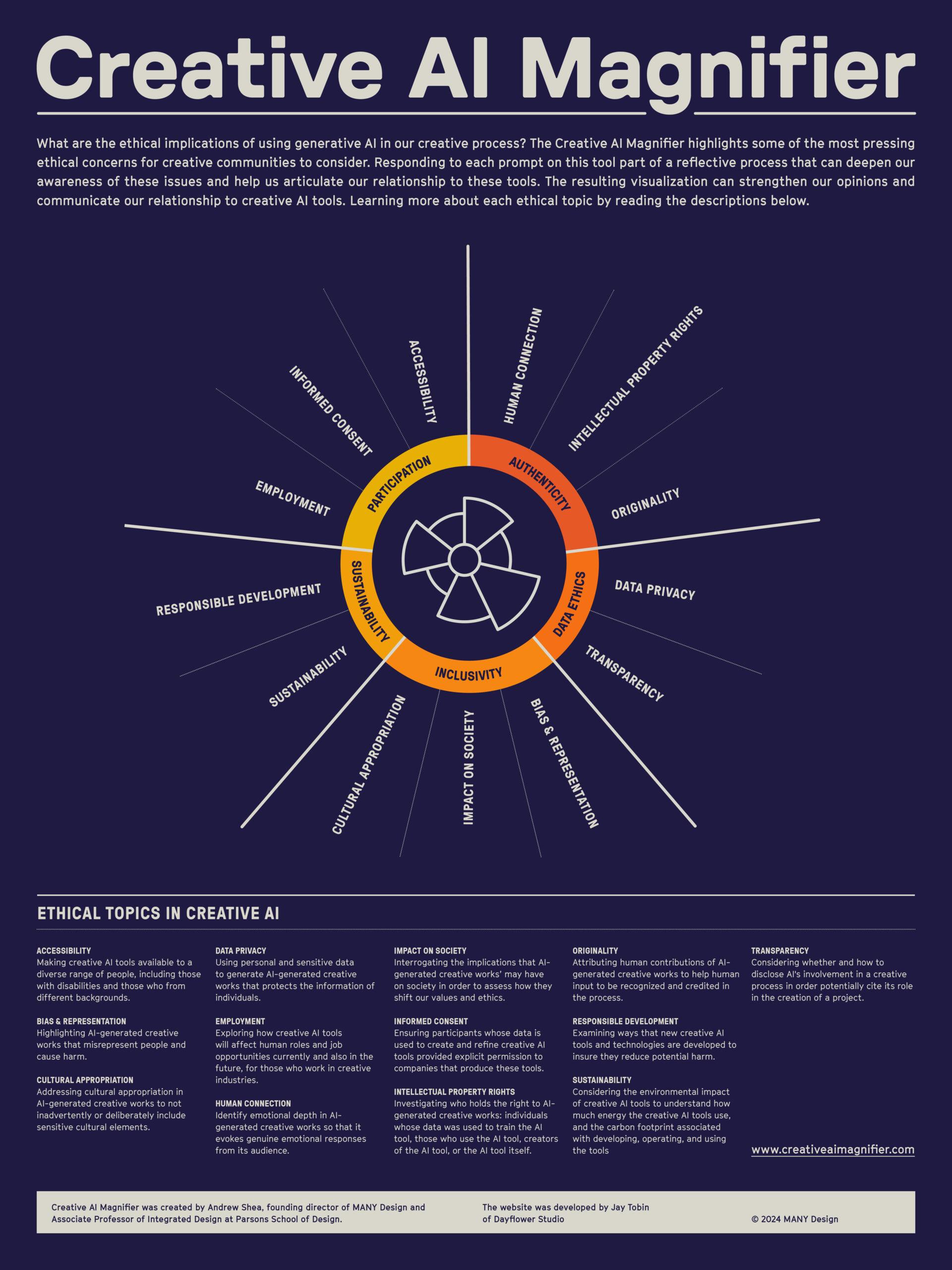
10 Essential Ethical Considerations in AI-Driven learning You Need to Know
Explore the most crucial ethical factors to consider in AI-driven learning environments. Learn how to foster a responsible, fair, and obvious approach to artificial intelligence in education with our extensive guide.
Introduction: Why Ethics Matter in AI-Driven Learning
AI-driven learning technologies, from adaptive learning platforms to intelligent tutoring systems, are transforming modern education. These solutions promise personalized learning pathways,better insights for educators,and efficient administration. however, as artificial intelligence becomes more influential in educational contexts, addressing the ethical considerations in AI-driven learning is essential to ensure trust, fairness, and equity.
In this article, we delve into the top 10 ethical considerations in AI-powered education—essentials you need to know whether you’re an educator, edtech developer, policymaker, or lifelong learner.
1. Data Privacy and Security
AI-powered educational tools collect extensive data about students’ learning patterns, behaviors, and even personal details. Ensuring student data privacy and robust security protocols is a foundational ethical obligation.
- Data Minimization: Collect only what is necessary for learning objectives.
- Security Measures: Implement encryption, secure storage, and regular audits.
- Transparency: Clearly communicate what data is being collected, why, and how it will be used.
Failure to protect personal data can lead to privacy breaches and loss of trust in AI-driven learning environments.
2. Bias and Fairness
Bias in AI algorithms can reinforce existing inequalities if not actively managed. Algorithms trained on skewed or incomplete datasets may unfairly disadvantage certain learners.
- Continuously monitor for algorithmic bias.
- Prioritize diverse and representative training data.
- Provide mechanisms for students and educators to report and address perceived unfairness.
Ethical AI in education should strive toward inclusivity and equitable learning outcomes for all students.
3. Transparency and Explainability
Understanding how AI systems make decisions is crucial. AI transparency in education builds trust among students, teachers, and parents.
- Create clear, understandable documentation for all AI-driven tools.
- Provide explanations for recommendations made by AI, especially in student assessment or personalized learning plans.
If learners or instructors can’t understand AI decisions, accountability and trust are at risk.
4. Consent and Autonomy
Students and their families must have agency regarding their data and interaction with AI-driven systems.
- Ensure informed consent when initiating or updating AI systems in classrooms.
- Offer opt-out options wherever possible.
- Promote student autonomy rather than enforcing passive consumption of AI-curated content.
5. Accountability and Responsibility
Who is accountable when things go wrong with AI-powered educational technology? Defining responsibility for errors, misuses, or unintended outcomes is critical.
- Clear roles for educators, developers, and institutions.
- paths for students and teachers to report and resolve issues.
Shared responsibility ensures all stakeholders work collaboratively toward ethical AI adoption in education.
6. Digital Divide and Accessibility
AI can either bridge or widen the digital divide in education. Consider:
- Ensuring technologies are accessible to students with disabilities.
- Addressing disparities in technology access among communities.
- Designing interfaces and content that accommodate a wide range of learners.
AI developers must factor in universal design principles from the start.
7. Human oversight and Education
AI should support, not replace, human educators. Ethical considerations demand that human oversight is maintained.
- Ensure educators understand and can control AI recommendations.
- Invest in training for staff to interpret and use AI insights responsibly.
The best educational outcomes arise from collaboration between intelligent systems and skilled instructors.
8. Purpose alignment
AI solutions in education must align with pedagogical goals.
- Ask whether AI tools support meaningful learning,not just efficiency or scalability.
- Regularly review the impact of AI systems against intended learning outcomes.
Technology should serve curriculum and learner development—not the other way around.
9. Long-Term Impact on Learning Culture
The pervasive presence of AI in education can shape attitudes, motivation, and the overall culture of learning.
- Monitor for potential over-reliance on automation, which may diminish curiosity or interpersonal skills.
- Encourage critical engagement with AI-generated content.
Ethically mindful implementation considers not just immediate results, but effects on lifelong learning and society.
10.Continuous Evaluation and Enhancement
The ethical landscape of AI in education is dynamic. Responsible stakeholders should:
- Regularly audit AI systems for new risks or unintended consequences.
- actively solicit feedback from users at every level.
- Stay informed about policy changes, emerging research, and best practices in AI ethics.
This proactive mindset leads to safer, more beneficial educational technologies.
Benefits of Addressing Ethical Considerations in AI-Driven Learning
- Builds Stakeholder Trust: Clear ethical standards encourage trust from students, parents, educators, and regulators.
- Promotes Equity: Proactively managing bias and access issues supports fair learning opportunities.
- Improves Outcomes: responsible AI fosters effective, personalized education while minimizing harm.
- Supports compliance: Meeting legal and regulatory standards avoids costly violations and safeguards institutional reputation.
Practical Tips for Implementing Ethical AI in Education
- Develop Comprehensive Ethical Guidelines: Create and publicize clear policies regarding the use of AI in educational settings.
- Engage in Stakeholder Dialogue: Consult students,teachers,families,and external experts throughout system design and implementation.
- Invest in Professional Development: Train educators to effectively and ethically use AI tools in the classroom.
- Monitor and Adjust: Establish regular checkpoints for auditing AI performance,bias,and user satisfaction.
- Foster a Culture of Respect and Responsibility: Encourage open discussion about AI’s capabilities and limitations.
Case Study: AI ethics in Action—Implementing Adaptive Learning Platforms
Example: A school district in california piloted an adaptive learning platform for mathematics. Before launching, the district:
- Held information sessions on privacy, data use, and AI capabilities.
- Gave parents and students clear opt-out provisions.
- Formed an ethics advisory board—including educators, parents, tech experts, and student reps.
- Regularly evaluated platform effectiveness and fairness through both quantitative results and user feedback.
Outcomes:
- Increased trust and satisfaction among all stakeholders.
- Reduced incidents of anxiety or confusion around AI-generated recommendations.
- Fairer distribution of advanced learning opportunities across previously underserved groups.
conclusion: Charting a Responsible Path Forward with AI in Education
AI-driven learning offers tremendous promise for making education more personalized, efficient, and inclusive. However, the transformative power of artificial intelligence comes with profound ethical responsibilities. By prioritizing essential ethical considerations in AI-driven learning—from privacy and fairness to transparency and continuous evaluation—educators and technologists can create learning environments that are not only innovative but also safe, just, and empowering for all students.
Stay proactive.Engage your community. As we chart the future of AI in education, ethics should always lead the way.