
10 Essential Skills every Graphic Designer Needs for Creating impactful Educational content
Are you a creative professional aiming to secure a graphic design role in the dynamic world of education technology? Universities, colleges, and K-12 schools are increasingly investing in digital learning, and the demand for skilled graphic designers in education has never been higher. Whether you’re designing e-learning modules, interactive infographics, or captivating course materials, the ability to make educational content visually appealing and pedagogically effective is crucial.This extensive guide will walk you through the essential skills every graphic designer needs to thrive in educational technology environments and create content that truly makes an impact.
Why Graphic Design Matters in Educational Technology
Effective educational content goes beyond textbook pages and static slides. In today’s digital classrooms, graphic designers play a key role in making complex concepts accessible and facts engaging. From enhancing student comprehension to fostering interaction, your visual solutions can transform the learning experience. That’s why educational institutions value graphic designers who can blend artistry with educational purpose.
10 Essential Skills for Graphic designers Creating Educational Content
Ready to elevate your educational graphic design career? Here are the top ten essential skills to master for success in education technology design roles:
1. Visual Dialog
- Clarity & Simplicity: Deliver clear messages using visual hierarchy, contrast, and institution to guide learners’ eyes.
- Storytelling Through design: Use imagery, color, and layout to create compelling narratives that help students remember complex information.
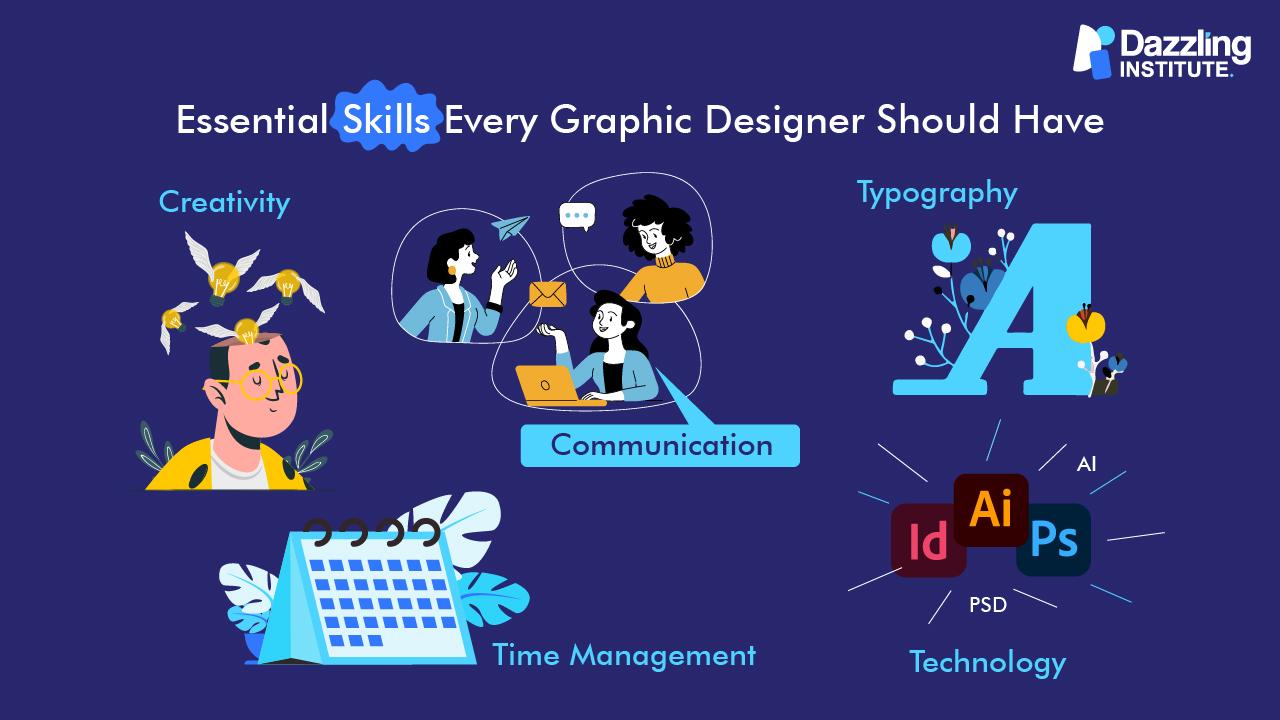
2.Typography Expertise
- Legibility: Choose typefaces that are easy to read, especially for digital and print educational materials.
- Consistency: Establish font guidelines for headings,body text,and emphasis to create a cohesive learning habitat.
3. Color Theory and Accessibility
- Color psychology: select color schemes that evoke the right mood and support cognitive retention.
- Accessibility Standards: apply contrast ratios, avoid color-only indicators, and design with students who have visual impairments in mind.
4. Proficiency with Design Software
- Industry Tools: Master design applications such as Adobe Creative Suite (Photoshop, Illustrator, InDesign), Canva, and Figma.
- Rapid Prototyping: Use prototyping tools to quickly mockup and iterate educational resources.
5. Understanding of Instructional Design principles
- Learning Objectives Alignment: Collaborate with instructional designers to ensure graphics support specific educational goals.
- Cognitive Load Management: Simplify visuals to reduce unnecessary distractions and foster retention.
6. UI/UX Design for Digital Learning
- Interactive Elements: Design buttons, icons, animations, and layouts that invite participation and self-paced exploration.
- User-Centered Approach: Prioritize the needs and abilities of diverse learners, creating intuitive navigation and experiences on course platforms or apps.
7. Adaptability Across Formats
- Multimedia Production: Create and adapt designs for print, video, web, mobile, and interactive whiteboards.
- Responsive Design: Ensure content looks great on screens of all sizes, from desktop monitors to smartphones.
8. Collaboration and Communication
- Teamwork: Work closely with educators, curriculum developers, and IT teams to align design with curriculum and technology needs.
- Constructive feedback: Receive and implement design feedback while effectively communicating your ideas to non-designers.
9. Critical Thinking and Problem-Solving
- Analytical Mindset: Assess project requirements, anticipate learning obstacles, and find creative solutions through design.
- Iterative Process: Test designs, gather learner feedback, and refine visuals to improve educational outcomes.
10. Commitment to lifelong Learning
- staying Current: Keep up with emerging design trends, accessibility standards, and educational technologies.
- Skill Growth: Continuously build technical, creative, and pedagogical skills to meet the evolving needs of educational institutions.
Benefits of Strong Graphic Design Skills in Educational Content Creation
Investing in your graphic design skillset directly impacts student success and satisfaction. Here’s why mastering these skills will make you invaluable in educational technology:
- Enhanced Engagement: Well-designed resources capture and sustain students’ attention, fostering deeper involvement in lessons.
- Improved Learning Outcomes: Clear visuals support better information retention and understanding, especially for visual and kinesthetic learners.
- Increased Accessibility: Accessible design ensures inclusive learning for students with diverse needs, aligning with global design principles.
- Professional Collaboration: Strong communication and teamwork skills enable seamless collaboration with faculty,IT specialists,and curriculum developers.
- Career Advancement: Institutions recognize and reward designers who can bridge creativity with effective teaching, opening doors to senior roles in educational technology.
practical Tips for Aspiring Educational Graphic Designers
Breaking into the education sector as a graphic designer comes with unique challenges and opportunities. Use these practical tips to stand out to hiring managers at universities, colleges, and schools:
- Create an Education-Focused Portfolio: Showcase projects like e-learning modules, infographics, or course branding that demonstrate your ability to explain concepts visually.
- Highlight Collaboration Experience: Emphasize any teamwork you’ve done with educators, multimedia specialists, or learning technologists.
- Showcase Accessibility Compliance: Demonstrate knowledge of WCAG standards and accessible design choices in your work samples.
- Stay Curious About edtech: Learn the tools and platforms most commonly used in education,such as LMS (Learning Management Systems),whiteboard apps,and digital publishing tools.
- Develop Basic Instructional Design Literacy: Familiarize yourself with instructional models (e.g., ADDIE, SAM) and pedagogical best practices to boost your value to curriculum teams.
- Network with Education Professionals: Engage with the education and EdTech community through events, webinars, and social platforms to understand current trends and hiring needs.
Conclusion: Ready to Shape the Future of Learning?
Graphic designers are at the forefront of shaping how knowledge is delivered and absorbed in modern education. By mastering these ten essential skills—from visual storytelling and accessibility to collaboration and lifelong learning—you’ll be poised to create educational content that inspires, engages, and empowers students of all backgrounds. As schools, colleges, and universities continue to innovate in digital learning, the demand for passionate, well-rounded graphic designers in education technology will only grow. Invest in your skills today, and you’ll not only secure rewarding job opportunities but also make a lasting impact on the future of education.
If you’re eager to contribute your creative talents to the world of learning, now is the perfect time to take the next step in your graphic design career in education technology. Good luck!