
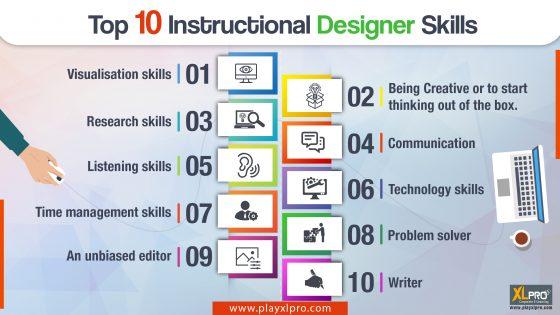
10 Essential Skills Every Instructional design Consultant Should Master
Are you aspiring to land an instructional design consultant role in the rapidly-evolving field of education technology? Universities, colleges, and schools are increasingly seeking professionals with a specialized set of skills to enhance digital learning experiences. Whether you’re just starting out or looking to boost your employability in edtech, mastering these skills is crucial for a successful career in instructional design consulting. In this guide, we’ll walk you through the ten most critically important skills you need to stand out and excel as an instructional design consultant.
Why Instructional Design Consultants Are Vital in Education Technology
Instructional design consultants play a pivotal role in transforming customary education by integrating technology into curriculum, creating engaging e-learning modules, and optimizing teaching methodologies. As universities and schools shift toward hybrid and online learning, the demand for skilled instructional designers continues to grow. by honing the right skills, you can significantly enhance learning outcomes and maximize digital education’s potential.
10 Essential Skills for Instructional Design Consultants
1. Curriculum Development and Pedagogy
Understanding curriculum development principles and pedagogical theories is at the core of any instructional design consultant’s expertise. You must be able to design courses that align with learning objectives, ensure content relevancy, and adapt to diverse learners’ needs.
- Analyze learning requirements and educational standards
- Map out curriculum frameworks for different levels and subjects
- Incorporate scaffolding, differentiated instruction, and best practices in teaching
2. Learning Management Systems (LMS) Proficiency
Familiarity with popular Learning Management Systems such as Canvas, Moodle, Blackboard, and Google Classroom is essential. instructional design consultants must know how to:
- Develop and organize course materials within LMS environments
- Utilize features like quizzes, discussion forums, and progress tracking
- Train faculty and staff to maximize LMS functionality
3. E-Learning Authoring Tools Expertise
Mastering e-learning authoring tools like Articulate Storyline, Adobe Captivate, and Camtasia is crucial for crafting engaging online courses. These tools help instructional design consultants:
- Create interactive modules, simulations, and assessments
- Produce multimedia content (videos, infographics, audio clips)
- Ensure compatibility with various devices and platforms
4. Instructional and visual Design Principles
Combining instructional design with visual design principles ensures materials are attractive, clear, and accessible. Successful consultants should:
- Apply evidence-based instructional models like ADDIE and Bloom’s Taxonomy
- Develop clean, user-kind layouts using principles of color, typography, and spacing
- Incorporate accessibility standards (WCAG) for inclusive learning
5. Assessment and Evaluation Strategies
Measuring learning outcomes and course effectiveness is a core responsibility. Instructional design consultants must be able to:
- Develop formative and summative assessments
- design rubrics and grading criteria
- Use analytics to evaluate course impact and recommend improvements
6. Project Management and Organization
Instructional design projects often involve multiple stakeholders and strict deadlines.Essential project management skills include:
- Scope and timeline development
- Task delegation and workflow management
- Utilizing project management tools like Trello,Asana,or MS Project
7. Collaboration and Interaction
Interpersonal communication is vital for instructional design consultants. You will regularly interact with:
- Faculty, subject matter experts (SMEs), and administrators
- Tech support teams and multimedia producers
- Students and end-users for feedback and usability testing
Effective collaboration ensures successful project implementation and continuous improvement.
8. Change Management and Adaptability
Education technology evolves rapidly; instructional design consultants must stay flexible and open to change.Key capabilities include:
- Adapting to new tools, platforms, and pedagogical models
- Leading faculty through transitions in technology and teaching methods
- Managing resistance and fostering a culture of innovation
9. Data-Driven Decision Making
Using data to inform instructional strategies and course revisions is non-negotiable in modern education technology. Instructional design consultants must be adept at:
- Collecting and interpreting learning analytics (engagement, completion rates, assessments)
- Implementing A/B testing to determine effective approaches
- Reporting outcomes and providing actionable recommendations
10. Continuous Professional Development
The edtech landscape is always changing. Top instructional design consultants dedicate themselves to lifelong learning. That means:
- Participating in professional development, webinars, and certifications
- Staying updated with trends in online learning and technology
- Networking with peers through communities and conferences
Benefits of Mastering Instructional Design Consultant Skills
Developing these essential instructional design consultant skills offers meaningful advantages, such as:
- Increased Job Opportunities: Universities, colleges, and schools prioritize candidates with comprehensive edtech and instructional design prowess.
- Greater Impact: Enhance learning outcomes and student engagement through expertly crafted digital experiences.
- Competitive Salary: Instructional design consultants with strong portfolios frequently enough command higher compensation.
- Career Flexibility: Skills are transferable across K-12, higher education, and corporate training sectors.
Practical Tips to Launch & Advance Your Instructional Design Consultant Career
- Build a diverse portfolio: Include sample e-learning modules, curriculum maps, and project case studies.
- Network strategically: Connect with faculty,edtech leaders,and fellow instructional designers through professional organizations and online communities.
- Seek mentorship: Learn from seasoned consultants to fast-track your skill development.
- Stay updated: Follow industry blogs, attend webinars, and join relevant courses to keep your knowledge current.
- Customize your resume: Highlight skills and tools listed in university or school job postings for instructional design consultants. Tailor your cover letter to showcase your expertise and passion for digital education.
Conclusion
Landing a job as an instructional design consultant in education technology requires more than just passion—it demands a comprehensive skill set that evolves along with the industry. By focusing on these ten essential competencies, you’ll not only become a sought-after professional in universities, colleges, or schools, but also play a transformative role in modern education.Start honing these skills today and position yourself for a rewarding and impactful career in edtech instructional design consulting.