
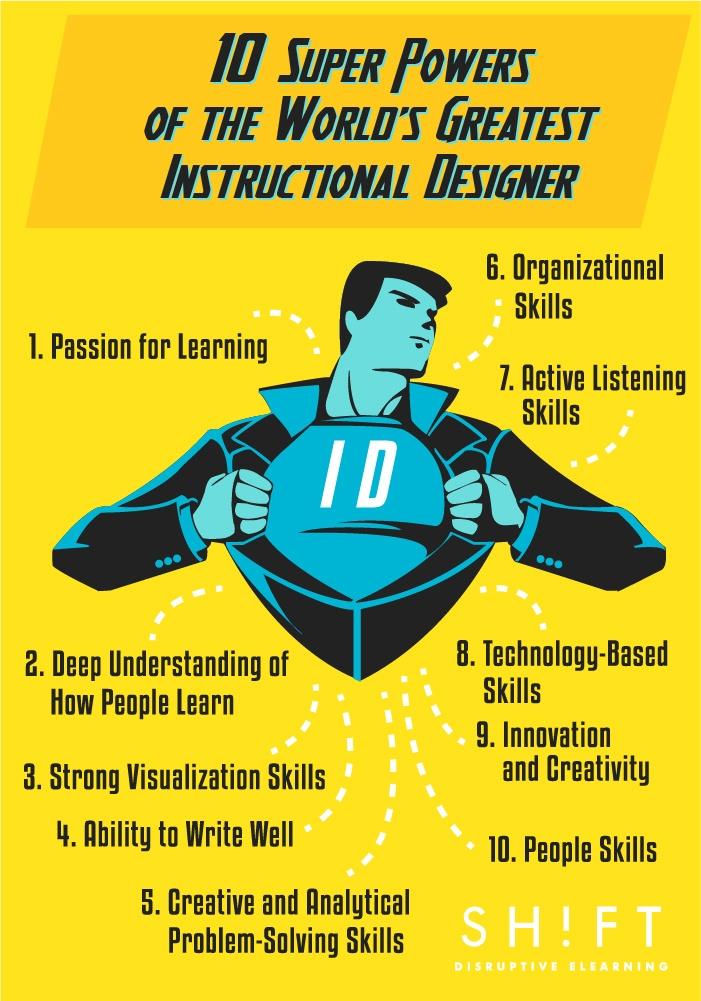
10 Essential Skills Every Successful Instructional Design Consultant Needs
Are you interested in launching a rewarding career as an instructional design consultant within the dynamic field of education technology? Universities, colleges, and schools are increasingly seeking experts who can bridge the gap between innovative learning strategies and the latest digital solutions. Whether you’re just starting or looking to advance your career in EdTech, mastering these essential skills can set you apart in today’s competitive market. In this comprehensive guide, we’ll walk you through the top skills every instructional design consultant needs, along with practical tips and the benefits of developing your professional toolkit.
What is an Instructional Design Consultant?
An instructional design consultant is a specialist who creates and enhances educational experiences by developing effective instructional materials, courses, and digital learning environments. working within universities,colleges,and schools,these consultants blend pedagogy with technology to support engaging and meaningful learning experiences for students and educators alike. As EdTech continues to evolve, so does the role of instructional designers—making them essential contributors to modern education.
Why Skills Matter in education Technology Careers
Education technology is a rapidly changing landscape, with new tools, learning methodologies, and student expectations emerging every year. To thrive as an instructional design consultant in schools, colleges, or universities, you’ll need a diverse set of abilities—combining pedagogical expertise, technical skills, and practical know-how. These skills not only make you more marketable to potential employers but also empower you to create impactful and effective learning solutions.
Benefits of Developing Core Instructional Design consulting Skills
- Enhanced Career Opportunities: stand out in the saturated EdTech job market at universities, colleges, and schools.
- Higher Earning Potential: Specialized skills frequently enough translate to better-paying positions and consulting rates.
- Greater Job Satisfaction: Confidently tackle instructional challenges and contribute to meaningful education reforms.
- Flexibility and Growth: Adapt to new technologies and learning approaches as the field evolves.
10 Essential Skills for Instructional Design Consultants
To succeed in your education technology career,here are the key skills every instructional design consultant should master:
1. Instructional Design and Curriculum Development
A solid grasp of instructional design models such as ADDIE, SAM, and Backward Design is crucial. You must know how to analyze learner needs, develop measurable objectives, organize content logically, and select appropriate instructional strategies. Experience building curriculum for various educational contexts—K12, higher education, or corporate training—will make your expertise highly valuable.
- Knowledge of learning theories (constructivism, behaviorism, cognitivism)
- Ability to scaffold content and differentiate instruction
- Experience with standards-based curriculum design
2. EdTech Literacy and Platform Mastery
instructional design consultants must be proficient with a wide range of education technology tools and platforms. These may include learning management systems (LMS), authoring software (Articulate Storyline, Adobe Captivate), virtual classrooms, and online collaboration tools. staying current with technology trends ensures you can recommend solutions that support learning and engagement.
- Proficient with popular LMS platforms (Canvas, Blackboard, Moodle)
- skilled in multimedia creation and integration (video, audio, interactive)
- Understanding of accessibility technologies and standards (WCAG, Section 508)
3. Project Management
effective project management is essential for delivering instructional design projects on time and within budget. Instructional design consultants frequently enough led cross-functional teams, coordinate with stakeholders, and manage multiple projects simultaneously. Familiarity with project management methodologies (Agile, Waterfall) and tools (Trello, Asana, MS Project) is a significant asset.
- Ability to set goals and create detailed project plans
- Strong organization and time management skills
- Experience tracking milestones and deliverables
4. Assessment and Evaluation Skills
developing effective assessments is basic to instructional design. You should be skilled in creating formative and summative evaluations, learning analytics, and using data to inform design decisions and measure learning outcomes.This ensures that your instructional solutions are evidence-based and lead to real improvement.
- Designing valid and reliable assessments
- Interpreting assessment data to guide instructional refinement
- Using feedback loops for continuous improvement
5. Interaction and Collaboration
Instructional design consultants regularly interact with faculty, administrators, subject-matter experts, and technologists. Clear communication—both written and verbal—is key to understanding needs,presenting ideas,and fostering collaboration. Building strong relationships helps drive project success and stakeholder satisfaction.
- Expertise in facilitating meetings and workshops
- Ability to translate technical jargon into accessible language
- Effective negotiation and conflict resolution skills
6. Creative Problem Solving
Each educational institution presents unique challenges. Successful instructional design consultants leverage creative thinking to develop solutions that address diverse learner profiles,constraints,and technological hurdles. A solution-oriented mindset is critical for overcoming obstacles and optimizing the learning experience.
- Ability to brainstorm innovative instructional approaches
- Flexible adaptation to evolving demands
- Critical thinking for troubleshooting issues
7.User Experience (UX) and Learner-Centered Design
Placing the learner at the center of design decisions leads to more engaging and effective educational experiences. Instructional design consultants should understand the principles of UX—usability, accessibility, navigation, and interactivity—and how they apply to digital learning environments. Personalizing learning experiences increases student motivation and success.
- designing intuitive interfaces and navigation
- Applying accessibility best practices
- Incorporating interactive and multimodal learning elements
8. Data Analysis and Learning Analytics
Leading instructional design consultants are comfortable with data—tracking learning performance,analyzing engagement,and making data-driven decisions. Familiarity with analytics platforms, survey tools, and reporting software allows you to measure the effectiveness of instructional interventions and refine accordingly.
- Monitoring learner progress and engagement
- Analyzing quantitative and qualitative data
- Developing actionable insights for program improvement
9. Change Management and Digital Transformation
Many instructional design projects require consultants to lead organizational change, foster buy-in, and support digital transformation initiatives in education. Understanding best practices in change management ensures you can definately help educators and staff embrace new technologies and instructional models smoothly.
- facilitating professional development and training
- Managing resistance and fostering adoption
- Communicating the value of EdTech solutions
10. Continuous Learning and Professional Development
The education technology sector is fast-paced and constantly evolving. successful instructional design consultants prioritize lifelong learning—keeping up with emerging trends, new tools, best practices, and certifications. Stay active in professional communities, attend conferences, and seek new opportunities for growth.
- Engagement in webinars, courses, and workshops
- Pursuing industry certifications (ATD, ISTE, etc.)
- Active participation in edtech networks and associations
Practical Tips to Enhance Your Instructional Design Consulting Skills
- Build an ePortfolio: Showcase your instructional design projects and EdTech expertise to prospective employers.
- Network with Industry Professionals: Join LinkedIn groups, attend conferences, and engage with online education communities.
- Seek Out Mentorship: Learn from experienced instructional design consultants and educators.
- experiment with New Technologies: Try out emerging tools and platforms to broaden your skillset.
- Solicit Feedback: Regularly gather input from students, educators, and peers to refine your approach.
conclusion
Embarking on a career as an instructional design consultant in education technology offers tremendous potential for growth, creativity, and impact. By cultivating this diverse array of skills—from instructional design and EdTech mastery to data analysis and change management—you can position yourself as a sought-after expert in universities, colleges, and schools worldwide. Remember, the most successful instructional design consultants are those who never stop learning and adapting. So whether you’re just starting out or pursuing your next big role, invest in these essential skills and reap the benefits of shaping the future of education technology.