
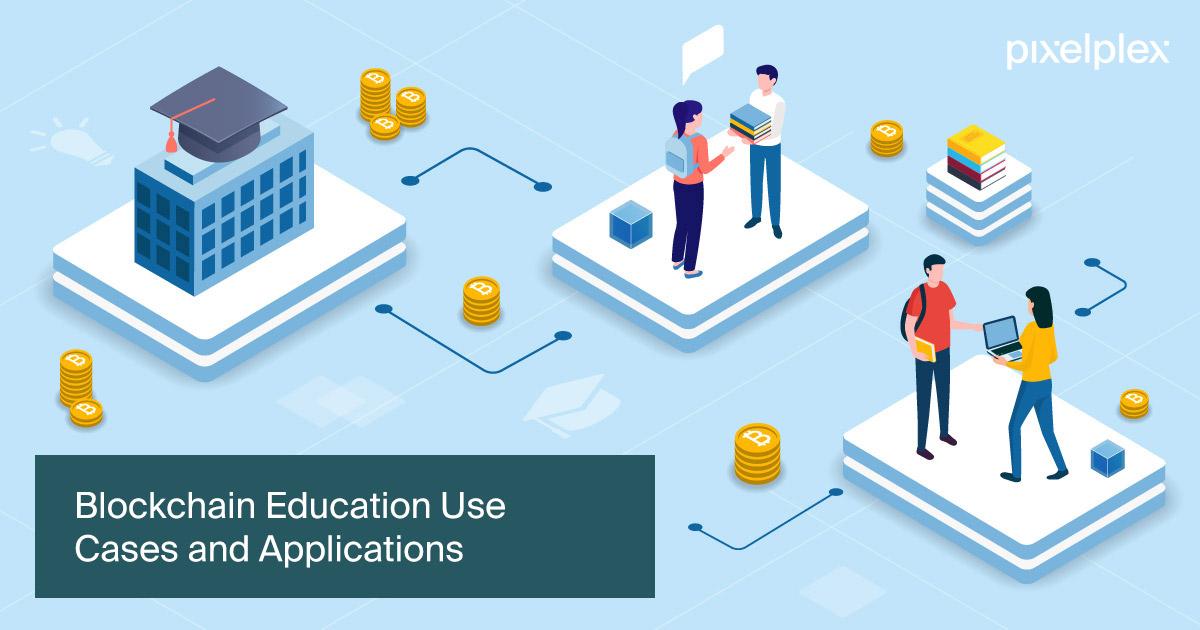
10 Impactful case Studies: How Blockchain Is Transforming Higher Education
Teh integration of blockchain technology in higher education is more than just a futuristic concept—it’s already transforming universities and learning institutions worldwide. From securing academic credentials to revolutionizing research and digital identity management, blockchain offers innovative solutions to longstanding challenges. In this article,we delve into 10 impactful case studies that highlight how blockchain is transforming higher education,providing actionable insights for educational leaders,faculty,and students alike.
Why Blockchain in Higher Education?
Blockchain technology is a decentralized, secure, and transparent ledger system. when applied to higher education, it delivers several benefits:
- Credential Verification: Prevents degree fraud and simplifies verification for employers and institutions.
- Data Security: Safeguards sensitive student records against tampering and unauthorized access.
- Efficiency: Automates processes such as credits transfer and transcript requests, saving time and resources.
- Clarity: Enhanced trust in academic achievements and institutional integrity.
10 Impactful Blockchain Case Studies in Higher Education
1. Massachusetts Institute of Technology (MIT) – Digital Diplomas
MIT pioneered the use of blockchain by issuing digital diplomas to graduates via its Blockcerts platform. Graduates receive cryptographically signed certificates that can be instantly shared with employers. This eliminates fake degrees and reduces verification time from weeks to seconds.
2. University of Nicosia – Blockchain-Powered Credentials
The University of Nicosia in Cyprus became the world’s first institution to offer certified diplomas on the Bitcoin blockchain. Their self-verifiable certificates system allows any party to validate academic records securely and efficiently.
3.Sony Global Education – Blockchain for Academic Records
Sony Global Education, in collaboration with IBM, launched a blockchain-based platform for safely storing and sharing student achievement data. It enables students to carry their academic credentials through multiple educational stages and institutions seamlessly.
4. Holberton School – Transparent Credentials for Coding Bootcamp Graduates
Holberton School leveraged blockchain to provide graduates with tamper-proof certificates. This approach supports their project-based curriculum and streamlines employer verification, boosting trust in graduates’ skills in the competitive tech sector.
5.Open University (UK) – Blockchain for Lifelong Learning
The Open University of the UK has experimented with storing lifelong learning qualifications and micro-credentials on a publicly accessible blockchain, enabling students to build a verifiable portfolio across diverse educational experiences.
6. Malta’s Ministry for Education and Employment – National Blockchain Certification
Malta’s government teamed up with learning Machine to issue blockchain-based secondary and post-secondary school certificates. Students can access their digital certificates throughout their life, simplifying personal and professional transitions.
7. Woolf University – Smart Contracts for academic Management
Woolf University utilizes blockchain-based smart contracts to automate administrative processes, intellectual property rights, and tuition payments. This approach reduces bureaucracy and increases transparency for both students and faculty.
8.Blockcerts Universal Framework – A Global Solution
Blockcerts is an open standard for blockchain credentialing adopted by various universities, including MIT, the University of Melbourne, and others worldwide. This interoperable framework allows students to control and share their educational achievements with universal recognition.
9. Central New Mexico Community College – Blockchain for Workforce Credentials
Central New Mexico Community College (CNM) implemented blockchain-based credentials to issue workforce certificates. Their solution enables real-time validation of skills acquisition, making it easier for employers to verify job applicants’ competencies.
10. National University of Science and Technology (MISiS), Russia – Secure Academic Journals
misis launched a blockchain-powered platform for digital academic publishing. This initiative reduces fraud in academic journals and ensures the authenticity and provenance of published research for the global scientific community.
First-Hand Experiences: Blockchain in Action
“Since receiving my MIT digital diploma,I’ve never had to send physical transcripts again. sharing proof of my degree with employers is speedy, secure, and completely under my control.”
— Jane Lee,MIT Graduate
“Our blockchain degree system lets us focus on students’ lifelong learning,empowering them to showcase and build on their achievements continuously.”
— Prof. John Domingue,Open University
Benefits of Blockchain in Higher Education
- Ensures Academic Integrity: Immutable ledgers prevent document fraud.
- Improves Learner Mobility: Easily transferable records support global educational opportunities.
- reduces Administrative Costs: Automation and secure sharing eliminates paperwork and manual processes.
- Empowers Students: Ownership and control over academic history.
- Boosts Employer Confidence: Trustworthy credentials streamline hiring decisions and background checks.
Practical Tips for Adopting Blockchain in Higher Education
- Start Small: Pilot blockchain credentialing projects with specific departments or short-term courses.
- Engage Stakeholders: Include faculty, students, and employers in planning and feedback processes.
- Partner with experts: Collaborate with blockchain technology providers who understand educational ecosystems.
- Focus on Interoperability: Choose systems compatible with global standards,such as Blockcerts,for wider recognition.
- Address Privacy Concerns: Ensure compliance with data protection laws and build transparent policies.
Conclusion
Blockchain technology is quickly becoming a cornerstone for digital change in higher education. As these 10 impactful case studies demonstrate, from diplomas to academic research, blockchain offers solutions that increase transparency, trust, and efficiency. institutions that embrace blockchain will be better equipped to serve students, educators, and employers in a rapidly evolving digital world. Now is the time for higher education leaders to explore, experiment, and invest in blockchain-powered innovation.
Ready to future-proof your institution? Explore more about blockchain benefits in higher education and start your transformative journey today!