
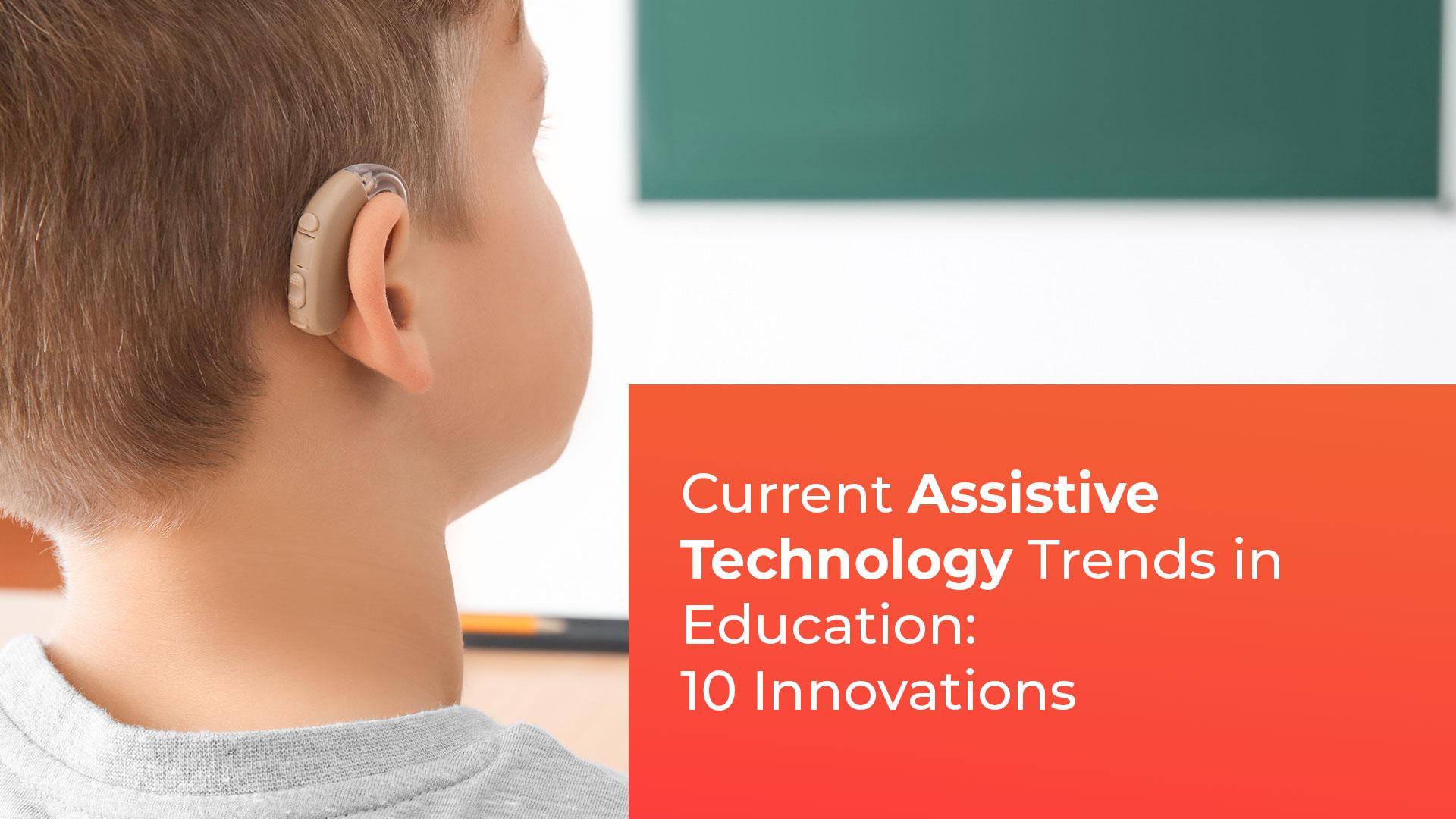
10 Innovative Assistive Technologies Transforming Learning Experiences in 2024
The education landscape is rapidly evolving, and at the heart of this conversion lies the surge in assistive technologies reshaping learning for students of all abilities. As we progress into 2024, advancements in digital tools and adaptive software are breaking down barriers and fostering truly inclusive classrooms. This article delves deep into the top 10 innovative assistive technologies revolutionizing learning experiences this year—paving the way for personalized, accessible, and engaging education.
Why Assistive Technologies Matter in Today’s Classrooms
As teaching methods evolve, so does the need for education that accommodates diverse learning styles, backgrounds, and abilities. Assistive technology in education ensures that students with physical,sensory,or cognitive differences can thrive by providing them with customized support tools. These technologies promote:
- Accessibility: Equal access to curriculum and activities for learners with disabilities.
- Independence: Empowerment to pursue their learning journey at their own pace.
- Engagement: Enhanced participation and motivation in the classroom.
- Personalized learning: Tailored resources that adapt to unique learner needs.
Top 10 Innovative Assistive Technologies in 2024
Let’s explore the leading-edge solutions shaping inclusive learning this year. Each of these technologies brings impactful innovation and proven benefits to modern classrooms.
1. AI-Powered Reading Assistants
Modern AI-driven reading assistants like Microsoft Immersive Reader and Bookshare Reader have refined how students with dyslexia or visual impairments access text. These tools utilize natural language processing to:
- Convert written content into adjustable audio formats.
- Highlight text as it is indeed read aloud for enhanced comprehension.
- Offer real-time vocabulary support and translations.
2.Dynamic Speech-to-Text software
Speech recognition tools such as Dragon NaturallySpeaking and Otter.ai have become more accurate and context-aware. In 2024, they support:
- Real-time note-taking and document creation for students with dysgraphia or physical disabilities.
- Live captioning services in classrooms and virtual lectures.
- Integration with major learning management systems (LMS).
3. Braille E-Readers & Tactile displays
Digital Braille e-readers like the Canute 360 are now more compact and affordable. These devices enable visually impaired students to:
- Access digital textbooks in multi-line Braille displays.
- Take notes and annotate directly in Braille.
- Switch between text, diagrams, and tactile images seamlessly.
4. Augmentative and Alternative Interaction (AAC) Devices
2024’s AAC devices, such as Tobii Dynavox I-Series and Proloquo2Go, have transformed non-verbal communication by introducing:
- AI-driven predictive text for quicker messaging.
- Customizable voice options and regional accents for personalization.
- Eye-tracking control for users with limited mobility.
5. Smart Pen Technology
Livescribe Smartpen and similar products blend conventional notetaking with digital benefits. Students can:
- Record audio during lectures synced with handwritten notes.
- Upload and convert handwriting to editable digital text.
- Highlight or revisit specific segments for efficient revision.
6. Adaptive Learning Software
Platforms such as Khan Academy and DreamBox Learning now harness AI algorithms to assess a learner’s strengths and weaknesses and automatically adjust curriculum content,providing:
- Gamified lessons that suit individual proficiency levels.
- Actionable feedback that guides students (and teachers) in real-time.
- Accessibility features for students with diverse abilities.
7. Captioned & Signed Video Content
With an ever-increasing focus on accessibility, educational platforms like Edpuzzle and YouTube now mainstream auto-captioning, subtitling, and sign language video overlays to support:
- Deaf and hard-of-hearing students’ full participation in multimedia learning.
- Global classrooms with multilingual subtitle capabilities.
- Simplified content comprehension for visual learners.
8. Wearable Assistive Technology
Smart wearables—such as the OrCam MyEye and Apple Vision Pro—are entering classrooms, offering:
- Real-time object and text recognition for visually impaired students.
- Gesture-guided learning and hands-free navigation.
- Advanced auditory feedback and environmental awareness cues.
9. Virtual Reality (VR) & Augmented Reality (AR) Solutions
Immersive experiences with tools like ClassVR and Microsoft HoloLens allow students with special educational needs to:
- Explore complex STEM concepts in a multisensory habitat.
- Participate in social or life skills training within realistic simulations.
- Access digital resources tailored for cognitive diversity.
10. Personalized Learning Analytics Dashboards
Data-driven dashboards on platforms like Canvas and Schoology empower educators and learners by:
- Tracking learning progress against IEP (Individualized education Program) goals.
- Flagging areas where additional interventions may be necessary.
- Offering visual summaries to support self-driven improvement.
Benefits and Practical Tips For Implementing Assistive Technology
Integrating assistive technology into everyday learning brings tangible benefits:
- Improved academic performance—students overcome traditional barriers and engage with content at their level.
- Greater student autonomy—assistive tools foster confidence and reduce reliance on one-to-one support.
- Enhanced teacher capabilities—educators can individualize instruction with actionable insights from tech platforms.
Tips for accomplished integration:
- Start with a clear assessment of student needs and abilities.
- Offer training sessions for both staff and students.
- Encourage ongoing feedback to adapt tools as needs evolve.
- Invest in universally designed solutions benefiting all learners, not just those with identified disabilities.
Case Study: Empowering Learning with AI-Powered Reading Assistants
Consider a mid-sized public school in Chicago that introduced AI reading assistants in it’s classrooms in early 2024. By deploying Microsoft Immersive Reader for students with learning differences, teachers reported a 35% improvement in reading comprehension scores and a dramatic increase in student engagement within six months. Educators highlighted not only academic gains but an uplift in classroom participation and overall student confidence.
Voices From the Classroom: Firsthand Experiences
“Using speech-to-text software, I can finally get my thoughts onto paper as quickly as I think them.It’s been a game-changer for my assignments and self-esteem.”
— Jamie, high school student with dysgraphia
“Our students are more motivated than ever. The instant feedback and adaptive lessons from our math software have made individualized instruction so much easier.”
— Ms.Rodriguez, special education teacher
conclusion: The Future of Inclusive Education is Here
Assistive technology is no longer a mere support tool—it is indeed a cornerstone of modern, inclusive education. The 10 innovative assistive technologies transforming learning in 2024 are ensuring every student—irrespective of ability or background—has the tools to succeed. By embracing advancements like AI-driven software, smart devices, and immersive learning, schools pave the way for a future where accessible, personalized, and equitable education becomes the norm. As educators, parents, and students, staying informed about these innovations—and how best to integrate them—will ensure we build a learning environment where everyone can thrive.
Ready to transform your classroom? Explore these assistive technologies today and create a more inclusive, dynamic learning experience for all!