
10 Proven Strategies for Designing Effective Microlearning Modules
Microlearning has become an essential approach for modern training and eLearning, offering speedy, focused learning experiences that match today’s fast-paced work environments. But, creating truly effective microlearning modules requires more than just condensing content; it demands strategic design that maximizes engagement, retention, and performance.In this article, we’ll explore 10 proven strategies for designing effective microlearning modules, along with their benefits, practical tips, and real-world examples to elevate your microlearning design skills.
Table of Contents
- Introduction to Microlearning
- Key Benefits of Microlearning
- 10 Proven Strategies for Effective Microlearning Design
- Practical Tips for Microlearning Success
- Case Studies: Microlearning in Action
- Conclusion
Introduction to Microlearning
Microlearning delivers content in small, bite-sized chunks that are easy to digest, usually lasting between 3 to 7 minutes per module. It caters to today’s learners—busy, on-the-go, and often distracted—by focusing on single learning objectives, improving retention and boosting engagement. To unlock the full potential of microlearning, you must design your modules intentionally and strategically.
Key Benefits of Microlearning
- Increased Engagement: Short, targeted content matches attention spans and encourages regular interactions.
- Higher Retention: Focused, “just-in-time” microlearning modules reinforce learning and improve knowledge retention.
- Flexible and Accessible: Learners can consume content anytime, anywhere, on any device.
- Cost-Effective: Fewer resources are needed to develop and update modular content.
- Personalized Learning Paths: Microlearning enables the creation of adaptive and personalized experiences.
Understanding these benefits sets the stage for applying effective microlearning design strategies.
10 Proven Strategies for Designing Effective Microlearning Modules
1.Define Clear Learning Objectives
Start by establishing a single,focused objective for each microlearning module. Clear objectives ensure the content is relevant and allows learners to easily understand what they’ll achieve.Use actionable verbs and keep the objective tightly scoped.
2. Chunk Content into Bite-Sized Pieces
Break down larger topics into smaller, manageable pieces of details. Each module should deliver one core idea or skill. This prevents cognitive overload and makes learning feel effortless.
3. Embrace Visual and Multimedia Elements
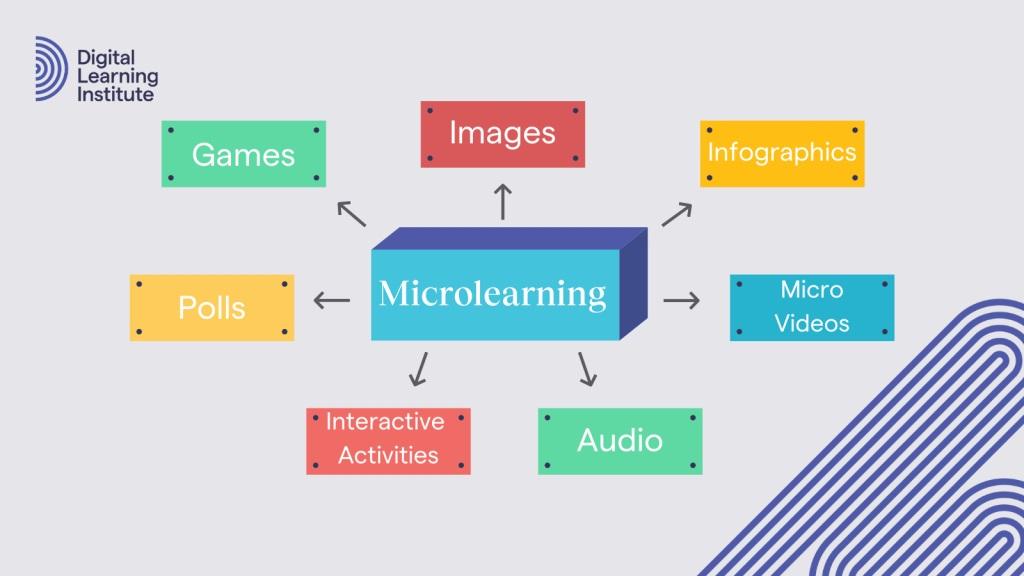
Effective microlearning modules often use images, infographics, short videos, interactive scenarios, and animations.visuals not only boost engagement but also reinforce key concepts, making content more memorable.
4. Design for Mobile Devices First
Microlearning is frequently consumed on smartphones and tablets. Use responsive design principles and test your modules across various devices for a seamless learning experience. Keep text concise, font sizes large, and navigation simple.
5. Leverage Interactivity for Engagement
Include interactive elements such as quizzes, drag-and-drop activities, clickable hotspots, and flashcards. Interactivity drives participation, enhances memory retrieval, and makes learning fun.
6. Prioritize Real-World Relevance
ensure each module delivers immediate, actionable value to learners. Use real-life scenarios, practical examples, and case studies relevant to the learner’s work surroundings for maximum impact.
7. Apply Just-in-Time Delivery
Microlearning is most effective when available at the moment of need. Integrate modules with workflows and provide quick access to learning resources for task-specific performance support.
8. Use Consistent Design and Branding
Maintain a uniform look and feel across microlearning modules using a consistent color palette, typography, icons, and branding. Consistency aids navigation and reinforces your institution’s brand identity.
9. Employ Micro-assessment Techniques
Incorporate short, formative assessments like polls, knowledge checks, or scenario-based questions at the end of each module to reinforce learning, check progress, and provide immediate feedback.
10. Collect and Act on Learner Feedback
Solicit feedback from learners through quick surveys, ratings, or open comments.Use this data to refine existing modules, identify new topics, and continuously improve your microlearning strategy.
Practical Tips for Microlearning Success
Tip: Use a storyboard template to plan the structure and flow of each microlearning module before progress begins. This saves time and ensures alignment with your learning objectives.
- Keep videos under 3 minutes. Use subtitles for accessibility and silent environments.
- Write clear, conversational copy. Avoid jargon and unnecessary complexity.
- Include progress indicators so learners know how much is left.
- Integrate microlearning into Learning Management Systems (LMS) for easy tracking and reporting.
- Group related microlearning modules into learning paths or playlists for broader skill development.
Case Studies: Microlearning in Action
Case Study 1: Retail Onboarding Success
A global retail company replaced lengthy onboarding workshops with a series of 5-minute microlearning modules, each focused on a core skill (e.g., using point-of-sale systems, customer greeting techniques). The result? A 40% increase in knowledge retention and 30% reduction in onboarding time, as measured by post-training assessments and feedback.
Case Study 2: Compliance Training at Scale
A healthcare provider adopted microlearning for annual compliance refresher courses. Short scenario-based modules were delivered via mobile devices. Learner completion rates jumped to 95%, and incident reports for non-compliance dropped noticeably over the next quarter.
Case Study 3: Microlearning for Software Updates
Technology firm XYZ deployed microlearning modules to teach employees about new software features. Modular videos and quick tips allowed learners to access training exactly when needed, resulting in faster adoption rates and higher user satisfaction scores.
Conclusion
Effective microlearning module design isn’t just about brevity—it’s about purpose, strategy, and user experience. By implementing these 10 proven strategies for designing effective microlearning modules, you’ll create engaging and impactful learning experiences that drive real results. Remember to keep learners at the center of your design efforts, iterate based on feedback, and never lose sight of your learning objectives.
Ready to enhance your training programs? Start applying these microlearning strategies today and watch learner engagement, retention, and performance soar!
Looking for more insights on eLearning, instructional design, and workplace learning strategies? Subscribe to our blog and stay up-to-date with the latest trends in microlearning and digital training solutions.