
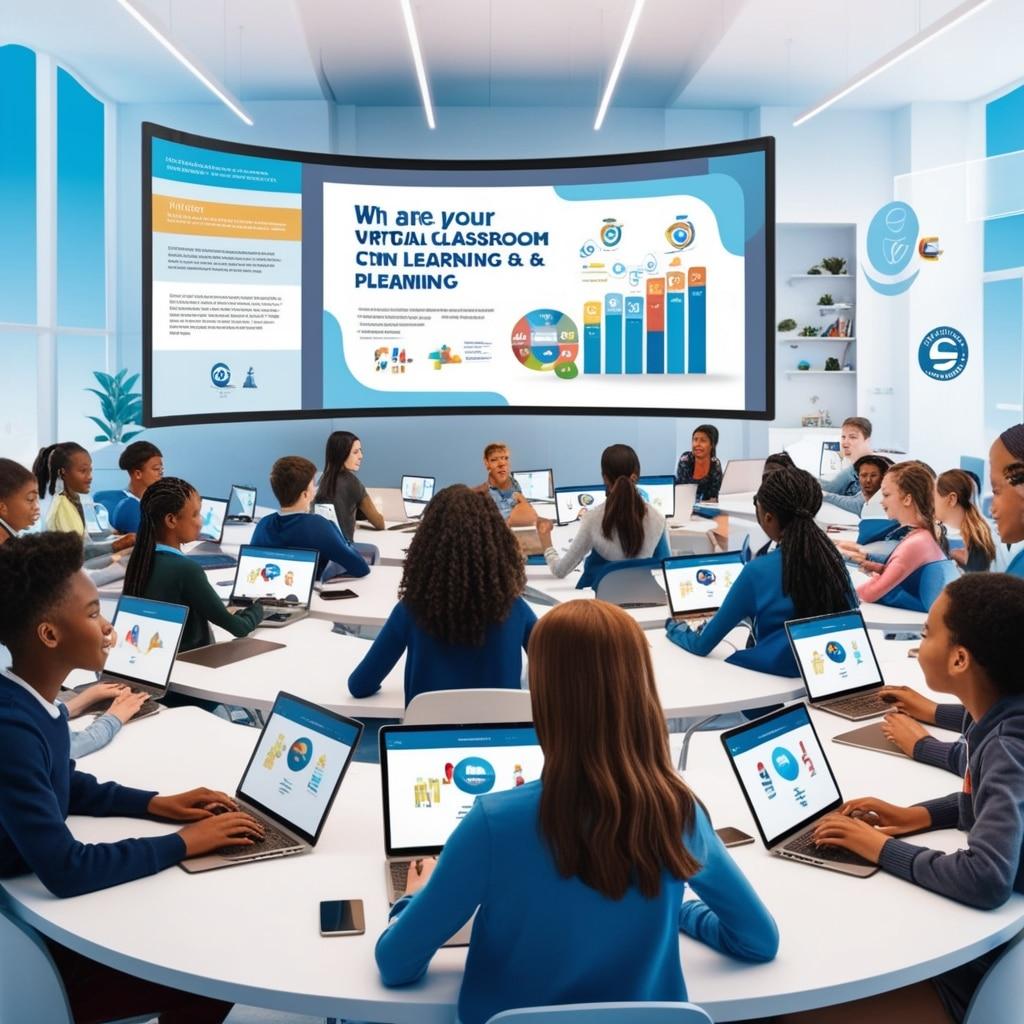
10 proven Strategies for Effective remote Teaching: Boost online classroom Success
Remote teaching has become an integral part of modern education. With technological advancements and shifting global circumstances, teachers are increasingly required to deliver high-quality instruction outside the physical classroom. Weather you’re a seasoned online educator or just starting out, mastering proven remote teaching strategies can revolutionize the way your students learn and engage. In this comprehensive guide, we’ll explore 10 evidence-based techniques to help you boost online classroom success, foster meaningful connections, and create a thriving virtual learning environment.
Table of Contents
- Benefits of Remote Teaching
- 10 Strategies for Effective Remote Teaching
- Practical Tips for Online Teaching Success
- Case Study: Remote Teaching In Action
- Conclusion
Benefits of Remote Teaching
Before diving into strategies, let’s address why remote teaching matters and how it can be a win-win for both educators and learners:
- Adaptability: Students and teachers can access learning materials anytime, anywhere, accommodating diverse schedules and needs.
- Personalization: Digital tools enable customization of instruction, catering to different learning styles.
- Resource Expansion: Rich multimedia content, apps, and global guest speakers can easily be integrated.
- Skill Development: Encourages digital literacy, self-motivation, and independent learning, preparing students for the future.
10 Strategies for Effective Remote Teaching
Maximizing engagement and learning outcomes in a virtual classroom requires careful planning. These proven remote teaching strategies can empower you to deliver content effectively and nurture strong student connections.
-
Start With Clear Expectations
set the tone early with detailed guidelines about coursework, deadlines, dialogue channels, and virtual classroom etiquette. Use a welcome video or an FAQ page on your LMS. When students know what’s expected, participation and accountability increase.
-
Foster Strong Communication
Effective communication is at the heart of any successful remote classroom. Use a combination of synchronous (live video) and asynchronous (email, forums, recorded videos) methods. Be prompt in responding to questions and provide regular updates.
-
Leverage Interactive Tools
Keep students engaged using interactive platforms such as Zoom polls, Google jamboard, Padlet, or Kahoot! to encourage active participation. Breakout rooms, group projects, and virtual office hours can replicate face-to-face collaboration.
-
Diversify Lesson Formats
Avoid “talking head” fatigue! Mix up your lessons with slideshows, videos, animations, podcasts, and writen guides. Visuals and multimedia content appeal to different learners and make abstract concepts concrete.
-
Prioritize Student Engagement
Pose open-ended questions, encourage peer feedback, and offer digital badges or rewards for participation. anonymous surveys and regular check-ins can help you measure engagement and address concerns early.
-
Incorporate Formative Assessments
Use quizzes, polls, reflection journals, or short video submissions to evaluate student progress regularly—not just at the end of the term. Immediate feedback helps learners stay on track and improves retention.
-
support Accessibility and Inclusivity
Ensure all resources are accessible. Provide captions for videos,readable fonts,and alternative text for images. Foster an inclusive remote classroom by accommodating various learning needs and backgrounds.
-
Encourage Collaboration and Community
Build a sense of belonging with group projects, peer reviews, and discussion forums. Virtual “icebreakers” and non-academic chats can help students form genuine connections despite the distance.
-
Utilize Data and Analytics
Most Learning Management Systems (LMS) provide valuable analytics on student engagement and progress. Use these insights to tailor content, identify struggling learners, and celebrate successes.
-
Invest in Your Professional Development
Stay updated with the latest remote teaching technology and best practices by attending webinars, joining online educator communities, and experimenting with new tools. Continuous learning supports your growth and benefits your students.
Practical Tips for Online Teaching Success
“Remote teaching isn’t just about moving content online—it’s about rethinking how we connect, inspire, and support our students in a digital world.”
- Set up a dedicated workspace: Maintain professionalism and minimize distractions.
- Over-communicate: Assume students may miss instructions—repeat significant messages on multiple channels.
- Use calendar invites: Help students track deadlines and class events.
- Record sessions: Cater to students in different time zones or those who need to rewatch lessons.
- Be patient and flexible: Technology hiccups happen. Show empathy and adaptability if issues arise.
- Solicit feedback regularly: Brief surveys or open discussions let students voice their needs and experiences.
Case study: Remote Teaching In Action
Meet Ms. Linda, a high school English teacher who faced major challenges transitioning online. Initially, she saw low attendance and passive engagement. By implementing interactive lesson tools, setting up weekly office hours, and celebrating small wins, Ms.Linda transformed her online classroom.Attendance grew by 40%, students submitted higher-quality assignments, and participation increased. Her experience underscores the value of flexibility, creativity, and persistence in remote teaching.
Conclusion
Remote teaching, while challenging, opens up exciting new avenues for student engagement and lifelong learning. By implementing these 10 proven strategies for effective remote teaching, you’ll be well-equipped to create dynamic, inclusive, and high-achieving online classrooms.Remember,the most successful remote educators are those who continue to adapt,innovate,and put student needs first.Your commitment can spark confidence and a love of learning that lasts a lifetime.
Ready to take your online teaching to the next level? Start applying these strategies today,and watch your virtual classroom thrive!