
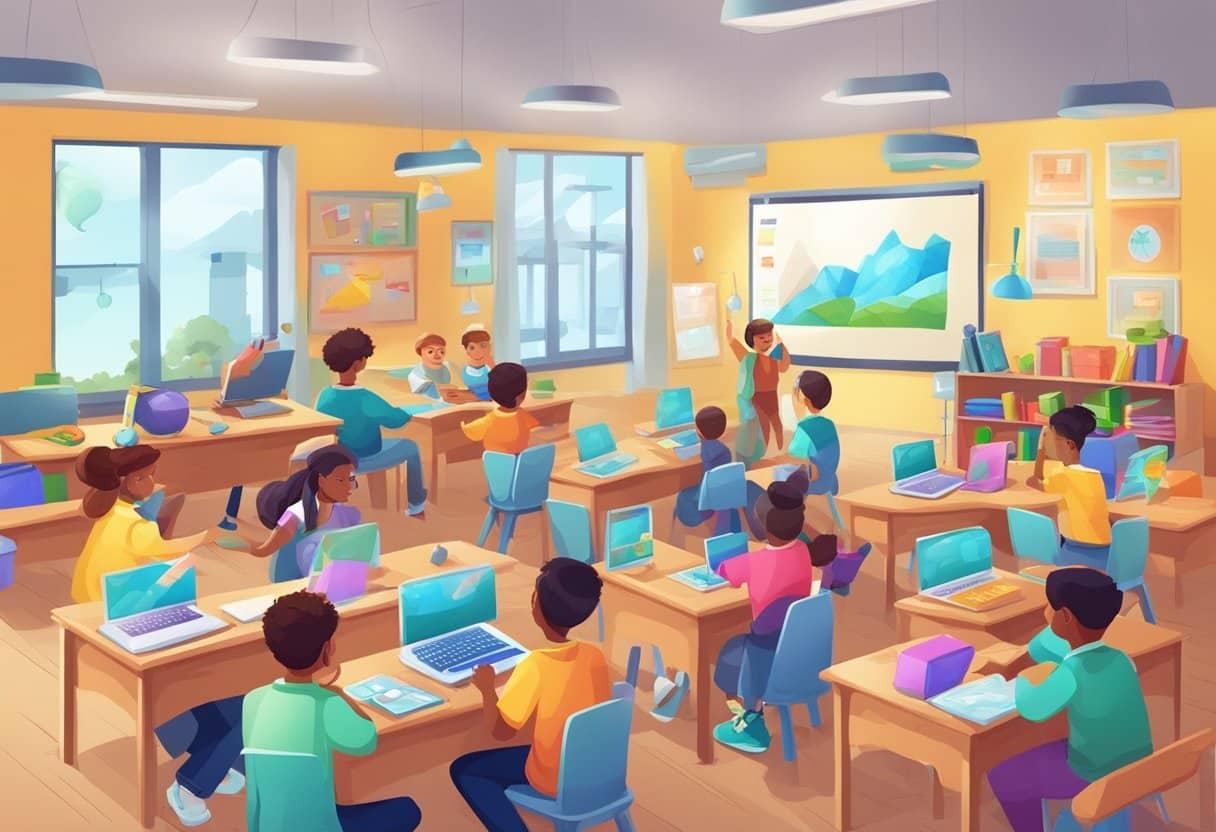
10 Proven Strategies for Effective Remote Teaching: Enhance Engagement & Learning Online
As the digital era continues to transform education,mastering effective remote teaching has become essential for educators worldwide. Whether you’re a veteran educator or new to online instruction, harnessing proven strategies for virtual classrooms improves both student engagement and learning outcomes. In this thorough guide, we reveal 10 proven strategies for effective remote teaching—designed to help you connect, inspire, and empower yoru students online.
Why Remote Teaching Strategies Matter
Effective remote teaching is about more than just moving lessons online—it’s about leveraging digital tools to foster meaningful, interactive, and impactful learning experiences.With thoughtfully curated approaches, educators can overcome common challenges such as decreased engagement, limited interaction, and digital fatigue.
- Increase student motivation and participation
- Enhance information retention and comprehension
- Facilitate inclusivity and accessibility
- Create a supportive virtual classroom surroundings
10 Proven Strategies for Effective Remote Teaching
1. Foster Strong Interaction Channels
Open and consistent communication is the cornerstone of successful online teaching. Establish multiple ways for students to reach you—email, discussion boards, chat apps, or video calls.Regular check-ins and feedback sessions foster trust and keep everyone aligned.
- Send weekly updates outlining objectives and deadlines
- Set virtual office hours for real-time interactions
- Utilize platforms like Slack, Microsoft Teams, or Google Classroom
2. Create Interactive & Multimodal Lessons
Engagement skyrockets when lessons cater to diverse learning styles. Incorporate multimedia elements such as videos, infographics, podcasts, and interactive quizzes to keep content fresh and captivating.
- Embed YouTube videos for visual learners
- Use podcasts and audio clips for auditory learners
- Integrate live polls or Kahoot! quizzes to encourage participation
3. Leverage Breakout Rooms & Collaborative Work
Breakout rooms in platforms like Zoom and Microsoft Teams allow students to collaborate in small groups.Use these for discussions,peer reviews,or group projects,nurturing a sense of community and peer learning.
- Assign clear objectives for each breakout session
- Encourage students to rotate roles (note-taker, presenter, facilitator)
- Monitor groups and provide real-time support
4. Personalize Learning Paths
Differentiated instruction is vital in remote teaching. Offer personalized resources, adaptive assessments, and flexible pacing to accommodate various learning speeds and interests.
- Provide optional enrichment activities for advanced learners
- offer extra support and scaffolding where needed
- Utilize learning management systems (LMS) for tailored course modules
5. Set Clear Expectations & Consistent Routines
Clear guidance reduces anxiety and confusion in the virtual classroom. Communicate your expectations regarding participation, assignments, deadlines, and online etiquette from the very beginning.
- Share a digital syllabus outlining policies
- Set deadlines using the LMS’s calendar
- Remind students of routines and expectations during each class meeting
6. Make Use of Assessment for Learning
Incorporate frequent formative assessments—like exit tickets, quizzes, and reflections—to gauge understanding and adjust your instruction accordingly. Give timely, actionable feedback to guide betterment.
- Leverage Google Forms for rapid assessments
- Provide feedback through audio or video comments
- Encourage self- and peer-assessment for deeper reflection
7. Encourage Active Participation
combat passive learning by requiring students to take active roles during sessions. Integrate discussions, Q&A sessions, and collaborative writing tasks to boost involvement.
- Assign students to lead discussions or online forums
- Use real-time polling tools to collect instant input
- Include think-pair-share activities in virtual meetings
8. Support Social-Emotional Learning (SEL)
Students face emotional and social challenges in remote settings. Make time for virtual ice-breakers, well-being check-ins, and community-building exercises to nurture a supportive environment.
- Start each class with a short mindfulness activity
- Hold open forums for sharing experiences and concerns
- Celebrate student milestones and achievements virtually
9. Maximize the Use of Online Tools and Resources
Effective remote teaching relies on robust digital tools. Use educational technology wisely—balancing functionality with simplicity to avoid overwhelming students.
- Integrate trusted apps like Padlet, Edpuzzle, and Flipgrid
- Use screen recording software for asynchronous lessons
- Offer tutorials or guides for using new tools
10. Reflect and Adapt continuously
Effective online teaching is an evolving practise. Gather feedback from students regularly,reflect on what works,and be willing to adapt your approach.
- Distribute anonymous surveys after each unit or module
- Participate in professional development for remote teaching
- Stay updated on new edtech trends and resources
Benefits of Implementing Proven Remote Teaching Strategies
When you actively apply these remote teaching strategies, you pave the way for:
- Increased student engagement through dynamic, interactive learning
- Improved learning outcomes as lessons address various needs and preferences
- Greater time management for both instructors and learners
- Enhanced digital literacy thanks to exposure to diverse online tools
- Inclusive online classrooms that support students of all backgrounds
Practical Tips for Remote Teaching Success
- Test technology before class to prevent disruptions
- Keep backup activities ready for technical difficulties
- Break complex instructions into clear, manageable steps
- Encourage camera use but respect student privacy concerns
- Record sessions for students who might need to revisit material
Case Study: real-World Remote Teaching Success
Consider the experience of Ms. Smith, a high school biology teacher who moved her classes online. By integrating interactive simulations, scheduling regular breakout sessions, and offering flexible assessment options, she reported a 30% increase in student participation and a notable improvement in test scores after a single semester.Her approach exemplifies how proven strategies for effective remote teaching can transform virtual learning environments.
First-Hand Insights from Educators
Many educators emphasize the importance of flexibility and empathy. Mr.Lee, a university lecturer, shares: “adapting my teaching style and regularly seeking student feedback has helped me maintain a vibrant virtual classroom. It’s about meeting students where thay are online.” This adaptability is at the heart of remote teaching excellence.
Conclusion: Elevate Your Remote Teaching with Proven Strategies
Effective remote teaching is both an art and a science.By embracing these 10 proven strategies for remote teaching, educators can overcome virtual classroom challenges, enhance student engagement, and boost learning outcomes. remember—continuous reflection,a willingness to adapt,and a student-centered approach are your greatest assets on the journey to online teaching success.
Start implementing these strategies today to transform your remote teaching experience and inspire your students—no matter where they are.