
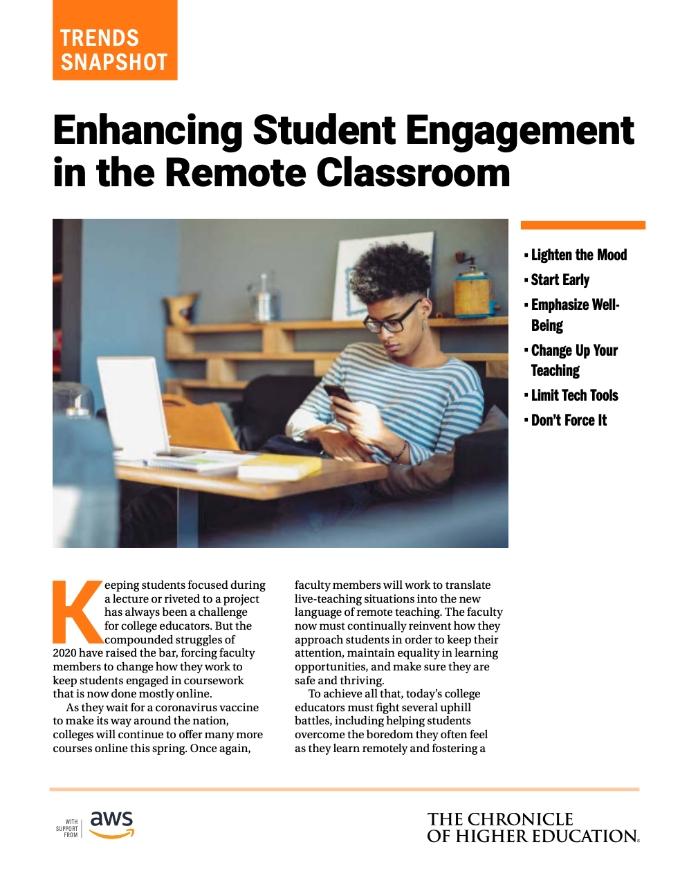
10 Proven Strategies for Effective Remote Teaching: Enhance Student Engagement Online
Remote teaching has become an essential mode of education, requiring educators to adapt quickly and effectively. Ensuring consistent student engagement in online learning environments can be challenging, but with the right strategies, educators can boost understanding, participation, and overall academic success. In this guide, we’ll explore ten proven strategies for effective remote teaching that will help you enhance student engagement online and cultivate a dynamic virtual classroom.
The Rise and Benefits of Remote Teaching
The transition to online teaching brought with it new possibilities.Remote teaching allows for greater flexibility,innovative teaching methods,and access to a wider range of resources. However, educators often face challenges such as lack of student motivation, limited feedback, and difficulty in replicating in-person classroom dynamics. Implementing targeted strategies can transform these challenges into opportunities for effective online education.
key Benefits of Remote Teaching
- Accessibility for students in diverse geographic locations
- Flexible scheduling, supporting varied learning paces
- Individualized learning options and resources
- Integration of multimedia and technology to enhance learning
10 Proven Strategies for Enhancing Student Engagement Online
1. Set Clear Expectations and Interaction Guidelines
Establishing clear expectations helps students understand course structure and requirements. Use the first lesson to outline:
- Attendance policies and participation criteria
- Assignment deadlines and submission protocols
- Preferred communication channels (e.g.,email,learning management systems,video meetings)
- Response times for queries and feedback
This clarity fosters a structured online learning environment,minimizing confusion and anxiety.
2. Leverage Interactive Tools
Remote teaching can be made lively and interactive with the use of digital tools. Consider:
- Live polls: Platforms like Mentimeter or Slido allow real-time polling to gauge understanding.
- Quizzes: Use Google Forms or Kahoot! for fast knowledge checks.
- Collaborative documents: Google Docs enable group work and peer feedback.
- Breakout rooms: Zoom or Microsoft Teams facilitate small group discussions for deeper learning.
These tools boost participation and help break the monotony of static online sessions.
3. Foster a Sense of community
building a collaborative environment encourages engagement. Create activities that promote peer interaction:
- Ice-breaker sessions at the beginning of the course
- Discussion boards for ongoing conversations
- Peer review assignments
- Virtual study groups
Feeling connected helps students stay motivated, reducing isolation and promoting shared learning.
4. Use Real-World Examples and Case Studies
Link lessons to real-life scenarios to increase relevance and student interest. Such as:
- Current events related to course content
- Industry-specific case studies
- Guest speakers from relevant fields
Contextual learning encourages critical thinking and makes material memorable.
5.Incorporate Multimedia and Varied Content Formats
Diversifying content delivery engages different learning styles. Utilize:
- Videos and podcasts for auditory and visual learners
- Infographics to visualize data and concepts
- Interactive simulations for practical understanding
This approach makes lessons captivating and aids retention.
6. Provide Timely and Constructive Feedback
Regular, actionable feedback helps students improve and stay engaged.use:
- Individual feedback on assignments
- weekly progress updates
- Automated quiz feedback for instant insights
Timely responses show students that their contributions matter, boosting commitment.
7. Encourage Self-Assessment and reflection
empower students to monitor their own progress. Techniques include:
- Self-assessment checklists
- Reflective journals or blog posts
- Goal-setting at the start of modules
Such activities promote lifelong learning skills and independence.
8. Facilitate Active Learning with Projects and Hands-On Activities
Active learning increases engagement by involving students directly in the process.Design activities such as:
- Group research projects
- Online presentations or debates
- Virtual laboratory experiments or coding assignments
Hands-on approaches deepen understanding and knowledge application.
9. Make Use of Gamification Techniques
Integrate elements of game-based learning to motivate and engage students. Examples include:
- Badges and leaderboards for achievements
- Progress tracking dashboards
- Challenge-based learning tasks
Gamification creates a sense of accomplishment and amiable competition.
10. Adapt and Personalize Instruction
Personalizing learning pathways helps address individual student needs. Use:
- Adaptive learning platforms
- flexible assignment options
- Personal check-ins via email or chat
Customizing content makes students feel valued and increases their willingness to participate.
Practical Tips for Effective Online Teaching
- Maintain a consistent schedule: Predictable timing helps students plan and balance responsibilities.
- Keep resources organized: Clear folders and learning modules make navigation easy on any LMS.
- Be accessible: Offer virtual office hours for additional support and guidance.
- Solicit student feedback: Regular surveys can help tailor instruction and improve the course experience.
Case Study: Real-World Remote Teaching Success
Ms. Carter, a high school science teacher, transitioned to remote teaching in 2020. Faced with disengaged students, she implemented active learning projects and regular feedback sessions. By using breakout rooms for collaborative experiments and integrating real-world environmental case studies, her online classes became highly participatory. Attendance improved by 35%, and student performance scores rose significantly.
Ms. Carter’s experience underscores the value of intentional instructional design and responsive teaching strategies in the virtual classroom.
First-hand Experience: Educator Insights
“Remote teaching requires flexibility and creativity. By actively involving students through interactive content and personalized feedback, I’ve seen noticeable growth in both engagement and achievement levels. The key? Listen, adapt, and celebrate their successes!”
— Dr. Priya Singh, university Lecturer
conclusion: Transform Your Virtual Classroom
Effective remote teaching is about more than just online lectures; it’s about fostering connection, providing support, and embracing technology to maximize student engagement online. By integrating these ten proven strategies into your teaching practice, you can create a vibrant, inclusive, and high-impact learning environment—no matter where your students are logging in from. Embrace innovation, nurture community, and watch your virtual classroom thrive!
Ready to implement these best practices? Enhance your remote teaching strategy and drive prosperous outcomes for every student!