
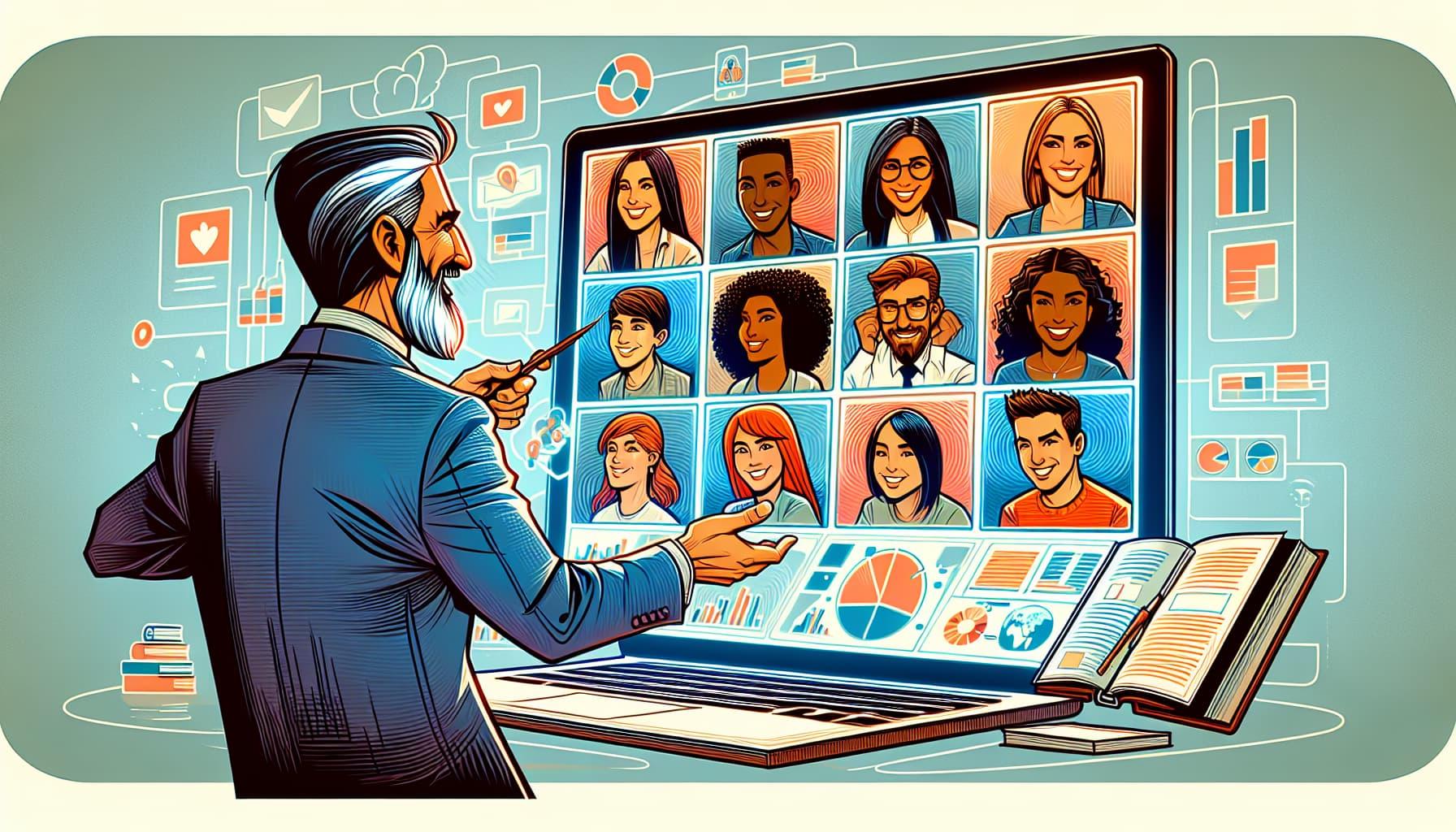
10 Proven Strategies for Effective Remote Teaching: Tips for Engaging Online Learners
Remote teaching has rapidly become a cornerstone of modern education. Whether you’re an experienced educator or new to online learning, engaging students in a virtual classroom presents unique challenges—and remarkable opportunities. In this comprehensive guide, we dive into 10 proven strategies for effective remote teaching to help you foster participation, boost motivation, and create a thriving online learning surroundings.
Why Effective Remote Teaching Matters
The shift to remote education is more than just using video-conferencing tools—its about building meaningful connections, supporting diverse learning styles, and leveraging technology to enhance outcomes. When done right, online teaching can improve accessibility, offer greater flexibility, and provide a richer, more personalized learning experience.
10 Proven Strategies for Engaging Online Learners
-
1. Set Clear Expectations and Learning Objectives
Begin every course or session by outlining your learning objectives and expectations. Openness about course structure, deadlines, grading, and communication protocols can reduce confusion and anxiety, allowing students to focus on learning.
Tip: Share a digital syllabus and repeat key messages periodically via announcements. -
2. incorporate a Variety of Interactive Tools
Don’t just rely on video calls and PDFs. Utilize collaborative digital tools for real-time engagement:
- Online Whiteboards (e.g., miro, Jamboard)
- Live Polls & Quizzes (Kahoot, Mentimeter, Poll Everywhere)
- Discussion Boards & forums
- Breakout Rooms for Group Work
Mixing these elements keeps sessions dynamic and addresses different learning preferences.
-
3. Foster Regular Communication and Feedback
Consistent, two-way communication is at the heart of student engagement in remote learning. Use a combination of scheduled office hours, discussion threads, and private messaging for optimal access and support.
Tip: Set “feedback checkpoints” throughout the course for both formal and informal input. -
4. Personalize Learning Experiences
Tailor assignments and content to accommodate different interests and learning needs. This could mean letting students choose project topics or pace through a module at their own speed. The more control a student has, the more engaged they become.
-
5. Utilize Active Learning Strategies
Effective remote teaching moves beyond passive lectures. Include active learning techniques such as:
- Case studies and real-world problem-solving
- Peer teaching and group projects
- Simulation games or role-playing scenarios
-
6. Make Content Accessible and Inclusive
Ensure all materials meet accessibility standards (captioned videos, screen-reader compatible documents). Provide multiple formats (video, audio, text) and adopt universal design for learning (UDL) principles to support diverse students.
-
7. Encourage Social Presence and Community Building
Incorporate ice-breakers,virtual introductions,and group discussions to create a sense of belonging. Facilitate informal spaces where students can connect, such as digital lounges or study groups.
-
8. Integrate Formative Assessments and Gamification
Use quick quizzes, self-assessments, or game-based activities to measure understanding and motivate continuous participation.
- Instant feedback helps adjust teaching pace
- Leaderboards or digital badges can boost motivation
-
9. Prioritize Well-Being and Flexibility
The remote learning environment can sometimes feel isolating or overwhelming. Regularly check in on students’ well-being, provide flexible deadlines when possible, and remind them of campus resources for academic or emotional support.
-
10. Continuously Reflect and Improve
Effective remote teachers are always learning themselves. Gather feedback after every course, review what worked, and be open about what could be improved. Professional development and a growth mindset are key to long-term success.
Tip: Use anonymous surveys or polls to encourage honest feedback from students.
Key Benefits of Engaging Remote Teaching
- Improved Retention: Engaging strategies lead to higher course completion and knowledge retention rates.
- Greater Accessibility: Remote teaching can reach students regardless of location or schedule.
- Personalized Learning: Adapting instruction to individual needs maximizes each student’s potential.
- diverse Collaboration: Students gain valuable skills working with peers from different backgrounds.
First-Hand Experience: Lessons from the Virtual Classroom
During a college-level communications course, Dr. Emilia chan noticed that her students were hesitant to speak up during full-class zoom lectures. By integrating breakout room discussions, she saw participation increase by 40%. Students reported feeling more pleasant sharing ideas in smaller groups, and Dr. Chan used their insights to enrich the main session. This small shift made virtual participation more inclusive and interactive.
As many educators discover, sometimes the simplest strategies—such as personalized feedback or flexible deadlines—have the greatest impact on remote learners’ motivation and academic performance.
Practical Tips for Transitioning to Remote Teaching
- Test all online teaching tools in advance to avoid technical disruptions.
- Set boundaries for digital accessibility—avoid email overload and respect time zones.
- Record lectures for students with scheduling conflicts or unreliable internet.
- Foster autonomy: encourage self-paced modules where appropriate to support independent learning.
conclusion: Make Your Remote Teaching Count
Embracing effective remote teaching strategies is about more than just transferring face-to-face lessons online. It means reimagining how we connect, communicate, and curate learning experiences for a digital world. By implementing these 10 proven tips for engaging online learners,you’ll not only boost student participation and satisfaction but also future-proof your teaching methods. Invest in community, leverage interactive tools, and keep adapting—and you’ll inspire your online learners to excel, wherever they log in.
For more resources on distance education and virtual classroom best practices, browse our other articles or join our newsletter!