
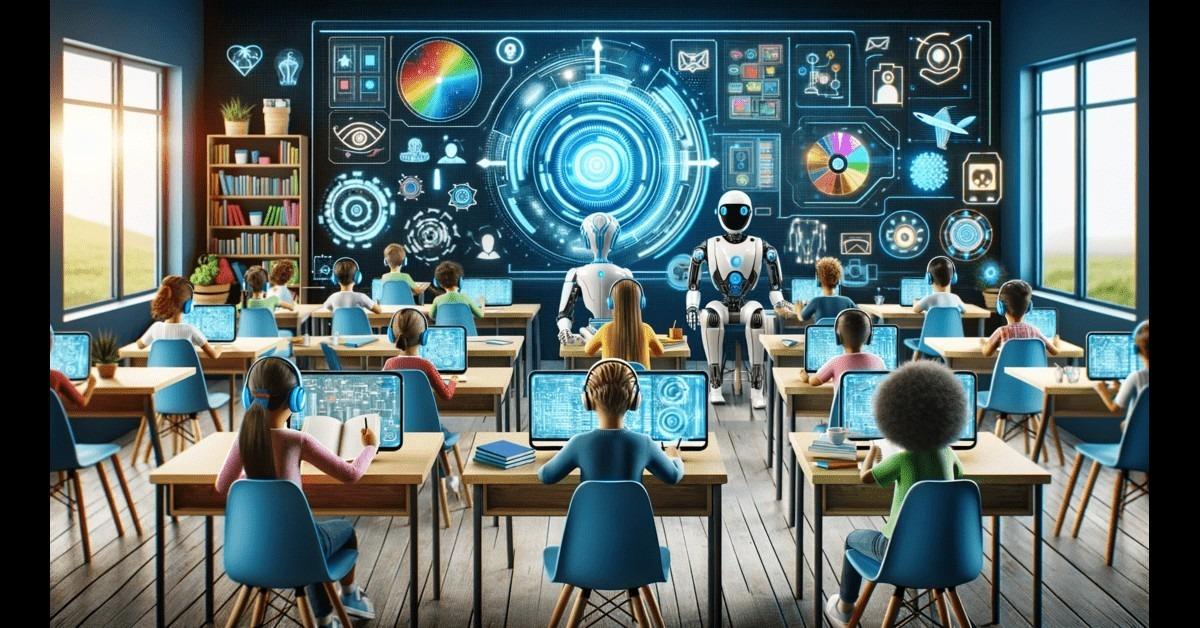
10 Proven Strategies for Policymakers to Future-Proof Education Systems
Empower education for tomorrow: Our actionable guide helps policymakers transform schools, nurture innovation, and build resilient education systems in the digital era.
Introduction: The Imperative to Future-Proof Education Systems
In today’s rapidly changing world, education systems must evolve to meet emerging challenges. Technological advances, global disruptions, and shifting workforce demands require policymakers to adopt forward-thinking strategies that ensure learning remains relevant, equitable, and resilient. Future-proofing education is not a choice—it’s a necessity to prepare students for unpredictable futures and lifelong success.
In this extensive guide, we present 10 proven strategies for policymakers to future-proof education systems. These actionable insights are rooted in international best practices and tailored to help education leaders foster innovation, close gaps in access, and drive impactful outcomes for every learner.
Key Benefits of future-Proofing Education
- enhanced adaptability: Prepare students and systems for unforeseen changes.
- Closing the skills gap: Equip learners with relevant, future-ready skills.
- Equity and inclusion: Ensure all students thrive, irrespective of background or zip code.
- boosted economic resilience: Create a workforce able to navigate evolving industries.
- Global competitiveness: Maintain a nation’s edge in innovation and knowlege economies.
10 Proven Strategies to Future-Proof Education Systems
1. Embrace Digital Conversion in education
Digitization is no longer optional. Policymakers should leverage educational technologies to enhance classroom experiences, personalize learning, and increase system resilience. key steps include:
- Investing in robust digital infrastructure for all schools
- Providing teacher training in EdTech and blended learning models
- Implementing adaptive learning platforms for individualized instruction
- Expanding access to online resources for remote and hybrid learning
Case Study: Estonia’s Digital Leap
Estonia’s transformation into a digital society is underpinned by digital-first education policies, nationwide broadband, and robust teacher upskilling programs—setting a global standard in future-proof education.
2. Foster Critical Thinking and Problem-Solving Skills
Content memorization is increasingly less valuable. Modern curricula must prioritize critical thinking,creativity,dialog,and problem solving. Policymakers can:
- Redesign curricula to weave 21st-century skills throughout all subjects
- Introduce project-based and experiential learning opportunities
- Provide continuous professional development for teachers
3. Prioritize Lifelong Learning and Flexible Pathways
Learning can’t stop at graduation. To ensure future readiness:
- Create seamless transitions between K-12, higher education, and workforce training
- Support micro-credentials, certification programs, and online learning for all ages
- Encourage partnerships with industry for real-world learning pathways
4. Strengthen Equity and Inclusion in Education
True future-proofing must guarantee equitable access for all learners, regardless of background:
- Bridge the digital divide by allocating resources to marginalized communities
- Design curricula and teaching materials that reflect diverse cultures and perspectives
- Enforce anti-discrimination and disability accommodation policies across education systems
“At its core, a future-proof education system is one where no child is left behind—every learner is empowered to reach their full potential.”
5. Focus on Social and Emotional Learning (SEL)
emotional intelligence is essential for resilience. Integrating SEL nurtures empathy,well-being,and adaptability. To achieve this, policymakers should:
- Embed SEL in national education standards
- Train teachers and support staff in SEL practices
- Measure and prioritize student well-being alongside academic outcomes
6. Establish Strong partnerships with Industry and Community
Building robust connections with businesses, nonprofits, and local communities is critical for relevant and responsive education:
- Co-develop curricula with industry partners to align with evolving workforce needs
- Create internship, apprenticeship, and mentorship opportunities
- Engage families and communities through participatory decision-making
Case Study: Germany’s Dual Education System
Germany’s highly regarded vocational training model ties classroom learning to real-world skills through government, industry, and educational institution collaboration—ensuring graduates are workplace ready.
7. advance Global Competence and citizenship Education
As the world becomes more interconnected,global competence is vital. Steps for policymakers include:
- Incorporate global issues, languages, and cultural studies into national curricula
- Support student exchange and cross-border collaboration programs
- Foster digital citizenship and media literacy to combat misinformation
8. invest in Data-Driven Decision Making
Reliable data is the backbone of continuous education enhancement. Policymakers should:
- Implement comprehensive, privacy-respecting education data systems
- Use data analytics to monitor equity, performance, and innovation trials
- Act on evidence to allocate resources and refine policies
9. Build Teacher Capacity for the Future
Teachers are at the heart of education reform. To elevate their role and effectiveness:
- Offer ongoing professional development focused on digital, inclusive, and inquiry-based practices
- Reward innovation and leadership in teaching
- Strengthen teacher recruitment and retention policies, especially in underserved areas
10. Prepare for Emergencies and Systemic Shocks
The COVID-19 pandemic exposed vulnerabilities and highlighted the need for resilient education systems. To prepare for future disruptions:
- Develop crisis management protocols and emergency learning plans
- Ensure all students have access to devices and internet connectivity
- Invest in blended and distance learning capabilities
Practical Tips for Effective Education Policy Implementation
- Engage all stakeholders—students, teachers, parents, business leaders—through every stage
- Pilot new initiatives before nationwide rollout
- Continuously evaluate outcomes and iterate policies based on real-world feedback
- secure sustainable funding for long-term success
- Stay informed about global best practices and innovation trends in education
First-Hand Experiance: Voices from the Field
Maria, School Principal (finland): “When we prioritized teacher training in digital tools, student engagement soared. Our ability to adapt during school closures was possible as we had invested early in blended learning.”
Dr. Yusuf, Education Policy Advisor (Nigeria): “Bridging the digital divide transformed rural schools and gave children their first opportunity to dream about new futures.”
Conclusion: Moving Forward with Vision and Courage
Future-proofing education systems is a long-term commitment that demands innovation, collaboration, and inclusive policy design. By embracing these ten proven strategies, policymakers can build educational ecosystems that are responsive, equitable, and resilient enough for any challenge the future holds. The actions taken today will shape generations to come—let’s ensure every learner is equipped to thrive in a changing world.
Ready to drive transformation in your education system? Start with these strategies, foster partnerships, and champion lifelong learning—for a brighter, future-ready tomorrow.