
10 Proven Tips for Designing Effective Microlearning Modules That Boost Engagement
In today’s fast-paced digital landscape, the demand for concise, engaging, and flexible learning solutions is at an all-time high. Microlearning has emerged as a powerful strategy to deliver knowledge in bite-sized, easily digestible chunks.Whether you’re an instructional designer, a corporate trainer, or an educator, designing effective microlearning modules can substantially enhance engagement and ensure better knowledge retention. In this comprehensive guide, we’ll explore 10 proven tips to help you create microlearning modules that captivate your audience and drive meaningful results.
what is Microlearning? (And Why Should You Care?)
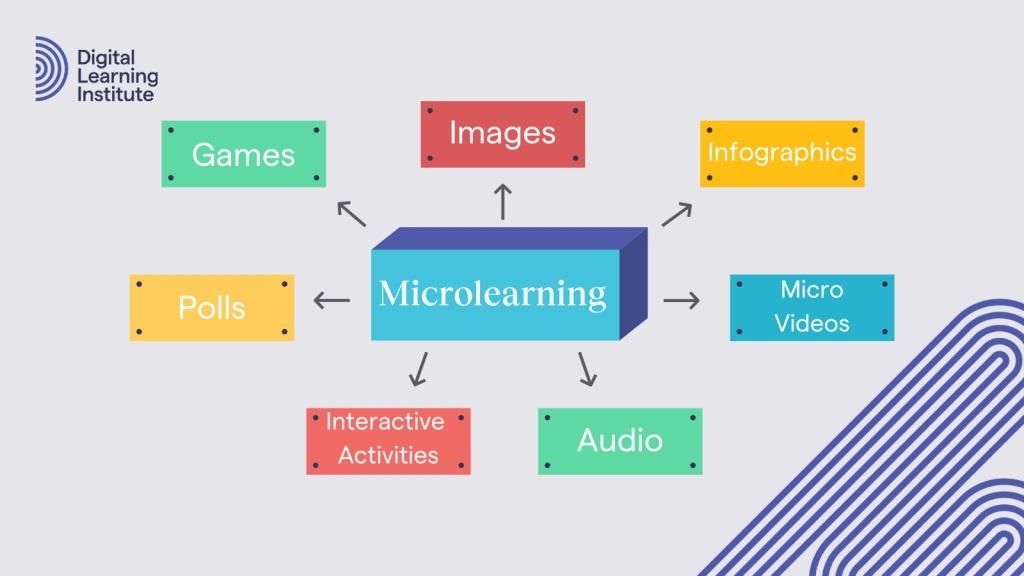
Microlearning refers to short, focused learning experiences designed to meet a specific outcome. Unlike traditional long-form learning,microlearning modules are typically 2-10 minutes long and accessible on-demand,making them ideal for modern learners with limited time and attention spans.
- Versatility: Learn anytime, anywhere, on any device.
- High retention: Bite-sized content increases memory and request.
- Engagement: interactive and concise modules hold learner interest.
- Performance support: Just-in-time learning boosts productivity.
Benefits of Effective Microlearning Design
- Boosts engagement rates: Interactive elements and short durations keep learners involved.
- Enhances accessibility: Mobile-friendly design allows learning on the go.
- Improves retention: Spaced repetition and focused topics strengthen memory.
- Supports personalization: Learners can choose modules relevant to their needs.
- Reduced advancement costs: Smaller modules mean faster production and easier updates.
10 Proven Tips for designing Engaging Microlearning Modules
-
Define a Clear Learning Objective
Start every module with a specific and measurable goal.What should learners be able to do after the lesson? Clarity in objectives helps streamline content and ensures each microlearning module delivers real value.
-
Keep it Short and focused
Limit each module to address a single concept or skill. Ideally, keep them under 10 minutes. This laser focus prevents cognitive overload and ensures learners stay attentive.
-
Use Interactive Elements
Active learning increases engagement. Quizzes, drag-and-drop, clickable scenarios, flashcards, polls, and simulations turn passive watching into active learning, reinforcing understanding and retention.
-
Leverage Visual and Multimedia Content
Incorporate images, infographics, explainer videos, and animations to deliver complex details quickly and memorably. Visual storytelling not only increases engagement but also helps learners process and retain knowledge better.
-
Design for Mobile Devices
Ensure your microlearning modules are responsive and mobile-friendly. Use clear fonts, large buttons, and optimized media for seamless learning on smartphones and tablets.
-
Apply Micro Assessments
Embed fast knowledge checks and assessments throughout your modules. Instant feedback not only motivates learners but also helps solidify the learning and boost completion rates.
-
Contextualize Learning with Real-World Scenarios
Use real work-related examples and scenarios that reflect the learner’s surroundings. Contextual learning fosters relevance and application, making knowledge stick longer.
-
Chunk Content Logically
Break information into logical, digestible units (known as chunking). Use clear headings, subheadings, and bullet points for easy scanning and navigation.
-
promote Social Learning
integrate social elements—such as discussion forums, leaderboards, or peer reviews. Collaboration and competition can drive higher engagement and participation in your microlearning modules.
-
Motivate with Gamification
Add gamified features like badges, points, progress bars, and rewards to create a sense of achievement and encourage continued use.Gamification taps into intrinsic motivation for higher completion rates.
Case Studies: Microlearning in Action
TechCorp Boosts Onboarding completion by 40%
TechCorp, a global IT company, revamped its employee onboarding process with microlearning modules focused on daily tasks. By introducing interactive video tutorials and quizzes accessible via mobile, the company saw onboarding completion rates rise from 50% to 90% in just six months.
Healthcare Training Enhanced with Real-world Scenarios
A major hospital introduced scenario-based microlearning for emergency response training. By simulating real cases in short, mobile-friendly segments, staff demonstrated 30% faster recall and improved procedural accuracy in real emergencies.
Practical Tips for Getting Started with Microlearning
- Analyze your audience: Know their needs, preferences, and prior knowledge.
- Choose the right authoring tools: Utilize platforms that support interactive, mobile-responsive modules (e.g., Articulate Rise, Adobe Captivate).
- Collect learner feedback: Continuous improvement relies on real user insights.
- integrate with your LMS: Make modules easily accessible and track learner progress.
- Update content regularly: Keep modules relevant and up-to-date with industry changes.
First-Hand Experience: Insights from an Instructional Designer
“When designing microlearning modules for our retail training program, we noticed a significant boost in engagement when we kept videos under five minutes and incorporated scenario-based decision making. Learners appreciated the bite-sized approach, and sales metrics improved quarter over quarter.”
— Emily R., Senior Instructional Designer
Conclusion: Transform Learning with Effective Microlearning Design
Designing engaging microlearning modules is both an art and a science. By following these 10 proven tips, you can create impactful, interactive, and mobile-ready learning experiences that keep learners motivated, engaged, and primed for success. Remember, the key to effective microlearning lies in understanding your audience, delivering value in every short session, and adapting your strategy based on feedback and outcomes.
Ready to boost engagement and learning outcomes in your institution? start applying these microlearning strategies today and experience the difference!