
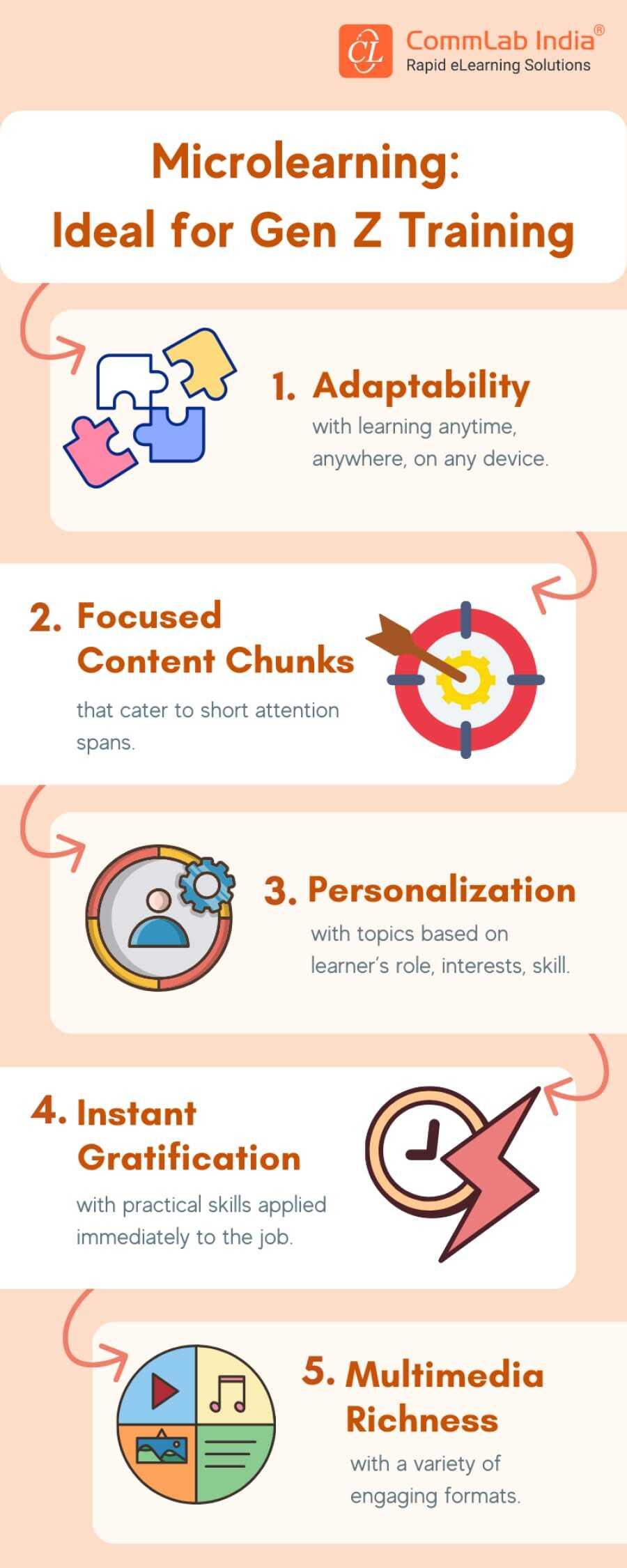
10 Proven Tips for designing Effective Microlearning Modules That Boost Learner Engagement
In today’s fast-paced digital world, capturing and retaining learner attention has become more challenging than ever. That’s where microlearning modules come into play. These bite-sized, focused training units are revolutionizing the way organizations deliver engaging learning experiences. if you want to create microlearning content that truly resonates with your audience and drives results, you’ve come to the right place. In this article, we’ll unveil 10 expert tips for designing effective microlearning modules that maximize learner engagement and boost knowledge retention.
What is Microlearning?
Microlearning refers to delivering educational content in short, focused bursts that learners can easily consume and apply—typically 3-7 minutes per module. Unlike conventional eLearning formats,microlearning emphasizes relevance,immediacy,and engagement,making it ideal for modern learners with dwindling attention spans.
Key Benefits of Microlearning
- Improves learner retention by chunking information into digestible pieces
- Enhances engagement through interactive and visually rich formats
- Offers flexibility—can be accessed anytime, anywhere, on any device
- Accelerates skill progress with focused and actionable instruction
10 Proven Tips for Creating Engaging microlearning Modules
Designing successful microlearning isn’t just about making lessons shorter. It requires strategic planning, creativity, and a laser focus on learner needs. Here are ten concrete tips to help you develop microlearning that truly boosts engagement and drives results:
1. Focus on a Single Learning Objective
Each microlearning module shoudl address one specific objective. Avoid cramming too much information; rather, keep your content concise and targeted. This makes it easier for learners to absorb and recall the main takeaway.
2. Keep It Short and Sweet
The core appeal of microlearning is brevity. Limit modules to 3-7 minutes. Brief, digestible content helps prevent information overload and sustains attention throughout the learning experience.
3. Design for Mobile-First Learning
With more learners accessing training on the go, your modules must be optimized for mobile devices. Use responsive design techniques and minimize large blocks of text. Opt for touch-pleasant navigation to enhance usability.
4. Use Multimedia Elements
Engage visual and auditory learners by incorporating videos, infographics, animations, and audio snippets.Multimedia makes learning more memorable and breaks up text-heavy content.
5. Make Interactivity a Priority
- Embed quizzes and knowledge checks to reinforce learning
- Use drag-and-drop activities or clickable hotspots
- Encourage participation with real-world scenarios or branching simulations
Interactive microlearning modules foster active learning,driving higher engagement and information retention.
6. Apply Consistent, Clean Visual Design
A clutter-free, visually appealing layout ensures your message isn’t lost in design noise. Maintain brand consistency, use plenty of white space, choose easy-to-read fonts, and utilize a consistent color palette to guide the learner’s focus.
7. Provide Just-in-Time Learning Opportunities
Deliver microlearning content when and where learners need it most. Contextual microlearning—accessed on-demand during daily tasks—supports immediate submission and problem-solving.
8. Use Storytelling Techniques
Even in brief modules, stories resonate. Structure your content around relatable scenarios or case studies to help learners connect emotionally and see real-world value.
9. incorporate Gamification Elements
Layer in gamification to make learning fun and rewarding. Potential features include:
- Digital badges and certificates
- Progress bars and completion tracking
- Points and leaderboards for friendly competition
10. Solicit Feedback and Iterate
stay attuned to learner needs by gathering feedback through surveys or embedded polls. Use these insights to make continuous improvements and keep your microlearning modules fresh and effective.
Practical Tips for Implementing Microlearning in Your Organization
The transition to microlearning can feel overwhelming at first,but these steps can help simplify the process:
- start small: Convert one traditional training unit into a microlearning module and gather initial learner feedback.
- Use microlearning platforms: Platforms like TalentLMS,Axonify,or EdApp can streamline delivery,mobile access,and analytics.
- Analyze learner data: Track engagement and completion rates to inform future module development.
- Balance autonomy and structure: Allow learners to choose topics while providing curated learning paths to guide progress.
Microlearning Case Study: boosting Learner Engagement at a Global Enterprise
A multinational financial services company faced low training completion rates and engagement with their traditional eLearning courses. By introducing microlearning modules on compliance topics, they achieved:
- Completion rates that soared from 60% to 98%
- An average knowledge retention enhancement of 35%
- Positive feedback from over 90% of employees on the engaging, bite-sized format
The addition of interactive quizzes and gamified rewards was instrumental in keeping learners motivated. This conversion showcases the meaningful benefits effective microlearning can bring to any organization.
Conclusion: Start Designing Microlearning That Works
Microlearning isn’t just a training trend—it’s a proven method for creating engaging, effective, and results-driven learning experiences. By following these 10 expert-approved strategies, you can develop microlearning modules that captivate your audience, boost engagement, and drive long-term knowledge retention.
Whether your transforming legacy courses or building from scratch,remember: keep it focused,visually engaging,interactive,and continually optimized. when designed thoughtfully, microlearning modules become a powerful tool for learner success in any modern organization.
Ready to take your learning initiatives to the next level? Start applying these tips today and see how effective microlearning can transform your training outcomes and make learning an enjoyable journey!