
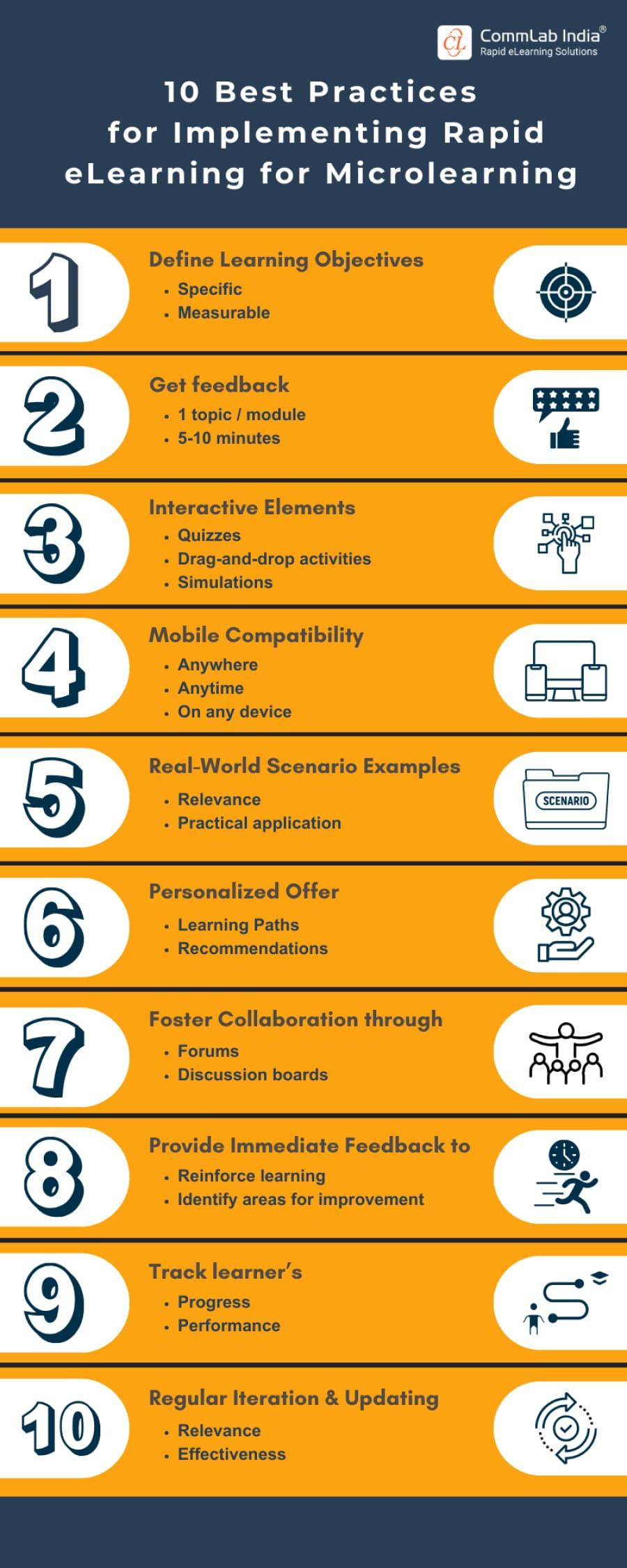
10 Proven Tips for Designing Effective Microlearning Modules That Engage and Educate
In today’s fast-paced digital world, attention spans are shrinking—and so is the time available for learning. That’s why microlearning has become a game-changer for organizations and educators seeking to deliver impactful, bite-sized learning experiences. But to achieve real results, you need more than just concise content. Effective microlearning module design is key to boosting engagement and knowledge retention. In this article, we’ll share 10 proven tips that will help you create microlearning modules that genuinely engage and educate your audience.
What is Microlearning?
Microlearning is a modern educational approach that delivers content in short, focused bursts—typically 3 to 7 minutes in length. These micro-content modules are designed around a single learning objective, allowing learners to quickly acquire knowledge or skills without cognitive overload. Common microlearning formats include:
- Short videos
- Infographics
- Interactive quizzes
- Podcasts or audio snippets
- Gamified learning activities
Benefits of Microlearning Modules
Before diving into our design tips, let’s explore the main benefits of microlearning modules:
- Improved Retention: Details is less likely to be forgotten thanks to focused, manageable segments.
- On-Demand Learning: Learners can access content exactly when they need it, boosting practical request.
- Increased Engagement: Short, interactive modules prevent boredom and maintain attention.
- Mobile-Amiable: Perfectly suited to smartphones and tablets, enabling flexible learning anytime, anywhere.
- Scalable and Cost-effective: Easy to update and adapt for diverse teams or audiences.
10 Proven Tips for Designing Effective Microlearning Modules
-
Start with Clear, measurable learning Objectives
Microlearning works best when it addresses a single, well-defined goal. Identify what you want your learners to achieve and make it measurable. such as, “By the end of this module, learners will be able to list three safety procedures for lifting heavy objects.”
-
Keep Content Short and Focused
The hallmark of microlearning is brevity. Distill content to its essentials, eliminating needless details and tangents. Aim for modules that can be completed in 5 minutes or less.
-
Use Engaging Visuals
Visual elements—like graphics, diagrams, and videos—enhance understanding and retention. Incorporate high-quality, relevant visuals that reinforce your message without adding clutter.
-
Incorporate interactivity
Interactive elements, such as clickable scenarios, drag-and-drop exercises, and quick quizzes, keep learners engaged and encourage active learning. interactivity also provides immediate feedback, crucial for knowledge reinforcement.
-
Design for Mobile Learning
many learners access microlearning modules on mobile devices. Use responsive design principles to ensure your modules look and function beautifully on any screen size. Avoid large blocks of text and opt for bite-sized, tap-friendly content.
-
Leverage Storytelling
Connect information to real-world scenarios using storytelling techniques.Share brief anecdotes, case studies, or scenarios that illustrate the core learning objective and make the content memorable.
-
Chunk Information Effectively
Break content into logical chunks or steps, each targeting a single concept or skill. use bullet points, numbered lists, or sections with heading tags for easy navigation and comprehension.
-
Include Real-World Practice
give learners the opportunity to instantly apply knowledge through short practice activities, case-based questions, or simulations. This not only improves retention but builds learner confidence.
-
Utilize Micro-Assessments
Brief assessments—like multiple-choice questions, fill-in-the-blanks, or scenario-based challenges—help measure progress and reinforce key takeaways. They also provide valuable data to improve future modules.
-
optimize for Accessibility and inclusivity
Design your microlearning modules with accessibility in mind. use readable fonts, high-contrast visuals, audio captions, and alternative text for images so that every learner can benefit.
Best Practices for Microlearning Module Design
- consistent Branding: Use a unified visual style throughout to boost recognition and trust.
- Modular Structure: Allow learners to jump between modules and choose their own path.
- Data-Driven Improvements: monitor learner analytics and feedback to refine and personalize future modules.
- Microlearning in Blended Learning: Integrate microlearning with instructor-led sessions or peer discussions for deeper impact.
Real-World Example: Microlearning Success Story
A global retail company wanted to improve onboarding for new employees. By replacing one-hour eLearning courses with interactive 5-minute microlearning modules on key policies and customer service skills, the company saw:
- 35% higher course completion rates
- 20% faster time-to-competency
- Significant boost in employee satisfaction scores
This example demonstrates how microlearning module design can directly drive buisness results.
Frequently Asked Questions (FAQ) About Microlearning Modules
- How long should a microlearning module be?
Typically, 3-7 minutes, depending on the complexity of the topic.
- What types of content work best?
Videos, interactive quizzes, and scenario-based exercises are very effective.
- Can microlearning be used for compliance training?
Absolutely—breaking compliance topics into focused modules increases retention and reduces learner overwhelm.
- What tools are recommended for creating microlearning modules?
Popular options include Articulate Rise, Adobe Captivate, Elucidat, and custom WordPress LMS plugins.
Conclusion
Microlearning is revolutionizing how people learn online—providing practical, focused, and engaging modules that fit into even the busiest schedules. By following these 10 proven tips for effective microlearning module design, you can craft learning experiences that delight your audience, maximize retention, and drive real-world results.Remember,the key to success is clarity,interactivity,and relevance.Start small, measure impact, and keep optimizing your modules to ensure engagement and educational value for every learner.
Ready to transform your organization’s learning strategy? Start applying these microlearning best practices today and watch your learners thrive!