
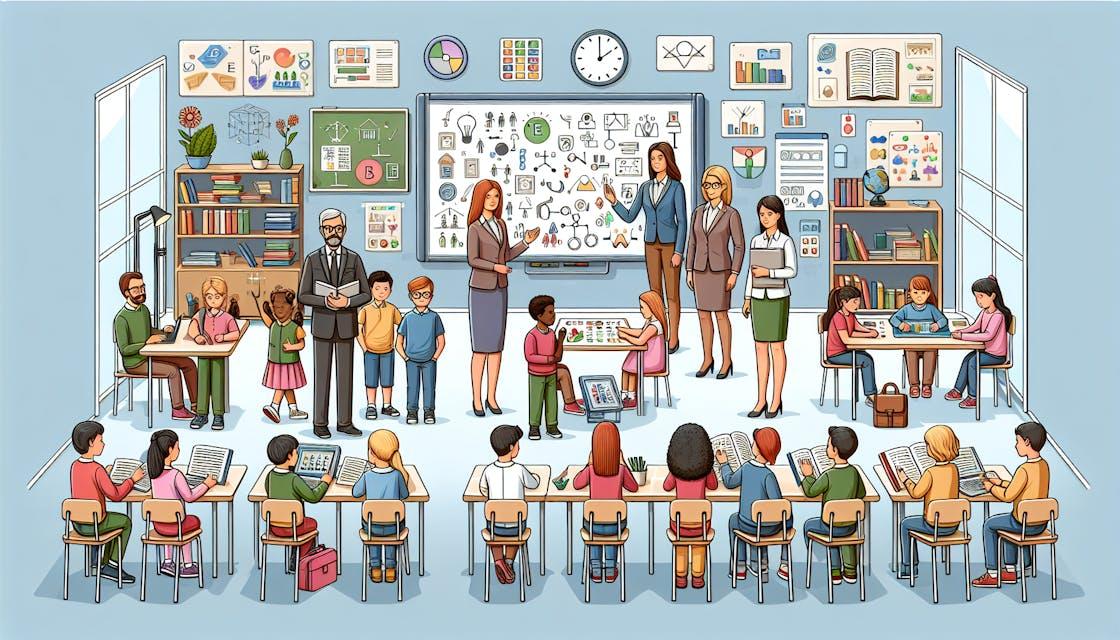
10 Ways Assistive Technologies Are Transforming Learning Experiences in Today’s Classrooms
In the rapidly evolving world of education, assistive technologies are playing a pivotal role in shaping more inclusive and effective learning environments. Designed to support students with diverse needs and learning styles, these innovative tools are breaking down barriers and unlocking new possibilities for engagement and achievement in today’s classrooms. In this complete article, we explore the top 10 ways assistive technologies are transforming learning experiences, along with practical tips, real-life examples, and the immense benefits they bring to both students and educators.
what Are Assistive Technologies in education?
Assistive technologies (AT) encompass a wide range of devices, software, and equipment purpose-built to support students with disabilities, learning difficulties, or other barriers to traditional learning methods. from screen readers and speech-to-text software to augmentative interaction devices, these tools are making educational content accessible, interactive, and personalized for every learner.
10 Ways Assistive Technologies Are Revolutionizing Modern Classrooms
-
1. Enhancing Accessibility with Screen Readers and Magnifiers
Screen readers and screen magnifiers are vital for students with visual impairments. Screen readers convert digital text into synthesized speech, enabling students to access course materials, websites, and digital textbooks. Screen magnifiers allow for the enlargement of content, making text, images, and graphics easier to see.
-
2. Supporting Literacy with Text-to-Speech and speech-to-Text
Text-to-speech (TTS) tools read aloud written text, helping students with dyslexia, visual impairments, or reading difficulties comprehend and retain information. Meanwhile, speech-to-text solutions transcribe spoken words into written text, empowering learners who struggle with handwriting or typing to complete assignments and express their ideas fluently.
-
3. Empowering Communication Through AAC Devices
Augmentative and Choice Communication (AAC) devices, such as speech-generating tablets or apps, enable non-verbal or minimally verbal students to participate actively in classroom discussions. These technologies foster independence, boost confidence, and ensure every student’s voice is heard.
-
4. Breaking Language Barriers with Real-Time Translation
For English Language Learners (ELLs) and multicultural classrooms, real-time translation tools bridge language gaps. Apps and devices provide instant translation of spoken or written instructions, allowing students from different backgrounds to follow lessons and interact with peers more easily.
-
5. Facilitating institution and Time Management
Many students struggle with executive functioning. Digital planners, visual schedules, reminder apps, and note-taking platforms like OneNote or Google keep help learners organize their assignments, set deadlines, and manage tasks—promoting independence and academic success.
-
6. Personalizing Learning with Adaptive Educational Software
Adaptive learning platforms adjust the difficulty and presentation of content based on real-time student performance. These tools provide personalized feedback, generate individualized learning paths, and offer targeted practice—enhancing both understanding and motivation.
-
7. Enhancing Engagement Through Interactive Whiteboards
Interactive whiteboards and smart boards foster collaborative, hands-on learning. With touch-based controls, multimedia integration, and interactive apps, these devices make lessons more dynamic for students with diverse learning preferences.
-
8.Making Math Accessible with specialized Tools
Mathematics can pose unique challenges for students with disabilities. Tools such as math manipulatives, talking calculators, and symbol-based math software can make math concepts visual and understandable, building both confidence and competence.
-
9. Promoting Independence with Mobility and Environmental Controls
For students with physical disabilities, mobility aids (like switches or alternative keyboards) and environmental control systems (to operate classroom devices or lights) create accessible, autonomous learning spaces.
-
10. Fostering Inclusion Through Virtual and Augmented Reality
Virtual Reality (VR) and Augmented Reality (AR) experiences offer immersive learning environments for students with different needs. Whether visualizing complex scientific concepts or practicing social interactions in safe, simulated settings, VR/AR transforms abstract lessons into tangible, engaging experiences.
The Benefits of Assistive Technologies in Education
- Increased inclusivity: All students, regardless of ability, can actively participate and excel.
- Improved academic outcomes: Tailored tools promote better comprehension and retention.
- Greater student engagement: Interactive and personalized content maintains interest and motivation.
- Enhanced self-esteem and independence: Students gain confidence and autonomy, both inside and outside the classroom.
- Streamlined teaching: Educators gain flexible tools to differentiate instruction and manage diverse classrooms more effectively.
Real-World Case Studies: Assistive Technology in Action
-
Case Study 1: Text-to-Speech in Elementary School
A public elementary school integrated TTS tools into reading sessions. Students with dyslexia showed a 25% betterment in reading comprehension scores within a semester,and teacher-reported engagement rose substantially.
-
Case Study 2: AAC Devices for Non-Verbal Communication
A middle school classroom provided iPad-based speech apps for students with autism. By the end of the year, participating students initiated conversations, answered questions aloud, and demonstrated increased social interaction.
-
Case Study 3: Adaptive Math Software in high School
In a diverse high school,adaptive math programs tailored to each student’s proficiency level enabled struggling learners to close achievement gaps,with test results showing notable gains in both skills and confidence.
Practical Tips for Integrating Assistive Technologies in the Classroom
- Assess Needs: Collaborate with special educators, occupational therapists, and students to determine which assistive technologies will have the greatest impact.
- Start Small: Begin with a few select tools and gradually expand based on student feedback and classroom outcomes.
- Provide Training: Offer ongoing professional development for teachers to maximize the effective use of assistive technologies.
- Foster Digital Literacy: Teach students how to use new devices responsibly and autonomously.
- Involve Families: Communicate regularly with families to support learning continuity at home.
First-Hand perspective: The Impact of Assistive Tech
“Our classroom’s atmosphere transformed with the introduction of text-to-speech and interactive whiteboards. Students who previously struggled now actively participate,and parents are amazed at the growth in confidence and independence. Assistive tech is a game-changer for inclusive education!”
— Ms.Lee, 5th Grade Teacher, Chicago Public Schools
Conclusion: Building the Future of Inclusive Education
Technology continues to reshape the educational landscape, and assistive technologies are at the forefront of this revolution. By offering accessible solutions and leveling the playing field, these tools empower every learner to reach their full potential. whether you are an educator, parent, or policymaker, embracing the possibilities of assistive technology is the key to fostering more inclusive, successful, and inspiring classrooms for all.
for more insights and up-to-date strategies on assistive technologies in education, stay tuned to our blog and never miss out on the latest innovations shaping learning experiences across the globe.