
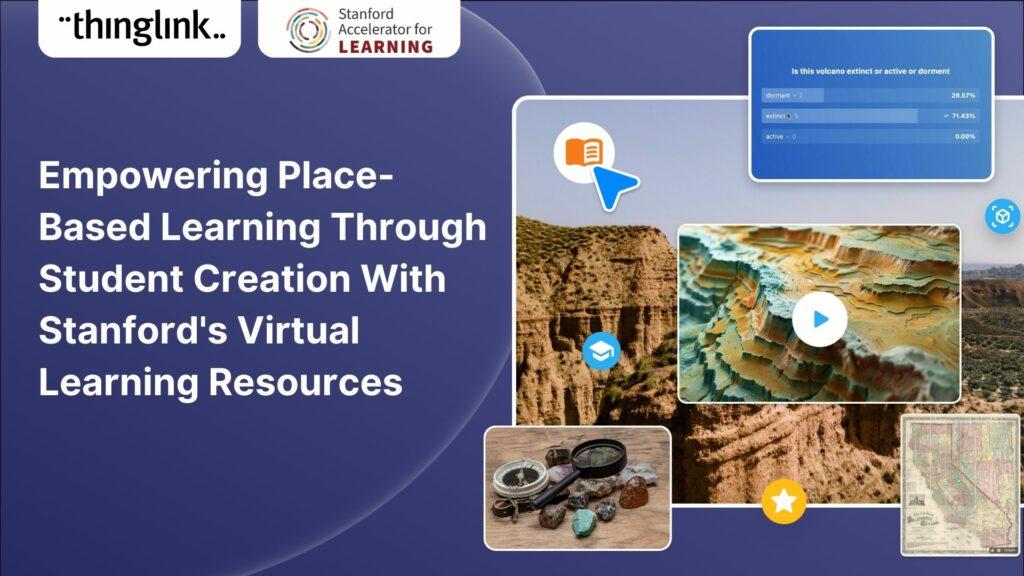
10 Ways Virtual Field Trips expand Horizons Without Leaving the Classroom
Technology continues to transform education, making once unimaginable experiences feasible from the comfort of the classroom. One such innovation—virtual field trips—is revolutionizing how students connect with history, science, geography, and even art across the globe. Today, let’s explore ten impactful ways virtual field trips expand horizons and enrich learning, enhanced by the latest digital tools and online resources.
Introduction: Bringing the world to Your Students
Educators have long recognized the tremendous value of real-world learning. Indeed, field trips foster curiosity, engagement, and comprehension far beyond what can be achieved with textbooks alone. But logistics and budgets frequently enough restrict these opportunities.Enter virtual field trips: engaging online experiences that allow students to visit museums, historical landmarks, national parks, and more—without ever leaving the classroom. These digital journeys offer a safe, cost-effective way to open minds and broaden perspectives.
Benefits of Virtual Field Trips
Before diving into the specific ways virtual field trips transform learning, let’s highlight some overarching benefits:
- Accessibility: Students of all abilities and backgrounds can participate.
- Cost savings: no transportation or entry fees, making enrichment available to more schools.
- Curriculum integration: Virtual visits can be tailored to various subjects and grade levels.
- Safety and security: Reduced risk and supervision compared to conventional trips.
10 Ways Virtual Field Trips Expand Horizons
1. Access to Remote or Restricted locations
Virtual field trips give students access to places otherwise unfeasible to visit—think the International Space Station,Amazon Rainforest,or ancient ruins in Egypt. these immersive experiences help learners appreciate global diversity and inspire deeper inquiry into nature, culture, and technology.
2. Fostering Global Awareness
By virtually traveling to different countries and exploring unique cultures,students develop cultural competence and empathy. Live webinars, interactive maps, and video tours expose them to customs, languages, and traditions beyond their own backyard.
3. Enhancing Engagement and Motivation
Virtual experiences often include interactive quizzes, live Q&A sessions, and multimedia presentations, making learning dynamic and memorable. When students see ancient artifacts up close or interact with wildlife experts, their enthusiasm for learning skyrockets.
4. Supporting Differentiated Instruction
Some students learn best visually, others aurally, and some through hands-on activities. Virtual field trips combine audio, video, text, and interactive elements to support various learning styles and needs. Teachers can tailor experiences to suit individual students or small groups.
5.Connecting Curriculum to real-Life Applications
Whether studying marine biology, ancient history, or renewable energy, virtual trips make abstract concepts tangible. Such as, a virtual STEM field trip to a wind farm can complement lessons on energy production, fostering practical understanding far beyond textbook definitions.
6. Promoting Collaborative Learning
Many virtual field trips encourage teamwork, with students discussing observations, completing group assignments, or collaborating on research. Post-trip projects can include presentations, blogs, or digital scrapbooks that deepen comprehension and interaction skills.
7. Allowing Versatility and Repetition
Unlike traditional trips limited to a day, virtual trips can be revisited anytime. Students may review content, post questions, or explore additional resources at their own pace—ideal for reinforcement, assessment, and inclusive education.
8. Reducing environmental Impact
Virtual field trips minimize carbon footprints by replacing bus rides and air travel with digital exploration. Students still learn about ecosystems,conservation,and biodiversity,but the experiences are lasting and eco-kind.
9. Encouraging Curiosity and Lifelong Learning
Exposure to experts, cutting-edge technology, and global attractions sparks curiosity that transcends the classroom. Virtual journeys often led students to pursue topics further—watching documentaries, joining clubs, or undertaking self-reliant research.
10. Increasing Parental and Community involvement
Many virtual platforms allow teachers to record field trips or share interactive experiences with families. This clarity enables parents to support learning and fosters stronger school-community connections.
Practical Tips for Teachers: making Virtual Field Trips Effective
Ready to plan your next virtual adventure? Here are some tips for maximizing the impact:
- Choose reputable platforms: Sites like google Expeditions, Revelation Education, and National Geographic offer high-quality virtual experiences.
- Align with curriculum goals: Select trips that complement current lessons for seamless integration.
- Prepare students beforehand: Set objectives, introduce necessary vocabulary, and spark interest with previews or teaser videos.
- Incorporate active participation: Use chat features, polls, and collaborative assignments to keep students engaged.
- Follow up: Assign reflection activities, discussions, or related assessments afterward.
Real-World Case Studies: Virtual Field Trips in Action
Here are examples of prosperous virtual field trips:
- The Smithsonian National Museum of Natural History: Thousands of students have explored dinosaur fossils, world cultures, and rare gems via interactive online tours, linking science and history topics.
- Monterey Bay Aquarium: Live-streamed events expose students to marine ecosystems and conservation efforts, followed by discussions with marine biologists.
- NASA’s Virtual Space Tours: Classes can participate in live chats with astronauts,view the latest space missions,and simulate lunar landings,making STEM come alive.
First-Hand Experience: Teachers Share the Impact
“Our virtual visit to Ellis Island brought history to life for my students.They saw photos, listened to immigrants’ stories, and truly understood what their ancestors experienced. It was more powerful than any textbook.”
— Ms. Miller, Grade 5 Teacher
“With virtual field trips, every child in my classroom explores the world, regardless of budget or physical ability. Students leave inspired and eager to continue learning.”
— Mr. Lau, Middle School Social Studies
Conclusion: The Future of Classroom Learning Is Here
Virtual field trips open doors to adventure, understanding, and inspiration in ways traditional travel simply cannot. By harnessing technology, teachers make the world accessible—broadening perspectives, building empathy, and preparing students for a diverse, interconnected future. As digital resources continue to evolve, so do the possibilities for exploration, engagement, and lifelong curiosity—no passport required!
Ready to expand your classroom’s horizons?
embrace virtual field trips as a core part of your teaching toolkit, and watch your students’ curiosity, engagement, and global awareness soar. From the rainforests to the stars, the world awaits—right from your school’s computer lab.
Keywords: virtual field trips, online learning, classroom engagement, digital education, educational technology, remote learning, interactive experiences