
5 Cost-Effective VR Solutions for Schools: Affordable Virtual Reality Tools for Education
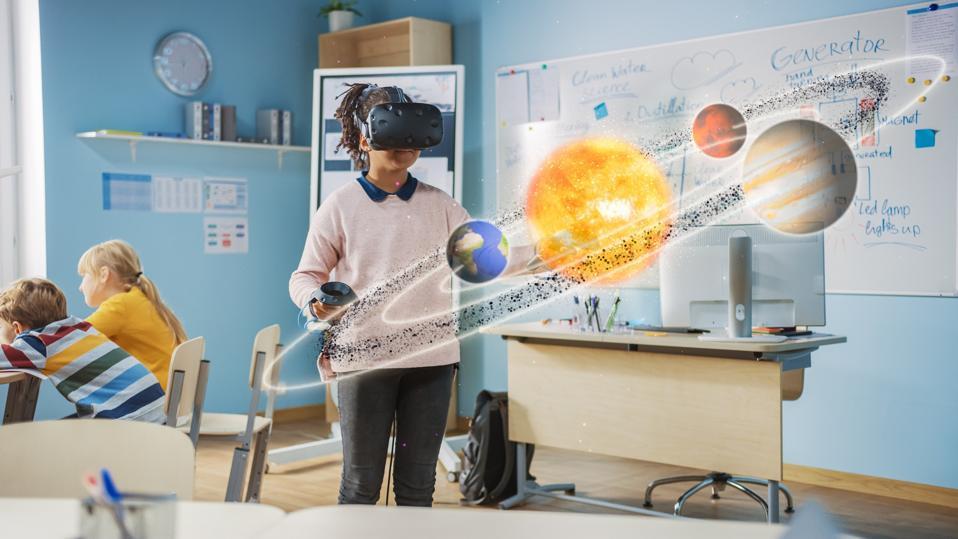
In today’s rapidly-evolving educational landscape, immersive learning experiences are becoming more essential than ever. Virtual Reality (VR) is transforming the classroom by making abstract concepts tangible and sparking students’ imaginations. But for many schools, the high cost of VR hardware and software can seem like a barrier. This article covers 5 cost-effective VR solutions for schools—affordable virtual reality tools that deliver high-impact educational experiences without breaking the budget. Read on to discover the best VR tools, practical implementation tips, real-world case studies, and how your school can embrace the future of learning.
Why Choose Cost-Effective VR Solutions for Education?
Integrating virtual reality in schools offers numerous educational benefits:
- Enhanced Engagement: VR captivates students’ attention and motivates participation.
- deeper Understanding: Visualizing complex topics boosts retention and comprehension.
- Safe Experimentation: Students can explore hazardous or inaccessible scenarios safely.
- Inclusivity: VR breaks down physical and geographical barriers, offering equal learning opportunities.
However, the key challenge has been affordability. Thankfully, recent innovations have led to a range of affordable VR solutions for education that are budget-friendly and easy to implement in K-12 and higher education environments.
Top 5 Affordable VR Tools for Schools
Here are five top-rated, cost-effective VR solutions that are transforming classrooms across the globe:
1. Google Expeditions & Google Cardboard
Google Expeditions was designed specifically for educators, turning smartphones and inexpensive viewers into powerful VR teaching tools. While Google phased out the expeditions app in 2021, its collections migrated to Google Arts & Culture, making hundreds of virtual field trips accessible for free.
- Key Features: 950+ immersive tours; integrates with Google Classroom; wide variety of subjects.
- Hardware: Uses affordable Google Cardboard viewers (as low as $10 per headset) with students’ own smartphones or inexpensive devices.
- Best For: Virtual field trips, history, geography, art, and science explorations.
2. Oculus Quest 2 (Meta Quest 2) with Educational Apps
The Meta quest 2 (formerly Oculus Quest 2) is a standalone VR headset that offers advanced immersive experiences at a fraction of the cost of PC-tethered systems. Many educational apps—such as Wander, ClassVR, and Mission:ISS—bring interactive learning to STEM, history, and language arts.
- Key features: Wireless; intuitive user interface; vast library of educational content.
- Price: About $299 per headset, often with discounts for educational bulk purchases.
- Best For: Middle/high schools,STEM labs,interactive lessons,and project-based learning.
3. Merge EDU and Merge Cube
Merge Cube is an innovative AR/VR platform that brings 3D objects to life using a foam cube and simple tablet or phone.Merge EDU’s subscription unlocks lesson plans, simulations, and interactive models compatible with affordable VR viewers.
- Key Features: hands-on STEM learning; 3D object interaction; cross-platform support.
- Hardware: merge Cube (about $20) plus students’ own devices or school tablets (iOS/Android).
- Best For: Elementary/middle schools, science labs, makerspaces, tactile learning.
4. ClassVR by Avantis
ClassVR is an all-in-one VR and AR headset designed specifically for schools,offering centralized classroom management and a library of curriculum-aligned experiences.
- Key Features: Teacher controls and lesson syncing; robust safety and privacy settings; built-in educational content.
- Price: Starting at about $400 per headset with school bundle discounts; all-in-one device reduces need for extra hardware.
- Best For: Primary and secondary schools, global studies, art, history, and cross-curricular applications.
5. CoSpaces Edu
CoSpaces Edu is a flexible platform empowering students and teachers to create their own interactive VR and AR content. Accessible via web browsers or VR headsets, it turns coding, creativity, and collaboration into immersive learning adventures.
- Key Features: Drag-and-drop scene creation; coding integration (Blockly, JavaScript); supports Google Cardboard and Oculus devices.
- Pricing: Free basic plan; premium features start at $75/classroom/year.
- best For: STEAM projects, computer science, creative arts, and cross-curricular learning.
Practical Tips for Implementing VR in the Classroom
- Start Small: Begin with 1-2 VR headsets or viewers for a pilot program before scaling up.
- Leverage BYOD: Encourage students to use their own smartphones for Cardboard-based VR, reducing costs further.
- Secure Grants: Seek out educational technology grants or local business sponsors to fund VR purchases.
- Teacher Training: Offer PD (professional development) on managing VR equipment, integrating VR into lessons, and digital safety.
- Curriculum Integration: Align VR experiences with learning standards and existing lesson plans to maximize impact.
- Sanitization: Use wipeable headsets or viewer covers, and establish hygiene protocols for shared devices.
Case Studies: Affordable VR in Real Schools
Case Study 1: Virtual Field trips in rural Colorado
A small district in Colorado adopted google Cardboard VR headsets, allowing students to “visit” the Great Barrier Reef and national parks—an chance or else out-of-reach due to distance. Teachers report increased student engagement and curiosity, especially in geography and science units.
Case Study 2: Interactive Science in New York City
An urban STEM magnet school uses Merge Cube and tablets for interactive dissections and molecular modeling. “Our students get to explore atoms and human anatomy in a hands-on way, without costly lab materials,” notes science teacher Marisa Q.
First-Hand Experience: Educator Insights
“Implementing affordable VR tools like Google Cardboard has transformed how we teach geography and history. My students are now able to immerse themselves in ancient Rome and underwater ecosystems… It makes lessons exciting and memorable!”
— Ms. Wang, 5th grade Teacher, Los Angeles Unified School District
“What I love about Merge Cube is the ability for students to hold a beating heart, rotate the moon, or explore fossils—in 3D. for under $25, it opens doors to hands-on science that wasn’t possible before.”
— Mr. Patel, Science Lab Coordinator
Conclusion: Embracing the Future of Immersive Learning
Virtual reality is no longer just a futuristic dream—it’s an accessible, cost-effective tool that can deepen learning and inspire curiosity in any classroom. With affordable VR solutions like Google Cardboard, Meta Quest 2, Merge EDU, ClassVR, and CoSpaces Edu, schools of all sizes can revolutionize education without a prohibitive price tag. By starting small, integrating VR into the curriculum, and leveraging available grants, your school can embark on a journey toward more engaging, equitable, and unforgettable learning experiences.
Are you ready to transform your classroom with affordable virtual reality solutions? Explore these budget-friendly VR tools, share your own classroom success stories, and join the movement to make education immersive and accessible for all.