
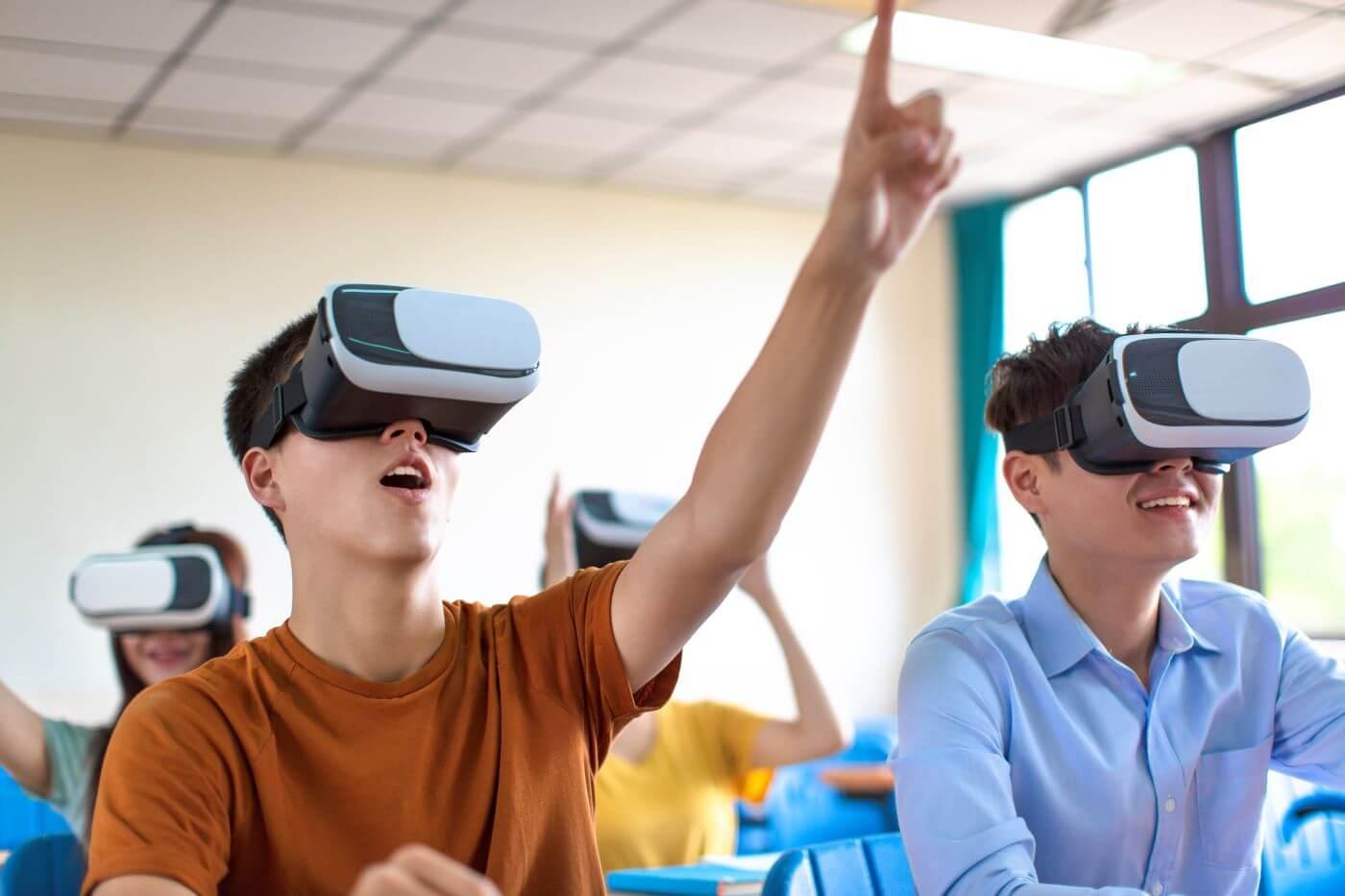
5 Real-World Case Studies of Successful VR/AR Implementations in Schools
Virtual Reality (VR) and Augmented Reality (AR) are transforming the educational landscape, making learning more interactive, immersive, and effective.As more schools adopt these innovative technologies, educators, students, and administrators are seeing tangible benefits, from improved engagement to better learning outcomes. In this article, we present five real-world case studies of successful VR/AR implementations in schools, highlighting the impact, strategies, and practical takeaways for educators looking to incorporate immersive technology in their classrooms.
Why VR and AR Are Revolutionizing Education
Before diving into the case studies, let’s briefly explore the benefits of using VR/AR in schools:
- Enhanced Engagement: Interactive content keeps students motivated and curious.
- Immersive Learning Experiences: Students explore complex concepts and virtual environments hands-on.
- Improved retention: Visual and experiential learning fosters better memory recall.
- Accessibility: VR/AR enables access to experiences and places otherwise unavailable due to cost or distance.
- Collaboration and Inclusion: These tools support diverse learning styles and paces, helping all students succeed.
5 Real-World Case Studies of Successful VR/AR Implementation in Schools
1. A New School, United Kingdom: Immersive History Lessons Using VR
At A new School in London, teachers have leveraged VR headsets to transport students back in time to pivotal ancient events. In one project, Year 8 students walked through the ruins of ancient Rome, interacted with virtual gladiators, and experienced life as a Roman citizen.
Key Outcomes:
- History exam scores improved by 22% in groups using VR experiences compared to control groups.
- Students reported higher enthusiasm and participation during lessons.
- Teachers noted greater retention and understanding of complex topics.
Testimonial: “The chance to ‘walk’ the streets of ancient Rome made history come alive in a way textbooks never could.” — Emily R., Student
2. Pasco County Schools, USA: AR for Interactive STEM Education
In Florida, pasco County Schools introduced AR apps to enhance STEM lessons. Using tablets, students could overlay 3D models of the human heart or solar system onto their desks, manipulating these models for better understanding.
Key Outcomes:
- Science test pass rates increased from 81% to 89% after AR integration.
- Quicker mastery of abstract concepts (like orbital mechanics and DNA structure).
- Students with learning difficulties showed improved comprehension and engagement.
Teacher Insight: “AR turns invisible scientific concepts into something tangible. My students can literally hold the solar system in their hands.” — Ms. Dana Maxwell, Science Teacher
3. Hampton School, mauritius: VR Language Labs for Fluency
Hampton School revolutionized its language curriculum by implementing VR-based conversational practice. Students practiced French and English with AI-powered avatars, simulating real-world interactions in virtual cafés, airports, and hotels.
Key Outcomes:
- Recorded a 36% enhancement in listening and speaking exam scores.
- shy students gained confidence with personalized, low-pressure practice scenarios.
- Reduced language learning anxiety by providing a safe, immersive space for mistakes.
Student Experience: “Practicing with virtual native speakers helped me feel ready for real conversations when I traveled abroad.” — Jean-Marc P.
4. Chicago Public Schools, USA: VR for special Education
Chicago Public schools deployed VR in special education classrooms, focusing on life skills and social scenarios. Students on the autism spectrum practiced crossing streets, shopping, and ordering food in a risk-free, virtual setting.
Key Outcomes:
- Improved real-world skills observed during field trips and community outings.
- Individualized learning plans better tailored to each student’s needs.
- Parents reported noticeable gains in independence and confidence.
Educator Perspective: “For our students, VR bridges the gap between classroom instruction and real-world submission.” — Kimberly L., Special Education Teacher
5. Danish Gymnasium, Denmark: AR for Collaborative project-Based Learning
At a Danish high school (gymnasium), AR was used to facilitate project-based learning in environmental science. Teams of students investigated local ecosystems,gathering data in the field and overlaying AR information (species identification,pollution levels) on their mobile devices.
Key Outcomes:
- Encouraged student-led exploration and collaborative problem-solving.
- resulted in award-winning research projects recognized at national science fairs.
- Students developed 21st-century skills: critical thinking, teamwork, and digital literacy.
Student Reflection: “AR made science real for us—it wasn’t just theory, it was right in front of our eyes!” — Maria S.
Benefits and Practical Tips for Implementing VR/AR in Schools
Based on these case studies, here are some actionable tips for successful VR/AR implementation in education:
- Start Small: Pilot with a single subject or classroom to gather feedback and refine your approach.
- Involve Stakeholders: Get buy-in from teachers, students, and parents early on.
- Choose User-Kind Tools: select VR/AR apps with intuitive interfaces and robust educational content.
- Integrate with Curriculum: Align VR/AR experiences with learning objectives and assessment strategies.
- Provide Training: Support teachers with ongoing professional advancement and peer collaboration.
Implementing immersive technologies can seem daunting, but as the experiences above demonstrate, even modest investments in VR/AR can yield significant educational rewards.
Conclusion: The Shining Future of VR/AR in Schools
The implementation of VR and AR in schools is more than just a trend—it’s a powerful tool for transforming how students learn, retain, and apply knowledge. From language labs and history lessons to STEM exploration and inclusive education, immersive technology is making classrooms more dynamic and equitable.
As these five case studies show,thoughtfully introduced VR/AR solutions can unlock new opportunities for engagement,collaboration,and deep learning. If you’re considering bringing VR or AR into your educational surroundings, learn from these pioneering schools, start with clear goals, and embrace the journey towards a more immersive, innovative learning experience.
Ready to start your classroom’s VR/AR journey? Explore our othre guides, toolkits, and resources on integrating immersive technology in schools for practical support and inspiration.