
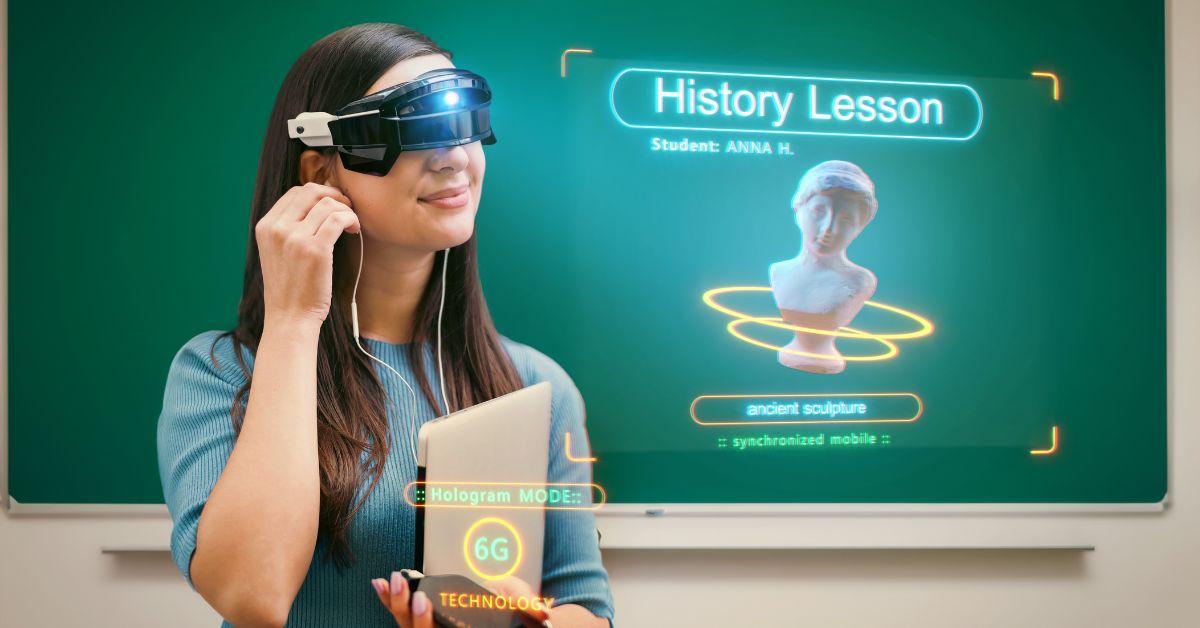
7 Cost-Effective VR Solutions for Schools: Affordable Virtual Reality options for Education
Virtual reality (VR) is transforming classrooms worldwide, offering students immersive, interactive learning experiences.However, budget constraints ofen make educators hesitant to integrate VR technology. Fortunately, there are cost-effective VR solutions for schools that make these powerful educational tools more accessible than ever. In this guide, we’ll highlight the best affordable VR options for education, outline their benefits, and provide practical tips for successful implementation.
Why Consider Virtual Reality in Schools?
The integration of VR in education is more than a flashy new tech trend; it enables teachers to enrich lessons,engage students,and facilitate deeper understanding. Hear are some of the top benefits of VR for education:
- Boosts Engagement: Immersive experiences capture students’ attention and make complex concepts easier to understand.
- Encourages Exploration: Students can visit ancient landmarks, explore scientific phenomena, or tour distant planets, all from the classroom.
- Supports Different Learning Styles: Whether students are visual, auditory, or kinesthetic learners, VR can adapt to diverse needs.
- Collaborative Learning: Many VR platforms support group activities and foster teamwork.
- safe Practice Environment: VR allows for risk-free simulations of risky or expensive processes, such as lab experiments or engineering projects.
What Makes a VR Solution Affordable for Schools?
Selecting an affordable VR solution for schools involves balancing cost, usability, compatibility, and educational content. Here are a few essential factors to consider:
- Initial Hardware Cost: devices should be budget-friendly and scalable for classrooms.
- Software Licensing: Look for educational VR platforms with school or classroom-wide licenses, or free content libraries.
- Ease of Use: Technology should be simple for both teachers and students to set up and operate.
- Durability: Solutions designed for classroom use should withstand frequent handling.
- Content Availability: Seek VR devices that offer a wide range of curriculum-aligned experiences.
7 Cost-Effective VR Solutions for Schools
Ready to make the leap into virtual reality? Here are seven top-rated and affordable VR platforms for education that can fit most school budgets:
1.Google Expeditions (with Google Cardboard)
- Cost: extremely low, as Google Cardboard headsets are under $15 each and many already own compatible smartphones.
- description: Google Expeditions offers guided VR field trips to over 900 destinations, including Mars, the Louvre, and the Great Wall of China.
- Why Schools Love It: Minimal investment, simple setup, and a robust free content library. Perfect for elementary and middle school classes.
2. Merge EDU (Merge VR Headset)
- Cost: Merge VR headsets start as low as $50 and are compatible with a range of devices.
- Description: Merge EDU provides science and STEM-focused VR and AR experiences, including interactive simulations and 3D object explorations.
- Why Schools Love It: Kid-friendly foam construction, a growing app ecosystem, and excellent support for STEAM curricula.
3. Oculus Quest 2
- Cost: Priced from $299, with discounts for educational institutions.
- Description: A standalone VR headset offering access to an extensive library of educational titles, including virtual labs, history trips, and art classes.
- Why Schools Love It: Wireless setup,user-friendly interface,and high performance for a reasonable price point.
4.ClassVR
- Cost: Packages for schools start around $450 per headset (including school support and content licenses).
- Description: Designed specifically for education, ClassVR provides a dedicated device, classroom management tools, and a huge repository of curriculum-aligned content.
- Why Schools Love It: Classroom-focused features, teacher controls, and cloud-based content library are ideal for larger deployments.
5. Veative VR Learn
- Cost: Affordable all-in-one VR headsets from $250, or use with existing smartphones and headsets.
- Description: Specializes in interactive science and mathematics modules for middle and high school students. Features real-time analytics for teachers.
- Why Schools Love It: Strong focus on core STEM subjects, robust reporting, and scalable solutions.
6. Oculus go (Discontinued—Available Refurbished)
- Cost: Refurbished units are often available for $100-$150.
- Description: Though discontinued, the Oculus Go remains a popular entry-level VR option for schools seeking affordable, standalone devices for group learning.
- Why Schools Love It: Wide content catalog, plug-and-play simplicity, and affordability for classrooms with tight budgets.
7. Google Arts & Culture VR
- cost: Free (works with Google Cardboard or similar viewers).
- Description: Take students to world-renowned museums, cultural sites, and events in immersive VR, with teacher guides and interactive tours.
- Why Schools Love It: No additional hardware required, integrates with existing devices, and provides unique cultural learning experiences.
Benefits of affordable VR in Education
Adopting cost-effective VR solutions for schools can have a transformative impact,even on a limited budget. Key benefits include:
- Equity & Accessibility: Affordable VR options make it possible for underserved schools to access modern educational tools.
- Teacher empowerment: Simple devices and curated content enable teachers to easily embed VR into lesson plans.
- Future-Ready Skills: Students gain exposure to advanced technology and digital literacy, essential for the 21st-century workplace.
Practical Tips for Implementing VR in the Classroom
To maximize the benefits of virtual reality in education, consider the following practical tips:
- Pilot Small: Start with a few headsets and a focused subject area to evaluate impact and logistics.
- Utilize Grants & Funding: Seek out grants, PTA support, and district funding earmarked for technology or innovation.
- Train Teachers: Offer professional development sessions to familiarize staff with VR hardware and content.
- encourage Student Leadership: Let tech-savvy students assist peers and teachers as “VR Ambassadors.”
- Integrate into Curriculum: Plan VR lessons aligned with learning objectives, rather than using VR as a stand-alone novelty.
Case Studies: VR Success Stories in Schools
Many schools have successfully implemented affordable VR solutions with impressive results:
- Glenwood Elementary, Virginia: Used Google Expeditions with Cardboard to enhance social studies, resulting in improved test scores and increased enthusiasm for learning.
- harper High School, Illinois: Integrated Oculus Quest 2 headsets into biology and chemistry labs, enabling students to run virtual dissections and chemical experiments safely.
- Lincoln Middle School, Texas: deployed Merge EDU for interactive science lessons, reporting stronger student recall and higher engagement compared to traditional methods.
First-hand Experience: Teacher Perspectives
according to Ms. Jamie Cartwright, a middle school teacher in Ohio: “When we introduced affordable VR headsets, I saw a noticeable shift in student excitement and curiosity. Some students who struggled with textbooks became fully engaged during VR lessons. It’s made a real difference for my classroom.”
teachers frequently report that VR lessons enhance memory retention, spark curiosity, and promote classroom collaboration — all while fitting within tight school budgets.
Conclusion: Bringing Immersive Learning to Every Classroom
Integrating cost-effective VR solutions for schools is now more feasible than ever, thanks to affordable headsets, expansive content libraries, and free educational platforms. Whether you choose Google Cardboard,Merge EDU,or a dedicated VR classroom kit,there is an option for every budget,age group,and subject area.
By thoughtfully adopting affordable virtual reality for education, schools can foster innovative, engaging learning environments that prepare students for the digital future ahead. Now is the perfect time to get started and unlock the power of immersive learning in your classrooms.