
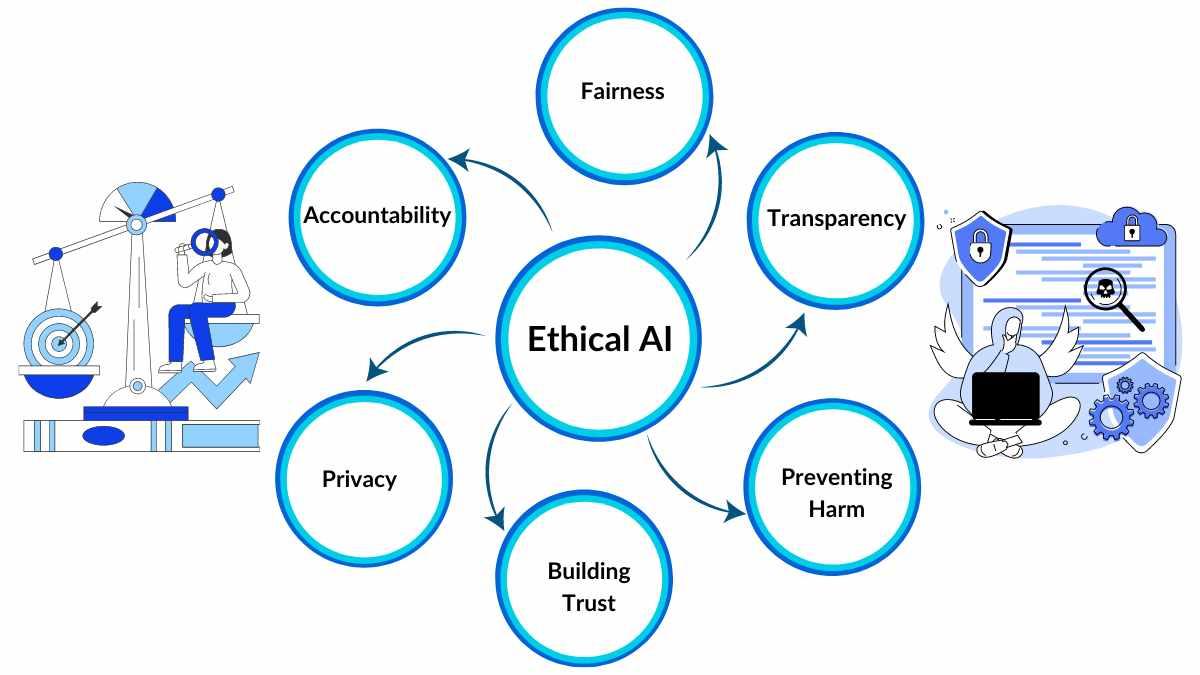
7 Key Ethical Considerations of AI in Education: What Schools Need to Know
Artificial intelligence (AI) is rapidly transforming classrooms, administrative offices, and the learning process itself. From adaptive learning platforms to complex data analysis, AI promises enhanced efficiency, personalized education, and powerful insights. However, the integration of AI in education raises essential ethical questions that schools, educators, and policymakers must address.
In this extensive guide, we’ll explore the 7 key ethical considerations of AI in education to help your school make informed, responsible choices. Whether you’re a teacher, administrator, or parent, understanding these ethical concerns is essential for leveraging AI while protecting students’ rights and well-being.
Benefits of AI in Education
- Personalized Learning: AI adapts materials and pace to individual students’ needs.
- Administrative Efficiency: Automation handles routine tasks, allowing educators to focus on teaching.
- Early Intervention: Predictive analytics can identify students who need additional support.
- Access to Resources: AI can break language barriers and cater to diverse learning styles.
Despite these advantages, it’s crucial to balance innovation wiht ethical responsibility.
1. Data Privacy and security
One of the most meaningful ethical considerations of AI in education is the handling of student data. AI-powered platforms gather vast quantities of sensitive personal information, such as learning habits, behavioral patterns, and even emotional responses.
Key Concerns:
- Data Collection: What data is being collected, and is it essential for the learning objective?
- Consent: Are students and parents adequately informed about how their data will be used?
- Security Measures: How is data protected against breaches or unauthorized access?
Practical Tip: Ensure your school’s AI tools comply with regulations like FERPA, GDPR, and local privacy laws. Regularly train staff on privacy best practices.
2. Bias and Fairness
AI’s decision-making often reflects the data it is trained on, wich can contain past or societal biases. In education, this can lead to unfair treatment of students based on gender, race, socioeconomic status, or learning differences.
Common Examples of AI Bias:
- Tracking students into limited chance paths
- Recommending resources based primarily on biased historical data
- Inequitable grading or assessment outcomes
Practical Tip: Regularly audit algorithms for bias and consult with diverse stakeholders when selecting AI solutions for your school.
3. Clarity and Explainability
It’s crucial for educators and students to understand how AI-driven decisions are made.Lack of transparency can erode trust and make it difficult to challenge or appeal decisions.
Questions Schools Should Ask:
- Can we explain to students and parents how the AI arrives at certain conclusions?
- are the algorithms’ criteria accessible and understandable to users?
Practical Tip: select AI technologies with clear documentation and prefer platforms that offer “explainable AI” models.
4. Student Autonomy and Consent
Students have a right to control their educational journey. Overreliance on AI can reduce opportunities for critical thinking and independent decision making.
- Are students allowed to opt out of AI-driven assessments?
- Is consent for data usage or AI interaction informed and ongoing?
Practical Tip: Build choice into your AI implementations, and offer non-AI alternatives where feasible.
5. Accountability and responsibility
When AI systems make recommendations or decisions, who is accountable for their outcomes? This ethical issue becomes particularly salient when AI is used for grading, disciplinary actions, or identifying students at risk.
- Which human(s) overturn or review AI-driven outcomes?
- is there a clear appeals process for students and parents?
Practical Tip: Establish clear policies that hold humans,not machines,ultimately responsible for educational outcomes.
6. Accessibility and Inclusivity
AI has the power to promote inclusion, but only if deployed thoughtfully. Inequitable access to technology, language barriers, and differing abilities can all be reinforced or alleviated by AI.
- Is AI content accessible to students with disabilities?
- Does your school provide sufficient hardware or internet access to bridge the digital divide?
- Have you considered multilingual and multicultural needs?
Practical Tip: Test AI solutions with diverse users and involve the community in your technology planning.
7. Impact on Teacher-Student Relationships
AI-driven automation can free up educators’ time, but it may also depersonalize the learning experience if not balanced properly.
- Is technology enhancing or replacing vital person-to-person interactions?
- Are teachers empowered to use AI as support tools rather than replacements?
practical Tip: Use AI to augment, not supplant, teachers and focus on tools that facilitate meaningful connections.
Case Study: Ethical AI Integration in Schools
Consider the example of a district in California that piloted an AI-powered learning analytics platform. Early results showed improved student performance, but a subsequent review identified biases disadvantaging English Language Learners. The district paused the rollout, assembled a diverse task force, and retrained the AI system to better reflect and serve its demographic realities. Transparent communication and ongoing audits were key to building trust.
Practical Tips for Schools Adopting AI Ethically
- Develop a clear AI policy: Outline principles, expectations, and procedures for ethical AI use in your institution.
- Involve stakeholders: Regularly consult with students, parents, teachers, and community members.
- Train your educators: Ongoing professional growth on AI’s capabilities and limitations.
- Stay informed: Keep pace with legal and technological changes affecting education technology.
- Monitor and audit: Regularly review AI use for compliance and continual improvement.
Conclusion: building a Responsible AI Future in Education
The adoption of AI in schools holds immense promise, but ethical implementation is essential. By proactively addressing the key ethical considerations of AI in education—from data privacy to student autonomy—schools can harness smart technologies to enhance learning while protecting students’ best interests.
Educators,administrators,parents,and policymakers all play a role in shaping a future where AI empowers and uplifts,rather than endangers or excludes. By prioritizing transparency, fairness, accountability, and inclusivity, your school can be at the forefront of ethical innovation in education.
Is your school ready for the ethical challenges of AI? Start the conversation today and become a leader in responsible education innovation!