
7 Proven strategies for Designing effective Microlearning Modules
Microlearning has emerged as a game-changing approach in the world of digital learning, delivering bite-sized, engaging, and impactful content straight to learners when they need it most. Whether you’re an instructional designer, L&D professional, or corporate trainer, understanding how to design effective microlearning modules is essential for maximizing learner engagement and retention. in this complete guide, we’ll explore 7 proven strategies for designing microlearning modules that captivate audiences and drive real results.
Table of Contents
- Why Microlearning Matters
- Benefits of Microlearning
- Focus on One Learning Objective
- Keep Content Concise and Relevant
- Incorporate Visuals and Interactivity
- Leverage Scenario-Based learning
- Optimize for Mobile Learning
- Encourage Active Participation and Feedback
- Measure Success and iterate
- Practical Tips for Microlearning Design
- Conclusion
Why Microlearning matters
In today’s fast-paced digital age, attention spans are shrinking while the demand for accessible learning is soaring.Microlearning modules align perfectly with these trends by offering short, focused learning bursts that are easy to digest, access, and retain. They deliver just-in-time training and skill development, making them ideal for corporate environments, onboarding, and employee upskilling.
Benefits of Microlearning
- Higher Engagement Rates: Learners are more likely to complete microlearning modules due to their brevity and relevance.
- Improved Knowledge Retention: Breaking content into manageable chunks helps learners retain facts more effectively.
- Flexibility and Accessibility: Modules can be accessed on-demand,across devices,making learning convenient for all schedules.
- Cost-Effective and Scalable: Microlearning is easier and less expensive to update and distribute compared to traditional courses.
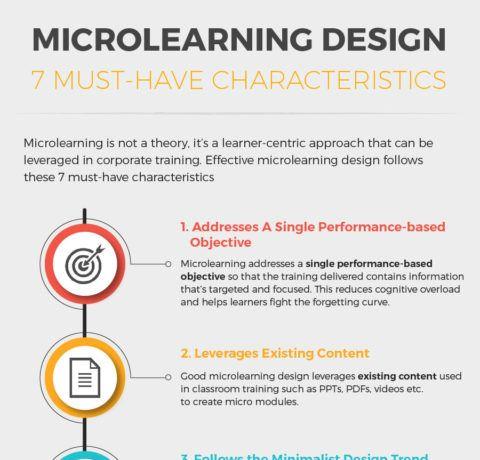
7 Proven Strategies for Designing Effective Microlearning Modules
1. Focus on One Learning Objective
The heart of an effective microlearning module is clarity of purpose. Each module shoudl address a single, well-defined learning objective. This singular focus allows learners to achieve specific skills or knowledge chunks without cognitive overload.
- Define a measurable objective before starting the design process.
- Eliminate unneeded information that does not align with the goal.
- Use action verbs to clarify expected outcomes (e.g., “Identify,” “Apply,” or “Demonstrate”).
2.Keep Content Concise and Relevant
Microlearning is effective because it respects learners’ time. Keep each module between 2-10 minutes to maximize engagement. Remove any tangential information and focus solely on providing value.
- Break complex concepts into smaller, digestible parts.
- Use simple language—avoid jargon unless your audience requires technical detail.
- Provide only “need-to-know” information.
3. Incorporate Visuals and Interactivity
Visual learning accelerates understanding and retention. Combine images, infographics, short videos, and interactive elements to keep learners engaged and facilitate instant comprehension.
- Use icons, charts, and diagrams to visualize data or workflows.
- Embed quizzes, drag-and-drop exercises, or simulations to promote active learning.
- Balance visual and textual elements for varied learning preferences.
4. Leverage Scenario-Based Learning
Scenario-based microlearning immerses learners in real-world challenges. It encourages critical thinking and problem-solving by letting users apply knowledge in context.
- Create scenarios based on common workplace tasks or challenges.
- Pose open-ended questions or branching scenarios to encourage decision-making.
- Offer immediate feedback based on learner choices.
5. Optimize for Mobile Learning
Today’s learners are always on-the-go. Ensuring your microlearning modules are mobile-friendly increases accessibility and completion rates. responsive design and intuitive navigation are must-haves.
- Design layouts that adapt to smartphones and tablets.
- Use larger touch targets for buttons and navigation.
- Ensure media (images, videos) load quickly and display correctly across devices.
6. Encourage Active Participation and Feedback
Engagement soars when learners are involved. Include frequent knowledge checks, short assessments, or discussion boards within modules to promote interaction and reinforce learning.
- Add swift polls or reflection questions after key topics.
- Provide instant,personalized feedback on quizzes.
- Incorporate social learning elements, such as leaderboards or chat forums, for group participation.
7. Measure Success and Iterate
Effective microlearning design is an ongoing process. Use learning analytics to track engagement, completion rates, and assessment scores. Regularly review learner feedback and update content to address evolving needs.
- Set up analytics dashboards to monitor performance metrics.
- Solicit post-module surveys or quick feedback forms.
- Continuously A/B test content variations for improvement.
Practical Tips for Microlearning Design
ready to start creating your own microlearning modules? Here are a few practical tips to keep your microlearning development on track:
- Use Templates: Speed up module creation and ensure branding consistency with design templates.
- Plan for Microassessments: integrate formative assessments frequently to gauge learning progress.
- Chunk Content Logically: Organize related topics into playlists or learning paths.
- Experiment with Gamification: Add badges, points, or progression bars to boost motivation.
- Survey your Audience: Use pre-design surveys to identify learner needs and preferences.
First-hand experience: A Microlearning Case study
A leading technology firm recently shifted their compliance training to a microlearning format. Instead of requiring employees to complete a 2-hour online course, the L&D team broke the content into ten 8-minute modules, each focused on a single compliance topic.
Key outcomes included:
- A 60% increase in training completion rates compared to previous years
- Positive feedback from employees highlighting the convenience and practical request of knowledge
- Higher retention of key compliance concepts, evidenced by post-training assessment scores
This case demonstrates how applying these proven microlearning strategies leads to measurable improvements in both engagement and learning outcomes.
Conclusion
Designing effective microlearning modules requires a strategic approach that blends clarity, relevance, interactivity, and continuous improvement. By following these 7 proven strategies—from focusing on a single learning objective to optimizing for mobile and actively measuring success—you can create microlearning experiences that engage, empower, and inspire learners.
start small, iterate often, and keep the learner’s needs at the core of your design process. When implemented thoughtfully, microlearning not only streamlines corporate training but also delivers measurable business results.
Ready to take your online training programs to the next level? Apply these microlearning design principles to unlock greater knowledge retention, faster skill acquisition, and higher learner satisfaction in your organization.