
Academic Performance Analyst: Key Role, Skills, and Career Insights for Success
Are you passionate about harnessing data and educational technology to drive academic success in schools, colleges, or universities? The role of an Academic Performance analyst is quickly emerging as a pivotal career path in education, blending analytical skills, education expertise, and digital proficiency. This comprehensive guide will cover what the role entails,required skills,career opportunities,benefits,practical tips,and more to help job seekers prepare for success as an Academic Performance Analyst in the education sector.
What is an Academic Performance Analyst?
An Academic Performance Analyst is a key professional responsible for collecting, analyzing, and interpreting students’ academic data to improve educational outcomes. Working closely wiht faculty, administrators, and education technology platforms, these analysts enable evidence-based decisions in curriculum design, policy implementation, and student support strategies.
- Employers: Universities, colleges, K-12 schools, online education providers
- Key focus: Academic achievement, data-driven improvements, predictive analytics
- Tools: Student facts systems, learning management systems (LMS), business intelligence software
Academic Performance analysts bridge the gap between raw data and actionable insights, ultimately supporting better student engagement and institutional success.
Core Responsibilities of Academic Performance Analysts
In the education technology space,Academic Performance Analysts fulfill various purposes that directly impact institutional effectiveness and student success:
- Data Collection & Management: Gathering student grades,attendance,test scores,and engagement metrics from various platforms.
- Analysis & Interpretation: applying statistical methods to evaluate academic trends, identify at-risk students, and measure program effectiveness.
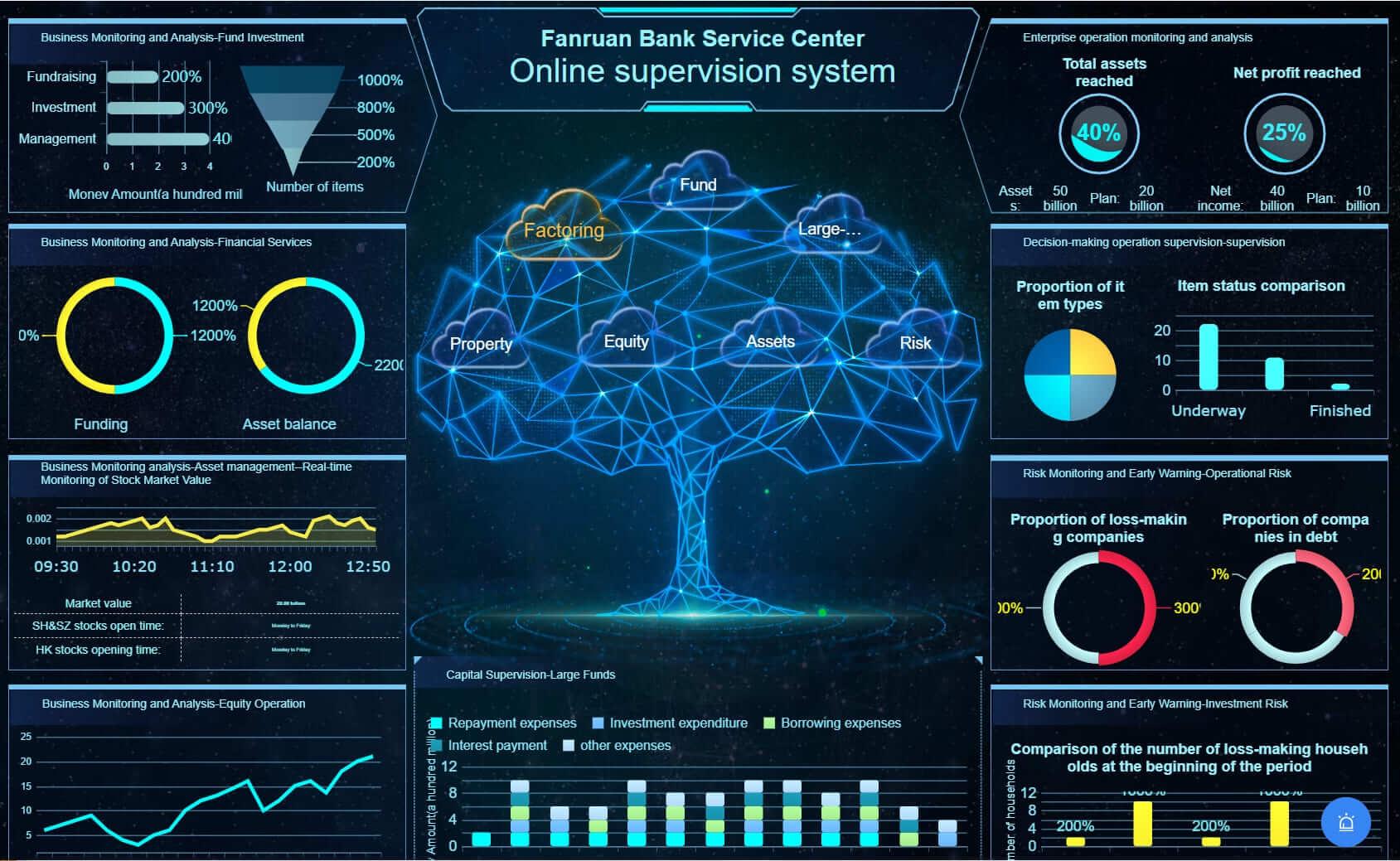
- Reporting: Creating user-pleasant dashboards and detailed reports for faculty, administrators, and policy-makers.
- Predictive Modeling: Using data models to forecast student outcomes and recommend interventions.
- Process Betterment: Working with curriculum developers to optimize teaching methods based on performance evidence.
- Compliance & accreditation: Ensuring data accuracy to support accreditation and regulatory requirements.
These responsibilities require a strategic mix of technical expertise, attention to detail, and interaction skills, making the role both dynamic and rewarding.
Essential Skills for Success as an Academic Performance Analyst
If you’re considering a career as an Academic Performance Analyst, it’s crucial to develop a blend of technical and soft skills to thrive in the education technology landscape:
Technical Skills
- data Analytics: Proficiency with Excel, SQL, Python, R, or SPSS for data cleaning, analysis, and visualization.
- Education Technology: Experience with learning management systems (LMS), student information systems (SIS), and data warehousing tools.
- Reporting Tools: Knowledge of Power BI, Tableau, or google Data Studio for creating dashboards and reports.
- Database Management: Understanding of relational databases and data privacy principles.
Soft Skills
- Communication: Ability to explain complex data insights to non-technical audiences such as teachers or administrators.
- Critical Thinking: Problem-solving skills to draw actionable conclusions and recommend solutions.
- Collaboration: Teamwork with educators, IT staff, and other stakeholders to ensure data-driven decision-making.
- Attention to Detail: Ensuring data accuracy and protecting sensitive student information.
- Project Management: Managing multiple tasks and deadlines, especially during peak academic reporting periods.
Benefits of Becoming an Academic Performance Analyst
The education sector is rapidly embracing technology and data analytics, making the Academic Performance Analyst role both exciting and impactful. here are some key benefits:
- career Advancement: Access to diverse roles such as Data Analyst, Institutional Researcher, or Education Technology Specialist.
- Job Stability: Educational institutions see sustained demand for expertise in data-driven strategies.
- Meaningful Impact: Influence policies and practices that enhance student learning and retention.
- continuous Learning: Ongoing professional advancement with evolving data analytics tools and education technologies.
- Competitive Compensation: Salaries tend to be above average for education professionals,especially with specialized analytics skills.
Career Insights: Advancing in Education Technology
Academic Performance Analysts often begin in entry-level data or research positions, gradually specializing as they build expertise in education analytics. Here’s how you can chart your path:
Entry-Level Roles
- Data Coordinator
- Assessment Specialist
- Research Assistant
Mid-Level and Senior Roles
- Academic Data Analyst
- Institutional Effectiveness Coordinator
- Evaluation Specialist
- Lead Academic Analyst
Specializations
- Predictive Analytics
- Learning Outcome Measurement
- Program Evaluation
- Student Retention Strategy
With advanced experience and certifications, Academic Performance Analysts may progress to leadership roles overseeing institutional research or data governance initiatives at universities or school districts.
Practical Tips for Success as an Academic Performance Analyst
preparing for and excelling in an Academic Performance analyst role requires a strategic, proactive approach. Here are practical tips to guide your career journey:
1. Build a Strong Technical Foundation
- Take online courses in statistics, SQL, and education data analysis.
- Experiment with free versions of data visualization tools like Power BI or Tableau.
- Stay updated on best practices in education technology and data privacy regulations.
2. Gain Hands-On Experience
- Volunteer for academic research projects or data management tasks at your university or school.
- Intern with edtech companies or institutional research offices to learn real-world applications.
3.Network Within the Education Technology Sector
- Attend education technology conferences and webinars to connect with industry professionals.
- Join LinkedIn groups and online communities relevant to academic analytics and institutional research.
4. Enhance Communication and Data Storytelling Skills
- practice translating complex data sets into accessible stories and actionable recommendations.
- Collaborate with educators to ensure your insights are integrated into teaching strategies and policies.
5. Pursue Further Education or Certification
- Consider graduate degrees in education, data science, statistics, or information systems.
- Explore certifications such as Certified analytics Professional (CAP) or specialized data analysis programs for education professionals.
Frequently Asked Questions about Academic Performance Analysts
- What qualifications are typically required?
A bachelor’s degree in education, statistics, computer science, or related fields is common; advanced roles may prefer a master’s degree and specialized certifications. - Where do Academic Performance Analysts work?
Within universities, colleges, school districts, online education providers, and edtech companies. - What is the job outlook?
The demand for skilled analysts in education is increasing as institutions prioritize digital transformation and data-driven improvement. - What are the main challenges?
Managing complex data sets, ensuring student data privacy, and effectively communicating statistical findings to a range of stakeholders.
Conclusion: Charting a future in Academic Performance analysis
The field of education technology is evolving rapidly, and the role of an Academic Performance Analyst sits at its exciting intersection. By leveraging analytical skills and educational insight,you will play a critical part in fostering better learning environments and enhancing academic achievement across schools,colleges,and universities. Whether you’re just starting out or seeking to advance your career, investing in the right skills, certifications, and professional relationships can set you apart in this rewarding and future-proof field. Begin your journey towards becoming an Academic Performance Analyst today, and help shape the future of education through data-driven excellence.