
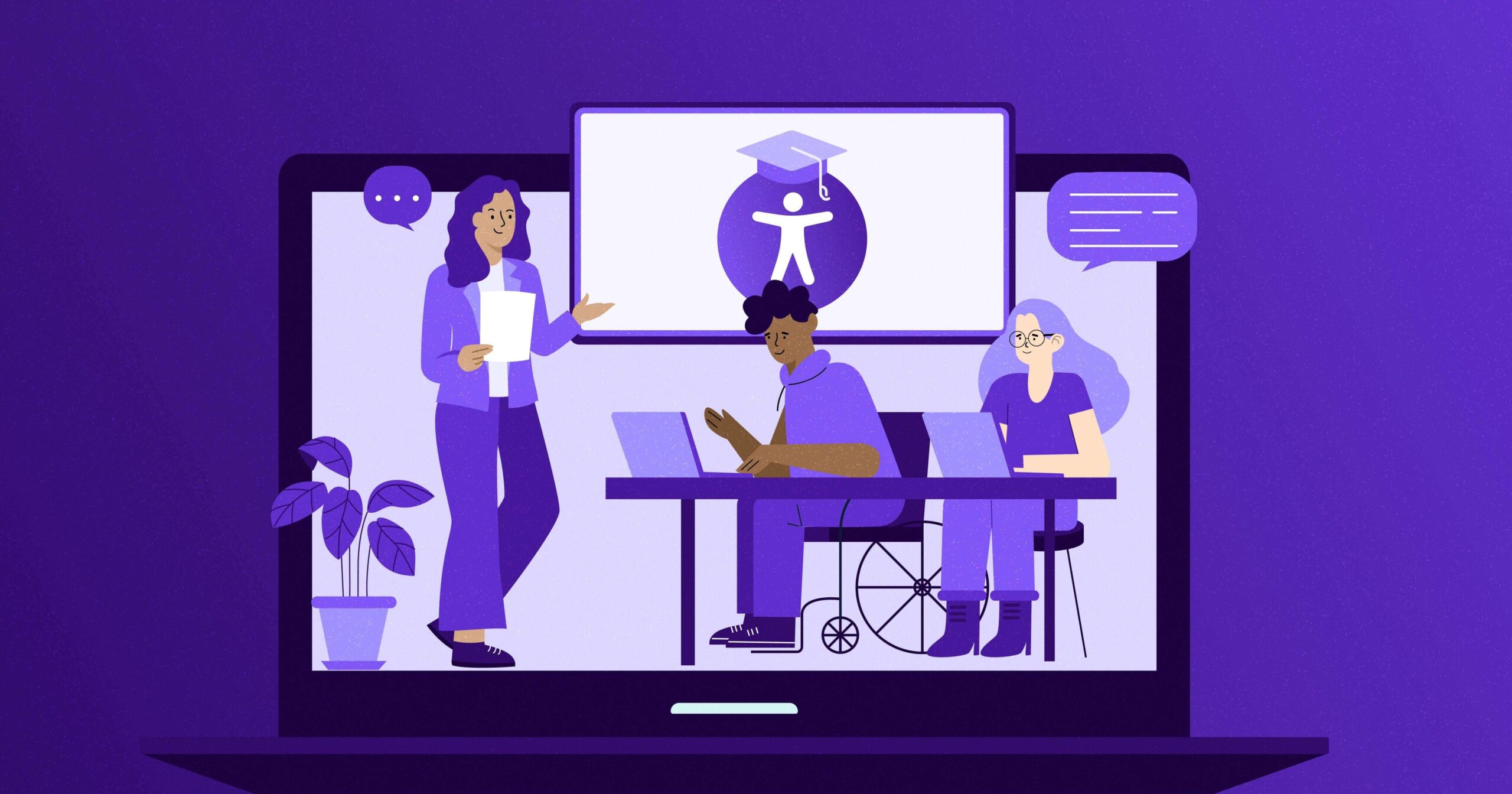
Accessibility Specialist Careers: Essential Learning Tools for Inclusive Success
Accessibility is at the heart of modern education technology—empowering every student, regardless of their ability, to engage and succeed. If you’re passionate about creating inclusive learning environments and curious about job opportunities as an Accessibility Specialist in universities, colleges, or schools, this guide is crafted for you.Dive into the essential responsibilities, required skills, and benefits of an Accessibility Specialist career, plus practical tips for landing your dream role in EdTech.
Introduction to accessibility Specialist Careers in Education Technology
As the push towards inclusive classrooms intensifies, so does the demand for professionals who champion accessibility. Accessibility Specialists in education technology ensure that digital and physical learning resources cater to all, including those with disabilities. This vital role stands at the intersection of technology, pedagogy, and advocacy, paving the way for educational institutions to comply with legal standards and foster a culture of equity and respect. Whether at universities, colleges, or K-12 schools, these experts are essential for the triumphant implementation of accessible learning tools and strategies.
What Is an Accessibility Specialist?
An Accessibility Specialist in education focuses on identifying, adapting, and implementing learning technologies and materials that are usable by everyone. Their mission? To eliminate barriers faced by students with physical, sensory, cognitive, or learning disabilities. The role requires a blend of technical proficiency, pedagogy, and awareness of universal design principles. Responsibilities typically include:
- Auditing and enhancing the accessibility of learning management systems (LMS) and digital content
- Collaborating with instructors and IT teams to integrate accessible technologies
- Training faculty and staff on best practices for accessibility in education
- Testing software, websites, and e-learning platforms for compliance with ADA, WCAG, and Section 508
- Advocating for inclusivity through policy development and campus initiatives
- Offering direct support to students and faculty regarding adaptive tools and resources
Why Accessibility Matters in Education technology
Inclusivity isn’t just a legal requirement; it’s an ethical imperative. accessible educational technology ensures that no student is left behind—regardless of ability.As universities, colleges, and schools integrate more digital resources, accessibility specialists help bridge gaps that may or else limit student engagement, performance, and outcomes. Their expertise supports:
- Improved academic achievement for students with disabilities
- Enhanced user experience for all learners—including those with temporary impairments or language barriers
- Reduced risk of legal non-compliance for academic institutions
- Positive institutional reputation and student satisfaction
Key Skills and Qualifications for Accessibility Specialist Jobs
To excel in an Accessibility Specialist career in educational technology, candidates need a diverse skill set:
- Technical Proficiency: Skilled in testing platforms and using assistive technologies like screen readers, captioning systems, and alternative input devices.
- Understanding of Accessibility Standards: In-depth knowledge of ADA, WCAG 2.1, section 508, and state-specific regulations.
- Instructional Design Experience: Ability to apply universal design for learning (UDL) principles to instructional materials and online courses.
- Dialog & Collaboration: Work effectively with IT professionals, faculty, and students to train and advocate for accessibility initiatives.
- Problem-Solving Abilities: Identify accessibility gaps, troubleshoot technology, and develop creative solutions for unique learning needs.
- Empathy & Advocacy: Commit to supporting diversity, equity, and inclusion in all educational environments.
While some employers prefer candidates with a degree in educational technology, instructional design, computer science, or a related field, many schools and universities value proven experience and certifications such as:
- Certified Professional in accessibility Core Competencies (CPACC)
- Web Accessibility Specialist (WAS)
- IAAP Certified Accessible Document Specialist (ADS)
Typical Workplaces: Universities, Colleges, and Schools
Accessibility specialists can find rewarding employment in a variety of educational settings:
- Universities & Colleges: Collaborate with diverse faculties, ensure campus-wide tech accessibility, and support large-scale e-learning integration.
- K-12 Schools: Focus on early intervention, train teachers, and adapt technologies for developmental appropriateness.
- Online learning Programs: Evaluate asynchronous course materials and manage accessibility for distance learners.
Benefits of Accessibility Specialist Careers in Education Technology
pursuing a career as an Accessibility Specialist offers multiple personal and professional rewards:
- Positive Impact: directly contribute to a more equitable educational landscape,making learning possible for underserved populations.
- Growing Demand: Increasing legal requirements and advances in EdTech have created a steady demand for accessibility professionals.
- Career advancement: Opportunity to advance into leadership roles such as Director of Accessibility or Chief Diversity Officer.
- Professional Development: Continual learning through evolving technologies and best practices in educational accessibility.
- Job Satisfaction: Meaningful work that aligns with social justice and tech innovation in academia.
Practical Tips for Launching Your Accessibility Specialist career
Ready to make a difference in the education technology field? Here’s how to start your journey as an Accessibility Specialist:
- Strengthen Your Technical Toolkit: Learn commonly used assistive technologies and tools. Explore screen readers, captioning software, and web accessibility evaluation tools.
- Get Certified: Pursue recognized accessibility certifications to validate your expertise and open doors in academia.
- Build a Portfolio: Document accessibility audits, user testing, or training sessions you’ve conducted.Show tangible results and your commitment to inclusivity.
- Network in EdTech Communities: Engage with professional groups, conferences, and forums focused on accessible education technology.
- Stay Current: Accessibility standards and technologies evolve rapidly. Subscribe to relevant newsletters, attend webinars, and participate in ongoing training.
- Practice Empathy and Advocacy: Remember, accessibility goes beyond compliance.Champion user-centered design and actively listen to those with lived experiences.
Common Accessibility Challenges in Education Technology
Accessibility specialists encounter several recurring challenges in academic environments:
- Legacy Systems: Older platforms may not support modern accessibility standards, requiring creative retrofitting.
- Faculty Awareness: Continuous training is needed to ensure all staff understand and practice accessibility principles.
- Budget Constraints: Institutions frequently enough face limited resources for accessibility tools and upgrades.
- User Diversity: Every learner is unique and may require individualized support strategies.
Overcoming these obstacles demands collaboration, innovative thinking, and persistent advocacy from accessibility professionals.
Future Trends and Opportunities for Accessibility Specialists
Education technology is evolving, and so are the prospects for accessibility experts:
- AI and Machine Learning: New technologies offer automated accessibility testing, personalized learning adaptations, and intelligent content delivery.
- Universal Design for Learning: UDL principles are increasingly central to curriculum development and digital tool selection.
- Remote and Hybrid learning: The shift to flexible online models heightens the need for robust accessibility support.
- Increased Advocacy: Institutional commitment to diversity, equity, and inclusion ensures long-term demand for skilled specialists.
Access specialist careers offer job security and a chance to lead positive change in the academic community.
Conclusion: Your Path to an Impactful Career in Education Technology
Choosing a career as an Accessibility Specialist in education technology means shaping the future of learning for generations to come. Universities, colleges, and schools are actively searching for dedicated professionals who can develop, audit, and champion accessible tools and practices. With the right skills, certifications, and mindset, you can unlock rewarding opportunities, meaningful impact, and professional growth in the dynamic EdTech sector. Ready to take the next step toward inclusivity and success? Your journey as an Accessibility Specialist starts today!