
Accessibility Specialist – Essential Learning tools for Inclusive Digital Experiences
Introduction: Empowering Inclusive Education Through Technology
the rapid growth of education technology (EdTech) has transformed learning environments in universities, colleges, and schools worldwide. Amid these advancements, ensuring that digital learning experiences are inclusive and accessible to all students—regardless of ability—is more crucial than ever. This is where the pivotal role of an Accessibility Specialist comes into focus. For job seekers passionate about education and technology, pursuing a career as an Accessibility Specialist in EdTech offers the possibility to foster equitable learning for every individual.
What Does an Accessibility Specialist Do?
An Accessibility Specialist primarily ensures that digital content, educational tools, and learning platforms are accessible to students with diverse needs, including those with disabilities. This role is essential for compliance with accessibility standards such as WCAG (Web Content Accessibility Guidelines) and legal requirements like the ADA (Americans with Disabilities Act).
Key responsibilities of an Accessibility Specialist in education technology include:
- Auditing digital course materials, websites, and applications for accessibility compliance
- Collaborating with instructional designers, developers, and faculty to implement best practices for accessibility
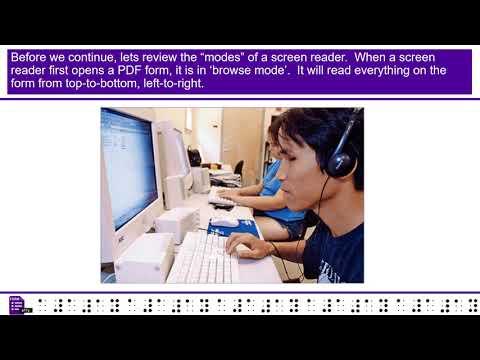
- Advising on the creation of accessible multimedia content, such as captioned videos and screen-reader-friendly documents
- Conducting user testing with assistive technologies like screen readers and voice recognition software
- Delivering training and support for educators and staff on accessibility standards and inclusive design principles
- Staying updated with evolving accessibility legislation and technological solutions
Why Accessibility Matters in Digital Learning
The main objective of an Accessibility Specialist is to break down learning barriers and provide equal opportunities for all students. Inclusive digital experiences not only help institutions meet legal requirements but also foster a culture of diversity and respect. Here are some reasons why accessibility is a critical component of modern education:
- Compliance and Risk Reduction: Adhering to accessibility standards minimizes legal risks for universities,colleges,and schools.
- Expanded Reach: Accessible digital tools ensure that all students, including those with visual, auditory, motor, or cognitive disabilities, can effectively participate in educational activities.
- Improved User Experience: Inclusive design frequently enhances digital experiences for everyone—not just for users with disabilities.
- Promoting Social Inclusion: Ensuring accessibility demonstrates the institution’s commitment to diversity,equity,and inclusion (DEI).
Essential Skills and Qualifications for Accessibility Specialist Roles
Succeeding as an Accessibility Specialist in education technology requires a blend of technical expertise, communication skills, and a genuine passion for inclusive education. While job requirements vary between institutions, the following skills and qualifications are commonly sought after:
- Deep Knowledge of accessibility standards: Familiarity with WCAG, Section 508, ADA, and other local or international accessibility regulations.
- Experience with Assistive Technologies: Understanding of tools like screen readers (JAWS, NVDA), screen magnifiers, voice recognition software, and choice input devices.
- Digital Content Remediation: Ability to analyze and fix accessibility issues in PDFs, multimedia content, LMS platforms, and documents.
- Problem-Solving and Analytical Thinking: Diagnosing accessibility barriers and offering actionable solutions.
- Effective Communication: Explaining technical concepts to non-technical stakeholders, delivering impactful training, and advocating for accessibility throughout the association.
- collaborative Mindset: Working cross-functionally with developers, instructional designers, IT staff, and educators.
- Certifications (Optional but Beneficial): Credentials such as the CPACC (Certified Professional in Accessibility Core Competencies) can enhance your profile.
Benefits of working as an Accessibility Specialist in Education Technology
Choosing a career as an Accessibility Specialist at a university,college,or school can be both professionally and personally rewarding. Here are some benefits you can expect:
- Making a Lasting Impact: Your work directly contributes to breaking down barriers and shaping a more equitable learning landscape.
- High Demand: With digital transformation accelerating in education, the need for accessibility experts is on the rise.
- Continuous Learning: Accessibility is a constantly evolving field, offering opportunities for ongoing professional growth.
- Collaboration and Networking: Work alongside educators, technologists, students, and creative professionals to bring innovative learning solutions to life.
- Job Security and Advancement: as more institutions prioritize accessibility, career advancement opportunities are increasing.
Landing Your Dream Job: Practical Tips for Aspiring Accessibility Specialists
If you’re ready to build a rewarding career as an accessibility Specialist in EdTech, consider these actionable tips to strengthen your candidacy:
1. Build a Strong Foundation in Accessibility Standards
- Enroll in online courses or workshops focused on digital accessibility.
- Stay up-to-date with new guidelines and accessibility tools relevant to education platforms.
2. Gain Hands-on Experience
- Volunteer to audit or remediate digital content for student organizations, nonprofits, or educational departments.
- create a personal portfolio showcasing your accessibility projects and solutions.
3. Network with Industry Professionals
- Attend EdTech conferences or accessibility meetups.
- Join online communities dedicated to digital accessibility and inclusive learning.
4. Customize your Resume and Cover Letter
- Highlight relevant keywords such as “accessibility audit,” “WCAG compliance,” “universal design,” and “digital accessibility.”
- Emphasize any experience working with learning management systems (LMS) and assistive technologies.
5. Prepare for Common Interview Questions
- Be ready to discuss case studies where you advocated for or implemented accessibility improvements.
- Showcase your problem-solving skills and approach to collaborating with multiple stakeholders.
Future Trends: Evolving the Role of Accessibility Specialists
As education technology continues to evolve, the role of the Accessibility Specialist is also expanding.Future trends to watch include:
- AI-Powered Accessibility Tools: Automating accessibility audits and providing instant remediation suggestions with AI technology.
- Personalized Learning Experiences: Leveraging data to tailor content delivery based on individual accessibility needs.
- Broader Scope of Inclusion: Addressing not only physical disabilities but also neurodiversity and situational impairments.
- Collaborative Accessibility initiatives: Forming cross-institutional partnerships to develop and share best practices.
Conclusion: Shaping the Future of Inclusive Digital Education
For passionate job seekers, the position of Accessibility Specialist in education technology offers a unique chance to drive real change in digital learning. By leveraging your technical expertise, advocacy, and collaborative skills, you have the opportunity to ensure that every student—regardless of ability—benefits from an accessible, inclusive, and engaging educational experience.As universities, colleges, and schools continue to integrate technology into their curricula, the need for skilled Accessibility Specialists will only grow. Embrace this critical opportunity to make a meaningful difference in EdTech and join the movement toward a more inclusive future.