
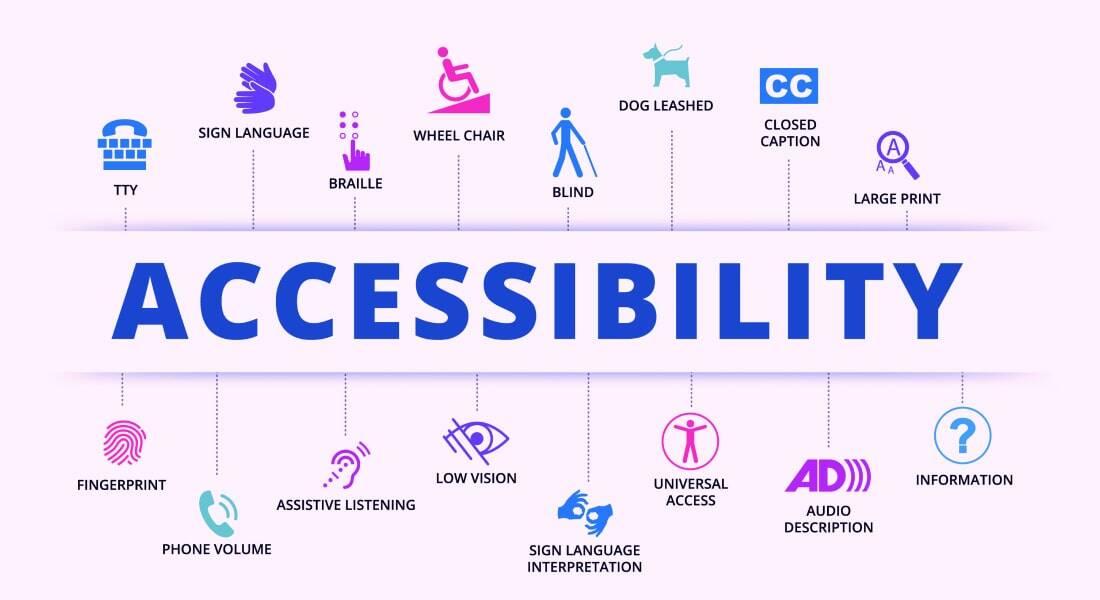
Accessibility Specialist: Essential Learning Tools for Inclusive education
In today’s rapidly evolving education landscape, universities, colleges, and schools are prioritizing inclusivity more than ever before. The role of the accessibility Specialist has emerged as a pivotal profession, ensuring students of all abilities have equitable access to educational technology. If you’re considering a career as an Accessibility Specialist in the field of education technology (EdTech), this comprehensive guide will walk you through the essential skills, responsibilities, benefits, and actionable steps to land your dream role in inclusive education.
What Does an Accessibility Specialist Do?
An Accessibility Specialist in EdTech plays a central role in identifying, developing, and implementing learning tools and technologies that cater to the diverse needs of all students, including those with disabilities. The goal is to create an environment were everyone has a fair chance to participate and succeed.
- Evaluate digital learning content for accessibility and compliance with standards such as WCAG (Web Content Accessibility Guidelines), ADA (Americans with Disabilities Act), and Section 508.
- Collaborate with educators and instructional designers to develop accessible curricula.
- train faculty and staff on accessibility best practices and assistive technologies.
- Conduct accessibility audits on e-learning platforms, websites, and instructional software.
- Advocate for inclusive policies in the adoption of new educational technologies.
Why Universities, Colleges, and Schools Need Accessibility Specialists
The surge in online and blended learning, coupled with legal mandates for digital accessibility, makes the Accessibility Specialist an essential member of any academic team. Without proper accessibility, educational institutions risk excluding students with disabilities, facing legal challenges, and missing opportunities for broader student engagement.
Key Benefits of Hiring Accessibility Specialists in education
- Legal Compliance: Meet federal and state requirements for accessibility, avoiding costly lawsuits and reputational damage.
- Diverse Student Success: Empower students with disabilities to fully participate in academic life.
- Enhanced Reputation: Establish the institution as a leader in inclusivity, attracting students and faculty from diverse backgrounds.
- Improved Learning Outcomes: All students benefit from well-designed, accessible learning materials, not just those with disabilities.
Essential Skills and Qualifications for Accessibility Specialists
Becoming a successful accessibility Specialist at a university, college, or school requires a blend of technical expertise, legal knowledge, and interpersonal skills.
- Proficiency in Accessibility Standards: Deep understanding of WCAG, ADA, and Section 508 guidelines.
- Experience with Assistive Technologies: Familiarity with screen readers, option input devices, captioning tools, and other assistive software.
- Instructional Design Knowledge: Ability to integrate accessibility into curriculum design and digital content creation.
- Strong Communication Skills: Effectively train and advise diverse stakeholders, including faculty and IT staff.
- analytical Abilities: Conduct thorough accessibility audits and translate findings into actionable improvements.
- Project Management Skills: Lead multi-disciplinary teams to implement accessibility initiatives on time and within budget.
- Continuous Learning: Stay updated with advancements in accessibility tools and educational technology trends.
Day-to-day Responsibilities in EdTech Accessibility Roles
As an Accessibility Specialist in education technology, your days will be dynamic and impactful. Here’s what you can expect in this rewarding career path:
- Conducting regular audits of learning management systems, course websites, and instructional videos for accessibility compliance.
- Working with developers and vendors to ensure new educational tools meet institutional accessibility standards.
- Developing training resources and organizing workshops on best practices for accessible digital content.
- Providing feedback to content creators to improve document and media accessibility.
- Staying current with legal updates, accessibility tools, and emerging trends in EdTech.
Essential Learning Tools for Inclusive Education
Accessibility Specialists utilize a wide range of learning tools to foster inclusivity in educational environments. Here are some essential resources:
- Screen Readers: Tools like JAWS and NVDA enable visually impaired students to access digital content.
- Captioning and Transcription Services: Ensures that video and audio content is accessible to students who are deaf or hard of hearing.
- Accessible Learning Management Systems (LMS): Platforms like canvas and Moodle are evaluated and configured to maximize accessibility.
- Assistive Writing Software: Programs like Grammarly, speech-to-text tools, and word prediction software aid students with learning disabilities.
- Alternative Formats: Providing course materials in Braille, large print, audio, and ePub for diverse learning needs.
- Color Contrast Analyzers: Ensures digital content is readable for students with visual impairments, including color blindness.
- Keyboard Navigation Testing tools: verifies that all elements are accessible by keyboard for users with mobility challenges.
How to Become an Accessibility Specialist in Education Technology
Ready to take the leap into an inclusive education role? Here are practical steps for aspiring Accessibility Specialists looking to work at universities, colleges, or schools:
- pursue Relevant Education: Obtain a degree in educational technology, instructional design, computer science, or a related field. Continuing education in accessibility and universal design is highly recommended.
- Gain Experience: Volunteer or intern with disability resource centers, or assist faculty with digital accessibility projects. Real-world experience is invaluable.
- Obtain Certifications: Credentials like the IAAP certified Professional in Accessibility Core Competencies (CPACC) can set you apart.
- Build a Portfolio: Document your work on accessibility audits,training sessions,and accessible content creation. Include before-and-after case studies if possible.
- Network: engage with professional communities and attend conferences focused on EdTech and accessibility within education.
- Stay Current: Follow legal changes and technological developments in digital accessibility as they pertain to educational settings.
Practical Tips for Job Seekers Entering Accessibility Roles
- Tailor Your Resume: Highlight direct experience with EdTech tools, accessibility audits, or universal design projects.
- Showcase Problem-Solving Abilities: Use STAR (Situation, Task, Action, Result) examples demonstrating your impact.
- Master Inclusive Communication: Display your ability to communicate accessibility benefits to both technical and non-technical audiences.
- Develop a Professional Online Presence: Contribute to accessibility discussions on platforms like LinkedIn, and share resources or insights.
- Practice Interview Skills: Be prepared to answer scenario-based questions about accessibility challenges in educational environments.
Benefits of Becoming an accessibility Specialist in education
- Purposeful Work: Make a real difference in the lives of students by championing inclusivity.
- Growing Career field: The demand for accessibility expertise in education is rising rapidly due to legal and ethical considerations.
- Dynamic Work Environment: Collaborate with diverse teams, tackle emerging challenges, and shape institutional policies.
- Competitive Compensation: Accessibility Specialists in higher education and K-12 settings often command strong salaries and benefits packages.
conclusion
A career as an Accessibility Specialist in education technology is both impactful and future-oriented. By leveraging essential learning tools, staying up-to-date with accessibility standards, and bridging the gap between technology and inclusive education, you become a vital asset to any university, college, or school. Whether you’re passionate about accessible course design, legal compliance, or assistive technologies, this role offers purpose-driven work that enhances the educational experience for all.
If you’re an aspiring Accessibility Specialist, focus on developing your technical skills, gaining hands-on experience, and advocating for inclusive practices. By doing so, you’ll be ready to empower institutions and students alike, making inclusive education a reality in the digital age.