
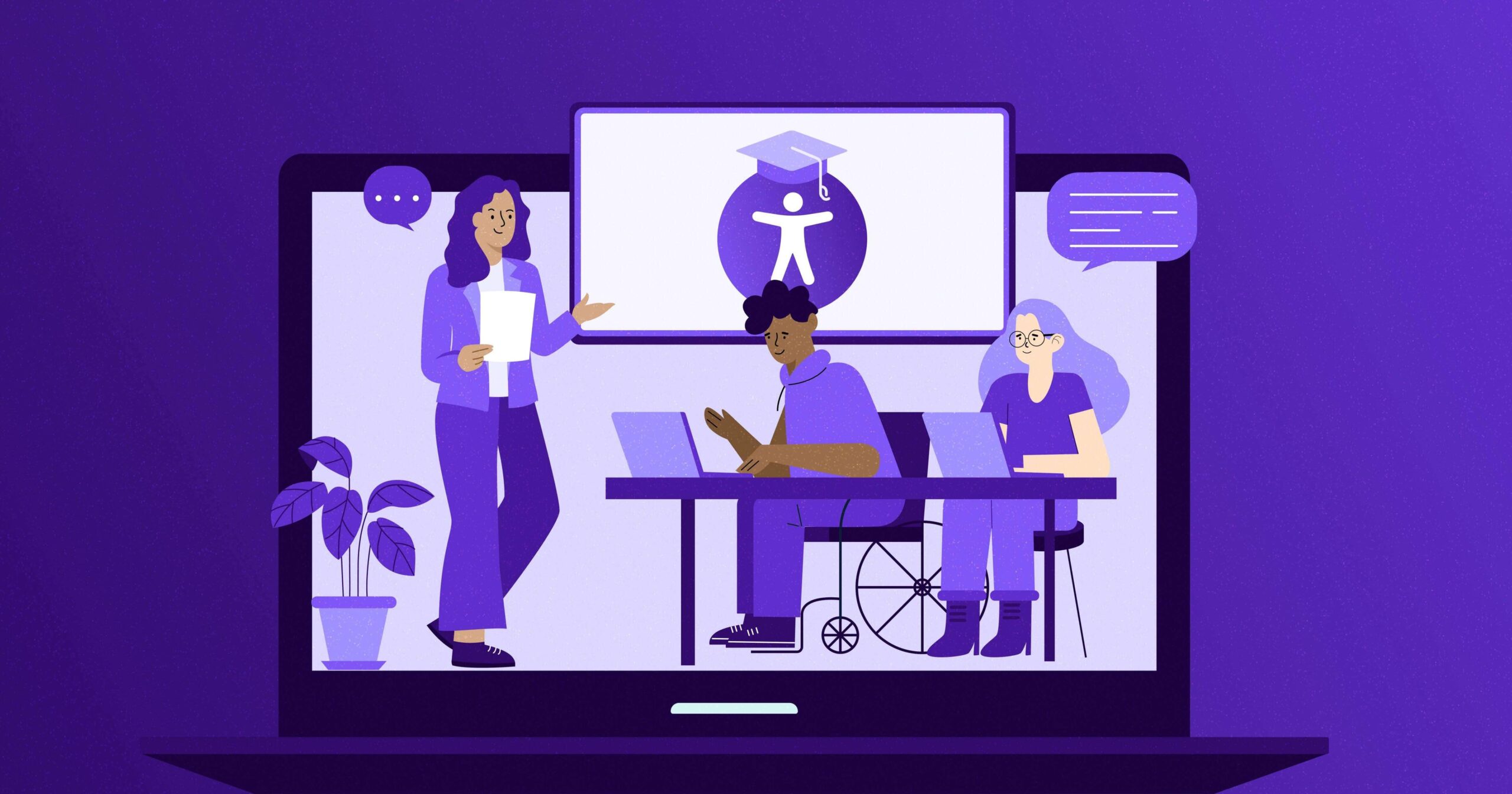
Accessibility Specialist – Essential Learning Tools & Resources for Inclusive Education
Introduction: paving the Way for Inclusive Education in EdTech
The evolution of education technology has revolutionized learning environments at universities, colleges, and schools around the world. Though, the true power of EdTech is harnessed when educational content and resources are accessible to all learners, including those with disabilities. This is where the role of an Accessibility Specialist becomes critical. If you have a passion for equity in education and a knack for technology, exploring career opportunities as an Accessibility Specialist in the education sector might be your perfect path.
What Does an Accessibility Specialist Do in Education Technology?
An Accessibility Specialist in EdTech is dedicated to ensuring that all digital learning tools, platforms, and content are usable by students with various disabilities. This role is crucial in facilitating inclusive education by identifying barriers,developing accessible resources,and training staff and educators on best practices for digital accessibility compliance.
- Collaborating with instructional designers, developers, and educators to enhance digital accessibility
- Conducting accessibility audits of online courses, apps, and digital content
- Implementing solutions that adhere to standards like WCAG, ADA, and Section 508
- Advising on assistive technology integration for students, faculty, and staff
- Providing training and resources to raise accessibility awareness
Essential Learning Tools & Resources for Accessibility Specialists
As an Accessibility Specialist, it’s critically important to be familiar with a range of essential learning tools and resources that foster accessibility and inclusion in education technology. Here’s a closer look at key categories and examples you’ll likely engage with:
Assistive Technologies
- Screen Readers: Tools like JAWS, NVDA, or VoiceOver that convert text to speech for visually impaired users.
- Text-to-Speech (TTS) Software: Solutions that allow learners to listen to digital content.
- Braille Displays: devices that convert text on a screen into Braille output.
- Option Input Devices: Switch-activated devices, eye-tracking technology, and adaptive keyboards/mice for learners with physical disabilities.
resource Growth Platforms
- Accessible Learning Management Systems (LMS): Platforms like Canvas and Moodle that prioritize accessibility features.
- Authoring Tools: Solutions (such as Articulate Storyline or Adobe Captivate) capable of creating accessible e-learning modules.
Assessment and Testing Tools
- Accessibility Evaluation Tools: automated tools (WAVE, axe, Lighthouse) assist in identifying and fixing accessibility barriers.
- User Testing Sessions: Engaging with students with disabilities to test resources in real-world settings.
Guidelines and Compliance Resources
- WCAG (Web Content Accessibility Guidelines): The global standard for digital content accessibility.
- Section 508 & ADA Compliance: Legal requirements for accessible resources in educational settings.
Benefits of Becoming an Accessibility specialist in Education Technology
Choosing a career as an Accessibility Specialist at a university, college, or school offers both personal fulfillment and professional growth. Here are some top benefits of pursuing this impactful role:
- Making a Difference: Directly contribute to equal educational opportunities for all students.
- Growing Demand: Institutions increasingly prioritize accessibility, ensuring strong job prospects and career sustainability.
- Collaborative Environment: Work with diverse teams spanning IT, instructional design, faculty, and student services.
- Continuous Learning: Stay at the forefront of new technologies, legal standards, and pedagogical innovations.
- Job Security: With legal mandates in place, accessibility expertise is a vital and protected field in education.
Key Skills and Qualifications for Accessibility Specialist Roles
To thrive as an Accessibility Specialist in the education technology sector, certain skills and qualifications are highly valued. Below are key competencies and typical requirements for these roles:
- Deep knowledge of accessibility standards (WCAG, ADA, Section 508)
- Familiarity with assistive technologies and accessible design principles
- Ability to conduct accessibility audits and develop actionable recommendations
- Excellent communication and training skills
- Proficiency in relevant authoring tools, LMS platforms, and document accessibility
- Bachelor’s degree in a related field (Education, IT, Special Education, Instructional Design); Master’s preferred for some roles
- Certification in accessibility (such as Certified professional in Accessibility Core Competencies – CPACC) can be beneficial
Practical Tips for Aspiring Accessibility Specialists in Education
Embarking on a career as an Accessibility Specialist in education technology can be an exciting journey. Here are practical tips to set yourself apart and ensure career success:
-
Build Your Accessibility Portfolio:
- Document audits, remediations, or content you’ve made accessible
- Showcase examples in your CV or digital portfolio
-
Network with EdTech Professionals:
- Join accessibility groups, conferences, and local meetups
- Consider professional organizations focused on digital accessibility in education
-
Stay Informed:
- follow updates in laws, standards, and technologies affecting accessible education
-
Learn the Tools:
- Experiment with leading assistive technologies and accessibility audit tools
-
Understand the User Perspective:
- Seek out volunteering opportunities or partnerships to gain hands-on experience from the learner’s viewpoint
Request Insights: Where to Find Accessibility Specialist Jobs in EdTech
Accessibility Specialist roles are available at a range of educational institutions, from world-renowned universities to local community colleges and K-12 schools. Many positions are listed under departments like Instructional Technology, Digital Learning, Disability Services, or Online Education.Look for keywords such as “Digital Accessibility,” “Universal Design for Learning,” “Inclusive Education Specialist,” or “Assistive Technology Coordinator” in job postings.
Be proactive in approaching organizations with a clear value proposition. Demonstrating a portfolio of accessible resources, a solid understanding of both technology and educational needs, and a willingness to keep learning will help you stand out.
Conclusion: Shaping the Future of Accessible Education
The rise of digital learning has brought forward both challenges and incredible opportunities for creating more inclusive education environments. As an Accessibility Specialist,you have the unique chance to bridge the gap between innovation and inclusion,ensuring no learner is left behind. By mastering key tools, remaining connected to legal standards, and continuously advocating for accessibility, you’ll be an integral part of the education technology movement, empowering the next generation of diverse learners. If you’re ready for a purpose-driven, future-proof career, now is the time to step into this vital role in education technology.