
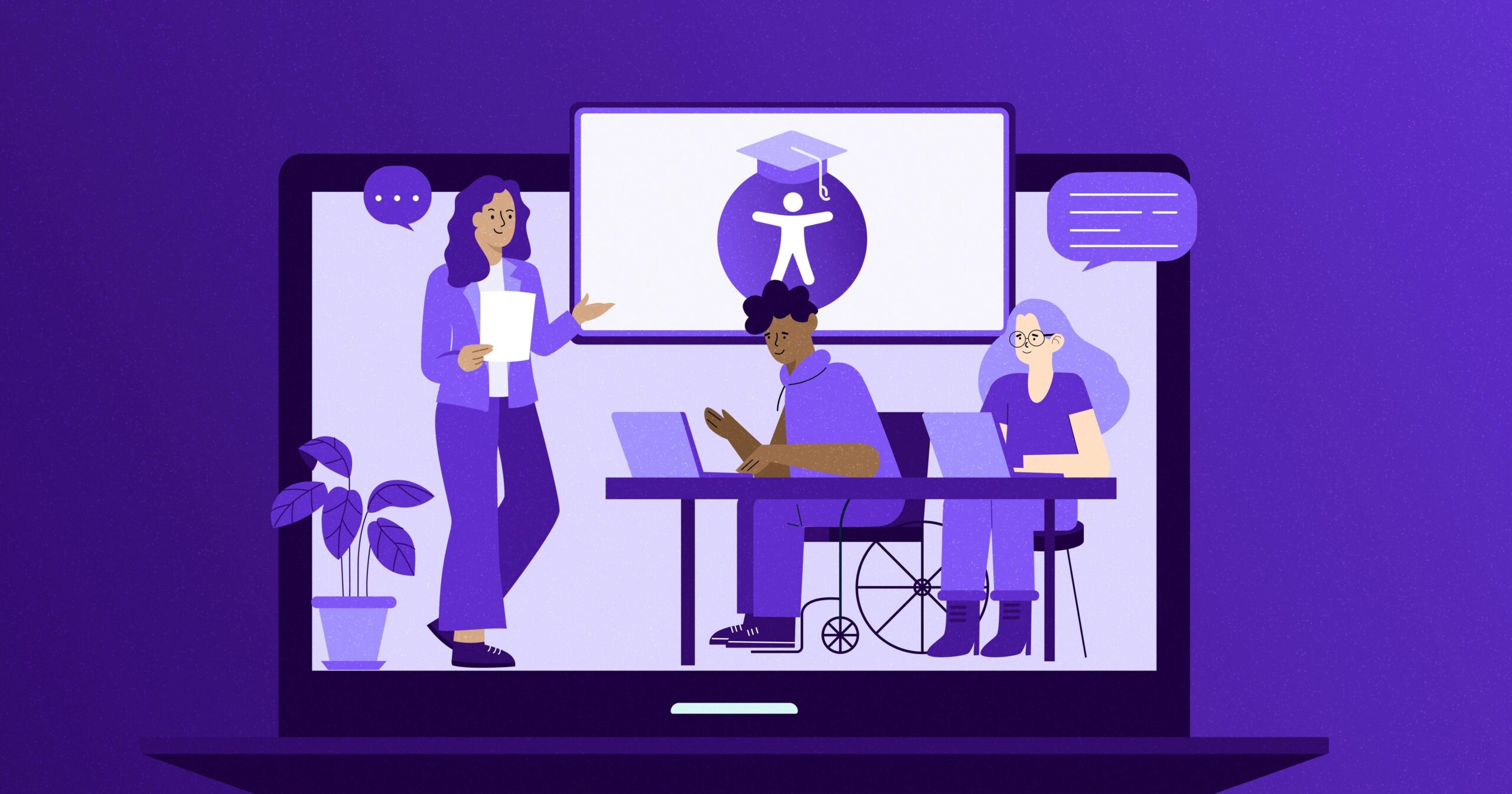
Accessibility Specialist – Essential Learning tools to Enhance Inclusive Education
As the digital transformation of educational environments continues, universities, colleges, and schools are increasingly seeking professionals equipped to ensure that all students have equitable access to learning. Among these sought-after roles, the Accessibility Specialist stands out as a vital position in advancing inclusive education. This article provides in-depth insights for job seekers eager to embark on a career as an Accessibility Specialist in the education technology sector, detailing the required skills, essential learning tools, practical benefits, and tips to make a meaningful impact in higher education and K12 institutions.
What Is an accessibility Specialist in Education Technology?
An Accessibility Specialist in EdTech collaborates wiht educators, instructional designers, IT staff, and administrators to eliminate barriers to learning for students with disabilities. By integrating supportive and accessible learning tools, these professionals create inclusive educational experiences for all learners.Their scope includes:
- Auditing and remediating digital course materials for universal access
- Training faculty and staff on accessibility standards and best practices
- Implementing assistive technologies in classrooms and learning management systems
- Ensuring compliance with legal requirements such as ADA and Section 508
- Partnering to design and evaluate new technology for inclusivity
Why Accessibility Specialists Are Critical in Modern Education
With the rise of digital and blended learning, accessibility has become a cornerstone of equitable education. Accessibility Specialists ensure that:
- All students, irrespective of disability, can access course content equally
- Institutions meet legal and ethical obligations for inclusion
- Learning technologies are usable by students with diverse needs and abilities
- Digital transformation in education leaves no one behind
As colleges and universities increase their reliance on online platforms, the demand for skilled Accessibility Specialists in EdTech has never been greater.
Essential Skills and Qualifications for Accessibility Specialists
If you’re interested in becoming an Accessibility Specialist at a university, college, or school, certain skills and qualifications are essential for success:
- Expertise in accessibility standards: Familiarity with WCAG (Web Content Accessibility Guidelines), ADA compliance, and Section 508 of the rehabilitation Act
- Technical proficiency: Knowledge of screen readers, captioning tools, alternative text for images, and accessible coding practices (HTML, ARIA)
- Instructional design skills: Understanding of Universal Design for Learning (UDL) and ability to advise on accessible course creation
- Problem-solving and adaptability: Capacity to customize solutions for diverse learners and evolving technologies
- Collaborative interaction: Experience in training, advocacy, and working across multiple departments
- Knowledge of assistive technologies: Including Braille displays, voice recognition software, and adaptive keyboards
Many employers require a bachelor’s degree in education, instructional technology, computer science, or a related field. Advanced certifications in accessibility (such as CPACC or WAS) are highly valued.
Essential Learning Tools for Inclusive Education
Accessibility Specialists rely on an evolving suite of learning tools and technologies to foster inclusion in educational settings. Key tools include:
1. Assistive Technologies
- Screen readers (e.g., JAWS, NVDA) – Convert text on screen into speech or Braille
- Speech-to-text software (e.g.,Dragon NaturallySpeaking) – Assists students with motor impairments or dyslexia
- Alternative input devices – Adaptive keyboards and switches for physical accessibility
- Text-to-speech tools – Enable auditory access to written materials
2. Accessible Content Creation Tools
- Captioning platforms (e.g., Amara, CaptionSync) – provide closed and open captions for videos
- Accessible document software – Creating PDF, Word, and PowerPoint files that are fully accessible
- Learning Management Systems (LMS) – Platforms like Canvas and Blackboard offering built-in accessibility features
- Accessibility checkers (e.g., WAVE, axe) – Analyze web content for accessibility issues
3. Universal Design for Learning (UDL) Tools
- Curriculum progress frameworks – Guide the creation of materials that serve varying needs
- Multimodal learning resources – Offer information through text, audio, video, and interactive content
Mastery of these essential learning tools is foundational for an Accessibility Specialist, enabling them to retrofit courses or proactively design accessible digital environments from the start.
Benefits of Working as an Accessibility Specialist in Education Technology
Pursuing a career as an Accessibility Specialist comes with numerous professional and personal rewards:
- High demand in job market – with the rise in online education, edtech expertise and accessibility knowledge are in critical demand
- Purpose-driven work – Directly support the academic success and experience of students with disabilities
- Opportunities for professional growth – Advance to senior roles, consultant positions, or departmental leadership
- Influence institutional culture – Help shape policies, best practices, and ongoing staff training for inclusivity
- Collaboration at the intersection of technology and education – Work with diverse teams to solve complex inclusion challenges
Practical Tips for Job Seekers: starting and Advancing Your Career
1. Build Your Accessibility Portfolio
- Document accessibility audits,redesigned materials,or training sessions you’ve led
- Contribute to open-source accessibility projects or author articles on inclusive EdTech practices
- Earn industry-recognized accessibility certifications to demonstrate expertise
2. Gain Hands-On Experience
- Volunteer with campus disability services or nonprofits focused on inclusive education
- Intern with EdTech companies or university IT departments focused on accessibility initiatives
- Experiment with common assistive tools and adaptive software to understand end-user perspectives
3. Stay Current and Network
- Join professional networks, attend virtual conferences, and participate in workshops on WCAG, UDL, and new EdTech developments
- Subscribe to accessibility forums, newsletters, and digital accessibility blogs for continuous learning
- Engage with faculty, instructional designers, and IT staff to expand your influence and learn about emerging needs
4. Tailor Your Request Strategy
- Highlight your technical skills, experience with learning tools, and any advocacy work in your resume and cover letter
- Showcase your ability to translate legal requirements and technical standards into actionable guidance for academic staff
- Present case studies or portfolios demonstrating measurable improvements to accessibility
Common Interview Questions for Accessibility Specialist roles
- Can you describe a time you identified and resolved an accessibility issue in an online course?
- What is your process for conducting an accessibility audit on digital content?
- How do you keep up to date with changes in accessibility legislation and technology?
- Which assistive technologies are you most familiar with, and how have you implemented them?
- can you explain the principles of Universal Design for Learning and their application in course development?
Conclusion: Accessibility Specialists Empower Inclusive Learning
By championing technology-driven solutions and essential learning tools, Accessibility Specialists play a crucial role in transforming education into a truly inclusive space. Whether at the university, college, or school level, these professionals are vital in leveling the playing field for students with disabilities and advocating for systemic change. If you are passionate about education technology, equity, and inclusion, pursuing a career as an Accessibility Specialist will place you at the heart of the movement to enhance accessible learning for all.
Begin building your career path by developing the technical, instructional, and collaborative skills detailed above.The growth of inclusive education relies on dedicated specialists who understand accessibility’s importance and possess the expertise to implement solutions that make a lasting difference.