
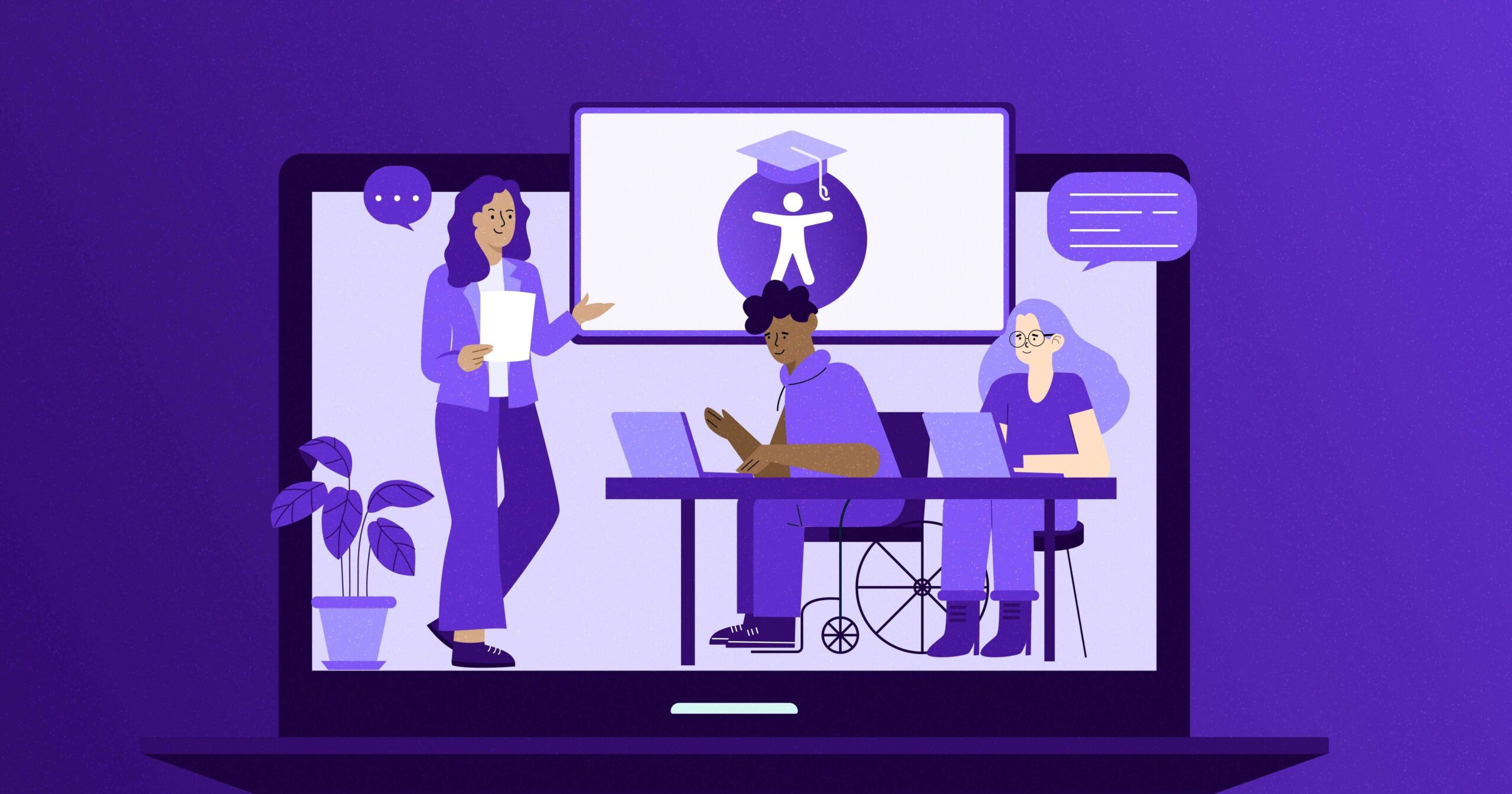
Accessibility Specialist – Transforming Learning Tools for Inclusive Education in EdTech
Are you passionate about inclusive education and digital accessibility? As the world of education technology rapidly evolves, Accessibility Specialists play a crucial role in transforming learning tools to accommodate every student, regardless of their abilities. if you dream of making a meaningful impact on colleges,universities,and schools,this career path might be perfect for you. In this thorough guide, learn how to become an Accessibility Specialist, understand job requirements, discover benefits, and get practical job-seeking tips for a fulfilling career in EdTech accessibility.
What Is an Accessibility Specialist in Education Technology?
An Accessibility Specialist in the context of education technology ensures that digital learning platforms, resources, and tools are designed and maintained to be usable by all students, including those with disabilities. This emerging role bridges the gap between technology, pedagogy, and accessibility, transforming educational environments into inclusive spaces for diverse learners.
Main Responsibilities:
- Evaluating digital learning tools for compliance with accessibility standards such as WCAG,ADA,and Section 508
- Collaborating with instructional designers,software developers,and faculty to embed accessibility features from the start
- Testing e-learning content for usability with assistive technologies (e.g., screen readers, captioning, choice text)
- training educators and staff on accessible content creation and inclusive teaching practices
- Documenting best practices for accessible course design and recommending improvements
- Keeping abreast of emerging trends in educational accessibility and legal requirements
Why Accessibility Matters in Education Technology
With the shift towards digital and remote learning, accessibility in education technology has never been more vital. Students with visual, auditory, cognitive, or motor disabilities rely on accessible digital environments to participate fully in academics. As an Accessibility Specialist, you will:
- Enhance learning outcomes and equity for all students
- Support compliance with legal mandates and institutional policies
- Increase student engagement, retention, and satisfaction
- Advance your institution’s reputation as an inclusive, forward-thinking campus
Key Skills and Qualifications for Accessibility Specialist Jobs
To secure a job as an Accessibility Specialist in education technology at universities, colleges, or schools, you’ll need a unique skill set and background. Here’s what most employers are looking for:
Essential Skills:
- Thorough knowledge of accessibility guidelines (WCAG 2.1, ADA, Section 508)
- Familiarity with assistive technologies and accessibility testing tools
- Technical proficiency in HTML, CSS, ARIA, and web content management systems
- Strong communication and training skills
- Experience with worldwide design for learning (UDL) principles
- Analytical and problem-solving abilities
- Ability to review, audit, and remediate digital content
Educational Requirements:
- Bachelor’s degree in Education, Computer Science, Facts Technology, or related field (master’s preferred for higher ed)
- Certifications in accessibility (such as CPACC, WAS, or IAAP certifications) are a plus
Relevant Experience:
- Previous work in educational technology, instructional design, or disability services
- Experience developing or testing accessible digital content
- Demonstrated commitment to inclusion in education settings
How to Find Accessibility Specialist Roles in EdTech
EdTech accessibility is a growing field, with opportunities in:
- Universities and Colleges: Institutional accessibility offices, academic technology teams, IT departments, online learning divisions
- K-12 Schools: School districts, special education departments, state education agencies
- edtech Companies: Developers of e-learning software and digital curriculum
- Nonprofits and Advocacy Groups: Organizations focused on disability services and education equity
Job Titles to Watch For:
- Accessibility Specialist
- Digital Accessibility Coordinator
- Instructional Accessibility Expert
- Universal Design and Accessibility Consultant
- Learning technologist (Accessibility Focus)
Where to Search for Jobs:
- Official university and college career pages
- Job boards specializing in education and technology roles
- Professional associations for accessibility and EdTech
- Networking at related conferences and industry events
Benefits of Working as an Accessibility Specialist
Pursuing a career as an Accessibility Specialist in education technology brings both personal and professional rewards:
- Meaningful Impact: Directly improve students’ educational experiences and outcomes
- High Demand: Increasing awareness of accessibility needs has made this role essential at all education levels
- Continuous Learning: Stay at the forefront of emerging technologies, legal standards, and pedagogical trends
- Professional Growth: Opportunities to advance into leadership roles, policy development, or specialized consulting
- collaborative Environments: Work with diverse teams including IT, faculty, instructional designers, and disability services
Practical Tips for Landing an Accessibility Specialist Job
-
Build Hands-On Experience:
- Volunteer to audit digital content for accessibility
- participate in accessibility remediation projects
- Contribute to open-source accessibility initiatives
-
Strengthen Your Portfolio:
- Showcase specific examples of accessible content you have designed or improved
- Document your involvement in training sessions or workshops you have delivered
-
Pursue Continuing Education:
- Earn certifications in web and digital accessibility
- Attend webinars, online courses, or bootcamps focused on EdTech accessibility
-
Network Strategically:
- Engage with professional groups focused on accessibility and inclusive education
- Attend conferences and connect with EdTech accessibility leaders
-
Stay Up-to-Date:
- Follow updates on accessibility laws, guidelines, and technologies
- Subscribe to related journals, newsletters, and thought leaders
Sample interview Questions for Accessibility Specialists
- Can you explain your process for auditing an online course for accessibility?
- How do you prioritize accessibility issues when resources are limited?
- Describe a time you advocated for accessibility improvements in a resistant habitat.
- What assistive technologies are you most familiar with and how have you used them in your work?
- How would you train faculty on creating accessible course materials?
Future Trends in edtech Accessibility
The future of accessibility in education technology is promising, with increased attention from institutional leaders, policymakers, and technology developers. Trends include:
- Wider adoption of AI-powered accessibility tools
- Enhanced mobile accessibility standards for learning apps
- Integration of accessibility checkpoints in content management and LMS platforms
- Greater emphasis on user testing with students of all abilities
- Equity-driven policy reforms at district, state, and federal levels
Conclusion: Make a Lasting Difference as an Accessibility Specialist
Pursuing a job as an Accessibility Specialist in education technology at universities, colleges, or schools offers the chance to shape the educational experiences of students from all backgrounds. This role is not only professionally rewarding but also essential for fostering truly inclusive learning environments.
If you’re drawn to advancing equity, innovation, and accessibility within education, now is the perfect time to explore this impactful career path.Begin building your expertise, connect with the EdTech accessibility community, and help transform learning tools for inclusive education—one student at a time.