
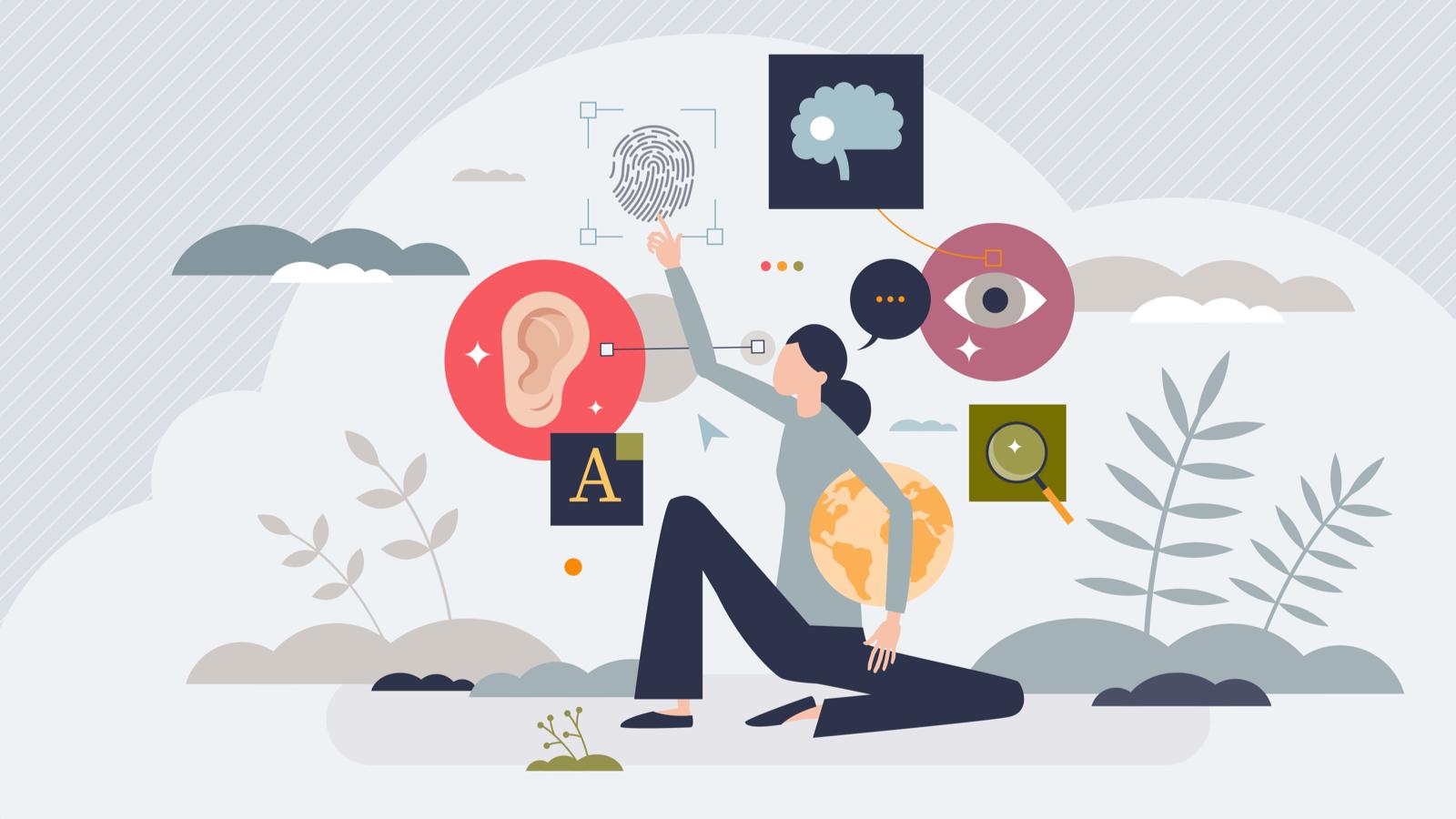
Accessibility Specialist: Unlocking the Power of Learning Tools for Inclusive Education
Are you passionate about ensuring all students have equal access to educational technology? Do you dream of making a real impact in the world of education by creating inclusive learning environments? As an Accessibility Specialist in the edtech landscape of universities, colleges, and schools, you have the unique opportunity to break down barriers, fostering accessibility and equity for every learner. this comprehensive guide will walk you through what it means to be an Accessibility Specialist, the required qualifications, job responsibilities, key skills, the immense benefits of the role, and practical tips to launch yoru rewarding career in inclusive education technology.
What Is an Accessibility Specialist in Education Technology?
An Accessibility Specialist works at the crucial intersection of education, technology, and inclusivity. Their primary duty is to ensure that all digital learning tools, platforms, and resources meet accessibility standards such as the Web Content Accessibility Guidelines (WCAG), enabling students with disabilities to participate fully in education. As higher education institutions, K-12 schools, and colleges embrace technology-enhanced learning, the demand for professionals skilled in digital accessibility has never been greater.
Core mission
- Eliminate barriers in digital learning environments for students with disabilities
- Promote universal design and inclusive teaching practices
- Advocate for accessible education technology
Key Responsibilities of an Accessibility Specialist in EdTech
What does a day in the life of an Accessibility Specialist look like? Weather working for a university, a college, or a school district, these professionals take on critical roles that may include:
- Auditing learning platforms: Testing online courses, LMS (Learning Management Systems), and educational apps for accessibility compliance
- Advising on accessible design: Guiding faculty, developers, and instructional designers on best practices for accessible educational content
- Remediating digital content: Fixing or updating materials such as syllabi, eBooks, videos (captioning/subtitles), PDFs, and web pages
- Conducting accessibility training: Educating staff and students about accessible tools and strategies to foster inclusive learning environments
- Evaluating third-party tools: assessing new edtech solutions for accessibility before adoption
- Staying current on legal compliance: Monitoring updates to accessibility laws (such as ADA, Section 508, or local regulations) that affect education
- Supporting students directly: Helping students with disabilities access and navigate digital resources
Why Pursue a Career as an Accessibility Specialist in Education?
Choosing a career as an Accessibility Specialist offers numerous rewards and growth opportunities. Here are some compelling reasons to consider this impactful education technology job:
- High Demand: With remote and blended learning on the rise,educational organizations are seeking experts to ensure inclusivity in their digital ecosystems.
- Meaningful Work: You play a central role in empowering students of all abilities, ensuring digital equality and reducing disparities in education.
- Career Advancement: Gaining expertise in accessibility can lead to leadership roles such as Digital Accessibility Manager or Director of Inclusive Learning.
- Competitive Compensation: Accessibility specialists in education and technology receive attractive salaries and benefits.
- Professional Growth: Engage with communities of practise, stay updated with cutting-edge accessibility tools, and participate in innovative educational projects.
Essential Skills and Qualifications for an Accessibility Specialist
Ready to step into this crucial role in education technology? Here’s what employers typically look for when hiring an Accessibility Specialist:
Required Education & Experience
- Bachelor’s degree in education, instructional design, computer science, data technology, or a related field (Advanced degrees can enhance prospects)
- Experience in educational technology, digital content creation, or disability services preferred
- Certifications such as Certified Professional in Accessibility Core Competencies (CPACC) or WAS (Web Accessibility Specialist) are highly valued
Key Technical Skills
- Familiarity with WCAG, ADA, Section 508, and other accessibility standards
- Proficiency in using assistive technologies (screen readers, alternative input devices, captioning software)
- Understanding of HTML, CSS, and basic web development for accessibility testing and remediation
- Ability to create accessible documents, LMS content, and multimedia resources
soft Skills and Competencies
- Empathy and passion for inclusive education
- Strong interaction and training abilities
- Detail-oriented approach to test and document accessibility features
- Problem-solving mindset and adaptability in a fast-changing edtech landscape
benefits of Working as an Accessibility Specialist in Schools, Colleges, or Universities
Accessibility Specialists enjoy a variety of unique benefits, especially when working within educational settings. Here’s how the role stands out:
- Making a Difference: Your work directly impacts students,ensuring equal opportunities for those with disabilities.
- Interdisciplinary Collaboration: Collaborate with faculty, technologists, disability support staff, and students for a shared goal.
- Career Longevity: Growing compliance requirements and ethical priorities guarantee job security and advancement.
- Variety of Work: tackle diverse challenges, from testing new mobile apps to launching campus-wide accessibility training.
- Contribution to Global Initiatives: Be part of worldwide efforts to improve inclusive education and digital equality.
How to Become an Accessibility Specialist: Practical Tips for Job Seekers
If you’re aiming to find a rewarding job as an Accessibility Specialist in education technology at universities, colleges, or schools, follow these actionable steps:
1. Gain Relevant Knowledge and Training
- Pursue formal education in instructional design, computer science, or special education
- Complete accessibility-specific certifications (such as CPACC or WAS) to stand out in the job market
- Attend webinars, online courses, and conferences focused on edtech accessibility
2. Build Hands-on Experience
- Volunteer for accessibility committees or diversity/inclusion initiatives at your school or workplace
- Practice remediating digital content—create accessible PDFs, test web pages, and simulate assistive device usage
- Participate in open source or community projects focused on accessible technology in education
3.Develop a Strong Portfolio
- Document your accessibility audits, digital content remediation, or training sessions
- Include before-and-after examples of accessible learning materials
4. Target the Right Employers
- Look for roles labeled as Accessibility Specialist, Digital Accessibility Consultant, Inclusive Learning Specialist, or Assistive Technology Coordinator in higher education job boards
- Don’t hesitate to apply to roles in related areas, such as instructional design or disability services, that have an accessibility focus
5. Master the Application Process
- Highlight your knowledge of WCAG,ADA,and universal design for learning (UDL) in your resume and cover letter
- demonstrate your ability to collaborate,train,and advocate for inclusive education technology
Interview Tips for Aspiring Accessibility Specialists
- Be ready to discuss a digital accessibility assessment you conducted and the impact of your recommendations
- Show awareness of emerging technologies (AR/VR accessibility,mobile learning,AI tools) and their inclusivity challenges
- Express your commitment to equity,diversity,and the continuous advancement of inclusive learning environments
Future Trends in Accessibility and Inclusive EdTech
The education sector is rapidly transforming with emerging technologies. As an Accessibility Specialist, staying informed can boost your long-term employability:
- AI and Machine Learning: Automated tools to check web accessibility and personalized learning accommodations
- Immersive learning Technologies: Inclusion strategies for virtual reality and augmented reality in classrooms
- Universal Design for learning (UDL): Embedding accessibility at every stage of content and platform development
- Global and Local Policy Changes: Adapting to evolving standards for digital accessibility in education worldwide
Conclusion: Empower Every Learner with Inclusive Education Technology
becoming an Accessibility Specialist in education technology lets you spearhead transformative change, making digital learning environments accessible to all students, irrespective of ability. This career path is not just about compliance—it’s about championing innovation, empathy, and educational equity.If you have a passion for both technology and inclusion, consider this high-impact edtech career at universities, colleges, or schools. Your commitment to accessibility can unlock the true power of learning tools and help shape a more inclusive future for education.