
Account Manager in Education Sector: Key Responsibilities, Skills, and Career Opportunities
Are you passionate about bridging the gap between technology and learning? Do you thrive on building partnerships in the education ecosystem? If so, a career as an Account Manager in the education sector—especially within education technology (EdTech) at universities, colleges, or schools—might be the perfect fit for you. This comprehensive guide will walk you through what it means to be an Account Manager in EdTech, the skills required, typical career progression, benefits of the role, and actionable tips for job seekers looking to enter this dynamic field.
Why Account Managers Matter in Education Technology
As technology rapidly transforms classrooms and campuses,the role of the account Manager in EdTech has never been more critical.These professionals serve as the link between innovative technology companies and educational institutions, ensuring that digital tools are effectively adopted and integrated to enhance learning outcomes. Whether working for an EdTech provider or within a university or school’s technology services, Account Managers play a vital part in shaping the future of education.
Key Responsibilities of an Account Manager in the Education Sector
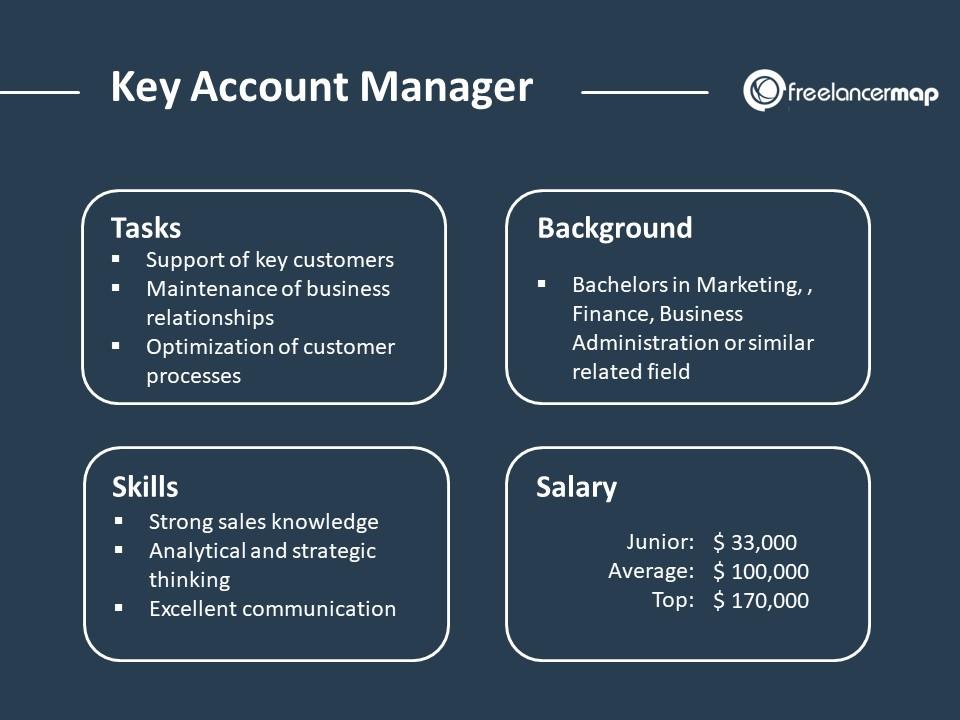
The daily tasks of an Account Manager in education technology are both diverse and impactful. Here are the core responsibilities that define this role:
- Client Relationship Management: Build and nurture strong partnerships with schools, colleges, universities, and district leaders to ensure satisfaction with edtech solutions.
- Needs Assessment: Analyze the specific learning and administrative needs of educational institutions, customizing solutions to match organizational goals.
- Solution Onboarding and Training: Oversee the implementation of education technology products, coordinating onboarding sessions and conducting training for faculty, staff, and students.
- Sales and Revenue Growth: Identify opportunities to expand product adoption,upsell new features,and achieve sales targets to fuel company growth in the education sector.
- Account Portfolio Management: Manage multiple client accounts, track progress, handle renewals, and resolve issues to ensure long-term client retention.
- Feedback and Product Advancement Support: Gather user insights and relay feedback to product and development teams, influencing the future direction of educational technology tools.
- Reporting and Analytics: Use data to provide actionable reports on product usage, engagement, and ROI for stakeholders at educational organizations.
- Cross-functional Collaboration: Work closely with sales, marketing, implementation, and support teams to deliver seamless client experiences.
- Contract negotiation: Handle contract renewals,pricing discussions,and legal agreements with educational clients,ensuring compliance and win-win outcomes.
Essential Skills for Success as an Account Manager in EdTech
A triumphant Account Manager in the education sector blends strong interpersonal skills with an understanding of both technology and the unique landscape of education. Below are crucial skills and qualities for the role:
technical and Product knowledge
- Understanding of digital learning platforms, LMS (Learning Management Systems), classroom management tools, and other EdTech products.
- Ability to explain technical features in simple, educationally relevant terms to non-technical audiences.
Relationship Building & dialog
- Exceptional listening skills to identify client pain points and goals.
- Strong verbal and written communication for presenting to educators and administrators.
- Diplomacy and active engagement in client feedback loops.
project Management & Association
- Ability to manage multiple accounts, projects, and deadlines simultaneously.
- Proficient use of CRM platforms, project management tools, and reporting dashboards.
Sales Acumen and Strategic Thinking
- Identifying upsell and cross-sell opportunities within educational organizations.
- Crafting proposals and developing business strategies tailored for the education market.
Empathy & Problem Solving
- Understanding the operational challenges faced by educators and administrators.
- Providing creative and scalable solutions to facilitate teaching and learning with technology.
Qualifications and Experience
While exact requirements vary by employer, most education technology account manager roles require:
- A bachelor’s degree in education, business, communications, or related field (some employers prefer a master’s degree).
- Experience in customer success, sales, account management, or technology implementation, preferably within education.
- Familiarity with K-12 or higher education systems, decision-making processes, and funding models.
- Strong references demonstrating client-facing expertise.
Career Opportunities and advancement
The career path for an Account Manager in education technology is promising, offering multiple avenues for professional growth. here’s what the typical trajectory can look like:
- Entry-level Roles: Client Success Associate,Junior Account Manager,EdTech Implementation Specialist
- Mid-Level Roles: Account Manager,Strategic Account Executive,Channel Manager
- Senior-Level Roles: Senior Account Manager,Key Account Director,Head of Strategic partnerships
- Leadership Paths: Director of Customer Success,VP of account Management,or even Chief Revenue Officer (CRO) at EdTech firms
Many account managers leverage their experience to move laterally into product management,sales leadership,education consulting,or even launching their own EdTech ventures.
Benefits of Working as an Account Manager in Education Technology
- Impact: Play a direct role in advancing education and transforming how schools, colleges, and universities teach and operate.
- Professional Growth: Develop a versatile skill set in technology, sales, and client relations, opening doors across the EdTech landscape.
- Networking: Build connections with educators, administrators, and technology innovators across education and industry events.
- Variety: No two days are alike—enjoy tackling new challenges across diverse institutions and geographies.
- Competitive Compensation: Enjoy robust salaries, commission, and bonus structures, especially in high-growth EdTech companies.
- Flexibility: Increasingly, these roles offer hybrid or fully remote work arrangements to accommodate work-life balance.
Practical Tips for job Seekers: Landing an Account Manager Role in EdTech
- Research Leading EdTech Companies: Identify organizations that align with your passion—whether it’s K-12, higher education, accessibility, or STEM learning solutions.
- Tailor Your Resume: highlight education-related experience, technical acumen, and measurable achievements in account management or customer success.
- Build Your Network: Engage with EdTech professionals on platforms like LinkedIn and attend education-focused networking events and webinars.
- Showcase Your Knowledge: Demonstrate familiarity with top education technology platforms, teaching trends, and the specific challenges institutions face in digital transformation.
- Prepare for Scenario-Based Interviews: Be ready to discuss real-world scenarios—how you’d handle onboarding a new school, respond to an unhappy client, or champion a product upgrade.
- Pursue Certifications: Consider certifications in project management (PMP), customer success (CCSM), or EdTech specialized courses to stand out.
- Stay Current: Keep up to date with edtech trends, policy changes, and educational innovation through industry blogs, podcasts, and conferences.
Frequently Asked Questions
What is the typical salary for an Account Manager in Education Technology?
Salaries vary by region, company size, and level of experience. Entry-level account managers typically earn between $45,000 and $65,000 annually, while seasoned professionals can earn upwards of $90,000–$120,000, with commissions and bonuses often included.
Is teaching experience required for account management roles in EdTech?
While not always mandatory, teaching or educational administration experience is highly valued by employers. Understanding classroom dynamics and academic priorities helps Account Managers relate effectively to their clients in the education sector.
what tools or software should Account Managers be familiar with?
Key tools include CRM platforms (like salesforce or HubSpot), project management software (Asana, Trello), LMS platforms (Canvas, Blackboard), and analytics dashboards to track adoption and engagement.
Conclusion
The role of an Account Manager in the education sector—especially within education technology—is both rewarding and essential as schools,colleges,and universities continue their digital transformation journeys. If you excel at building relationships, enjoy solving complex challenges, and are passionate about the future of education, this could be an exciting next step in your career.By mastering the essential skills and leveraging the practical tips outlined above, you’ll be well-positioned to make a meaningful impact in the rapidly evolving EdTech landscape.