
Administrative Coordinator Roles in the Education Sector: Key Skills, Duties, and Career insights
As technology transforms the education sector, the demand for skilled professionals in administrative coordinator roles within universities, colleges, and schools continues to grow. Administrative coordinators play a central part in the smooth operation of educational institutions, especially as digital solutions become integral to campus management. If you’re considering a career in education technology with an administrative focus,this comprehensive guide will illuminate the path and provide practical advice for job seekers aiming to become indispensable assets in academia.
Understanding Administrative Coordinator Positions
Administrative coordinator jobs in the education sector blend technology with organizational expertise to support faculty, students, and institutional operations. These roles are increasingly vital as schools and higher education institutions rely on digital platforms for daily management, scheduling, interaction, and data analysis.
What Does an Administrative Coordinator Do?
An administrative coordinator’s daily responsibilities are diverse, but typically include:
- Overseeing scheduling, room bookings, and calendar management for faculty and academic events
- Managing office records, documentation, and data entry utilizing education management software
- Facilitating communication between departments, students, staff, and external partners
- Assisting with onboarding of new staff and students with technology tools and resources
- Supporting the implementation of EdTech solutions such as learning management systems (LMS), digital forms, and campus communication platforms
- Ensuring compliance with institutional policies and data protection guidelines
- Providing logistical support for meetings, workshops, and training sessions
Ultimately, administrative coordinators are the backbone of campus administration—keeping operations efficient, organized, and aligned with institutional goals.
Key Skills Required for Administrative Coordinator Roles
Securing a position as an administrative coordinator in education technology demands a unique blend of technical abilities and interpersonal talents. Below are some of the most sought-after skills for success in this field:
- Technical Proficiency: Familiarity with education management systems, scheduling software, document management, and collaborative platforms (e.g., Google Workspace, Microsoft 365).
- Communication Skills: Ability to interact professionally with students, staff, faculty, and external stakeholders both in-person and digitally.
- Organizational Abilities: Managing multiple priorities, deadlines, and projects with exceptional attention to detail.
- Problem-Solving: Addressing challenges quickly and confidentially, weather related to technology, staff, or logistics.
- Adaptability: Comfortable with rapid changes in EdTech and able to learn new systems efficiently.
- Data Management: Handling sensitive facts securely and accurately, often using student information systems (SIS) and analytics tools.
- Teamwork and Collaboration: Working closely with departments across the institution, sometimes in high-pressure environments.
- Customer Service: Supporting staff, students, and faculty to resolve inquiries and facilitate a positive campus experience.
Certification and training
While not always required, certifications in office administration, project management, or education technology (such as training in popular learning management systems) can provide a competitive edge for job seekers.
Duties and Responsibilities in Education Technology Administration
Administrative coordinators occupy a pivotal role in the adoption and maintenance of technology within academic environments. Responsibilities often include:
- Coordinating classroom and digital resource allocation
- Supporting the integration and troubleshooting of EdTech platforms
- Training faculty and students to use online course tools and digital storage systems
- Compiling and reporting data for accreditation,funding,or regulatory compliance
- Assisting with campus event logistics,including virtual conferences and webinars
- Managing procurement and inventory of technology devices for classrooms or offices
in addition to technical duties,administrative coordinators are crucial for fostering a culture of efficiency and innovation through effective support and communication.
benefits of Working as an Administrative Coordinator in Education
Pursuing an administrative coordinator career in the education sector offers numerous advantages:
- Professional Growth: Opportunities to develop expertise in education technology, project management, and leadership.
- Impactful Work: Contributing directly to the learning and development of students and staff.
- Job Security: Education institutions tend to offer stable careers with competitive benefits and support for ongoing training.
- Collaborative Surroundings: Regular engagement with a diverse group of professionals and stakeholders.
- Flexible Schedule: Many roles offer predictable hours and work-life balance, especially in higher education settings.
Practical Tips for Landing an Administrative Coordinator Job in Education
To boost your chances of securing an administrative coordinator role focused on education technology, consider these practical strategies:
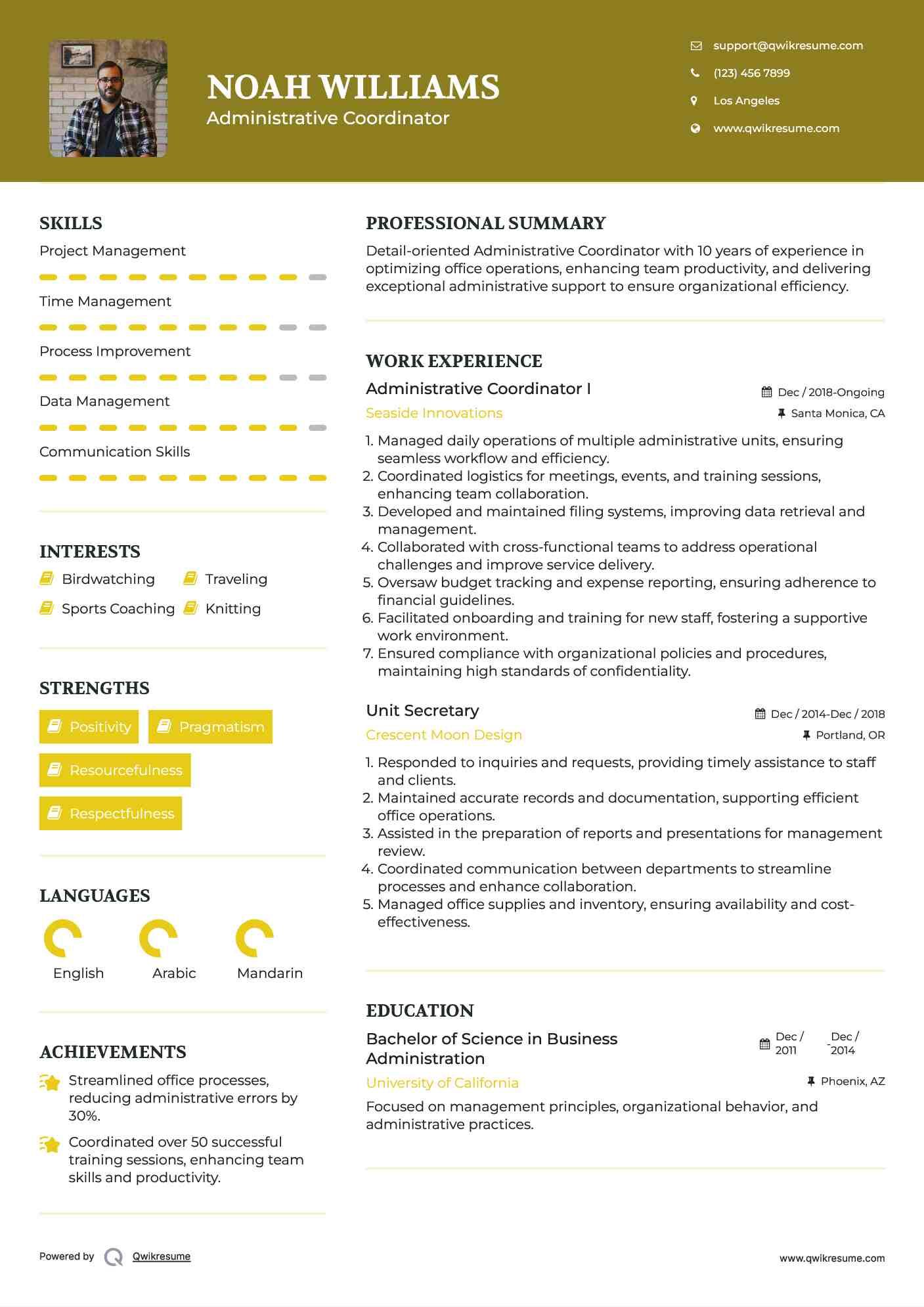
1. Tailor Your Resume for Education Technology Administration
- Highlight experience with office technology, database management, and digital communication tools.
- Showcase achievements in improving processes or increasing efficiency within previous organizations.
- Include relevant certifications, coursework, or special projects in education or information management.
2. Build a Network Within Academia
- Attend education technology conferences, webinars, and local workshops for institutional staff.
- Join professional associations for education administrators or technology coordinators.
- Connect with decision-makers and recruiters in universities, colleges, and schools.
3. Prepare for Technology-Focused Interviews
- Review job requirements carefully and prepare examples that demonstrate your proficiency in digital solutions.
- practice explaining how you’ve used technology to solve administrative challenges or support complex projects.
- Express enthusiasm for learning new systems and adapting to changing priorities.
4. Stay Current With EdTech Trends
- Subscribe to industry newsletters and podcasts to stay updated on new administrative tools and best practices.
- Participate in training sessions or earn micro-credentials in popular education platforms (such as Canvas, Blackboard, or google Classroom).
Career Pathways and Advancement Opportunities
The administrative coordinator role can serve as a valuable stepping stone within the education sector. With experience and continuing education,coordinators may advance to:
- Administrative Manager – Leading office teams and larger projects
- Education Technology Specialist – Implementing and supporting advanced digital platforms
- Academic Department Manager – Overseeing operations for specific programs or faculties
- Institutional Operations Director – Managing broader administrative and strategic initiatives
Those who demonstrate initiative,adaptability,and a willingness to learn often find that education institutions prioritize internal promotions and provide pathways for professional development,such as tuition support or conference attendance.
Conclusion
Administrative coordinator roles in the education sector bring together the best of technology and organization, enabling universities, colleges, and schools to function efficiently and serve students effectively. If you’re drawn to a career that blends digital solutions with meaningful interaction in academic environments, preparing for administrative coordinator positions in education technology is a smart move. Develop your skills, expand your network, and stay informed about the latest EdTech trends—and you’ll be ready to make a lasting impact in this dynamic and rewarding field.
As institutions continue to innovate and rely on technology for daily operations, the value of skilled administrative coordinators will only increase. This is the ideal time to pursue a role where your organizational talents and tech-savvy attitude can help shape the future of education.