
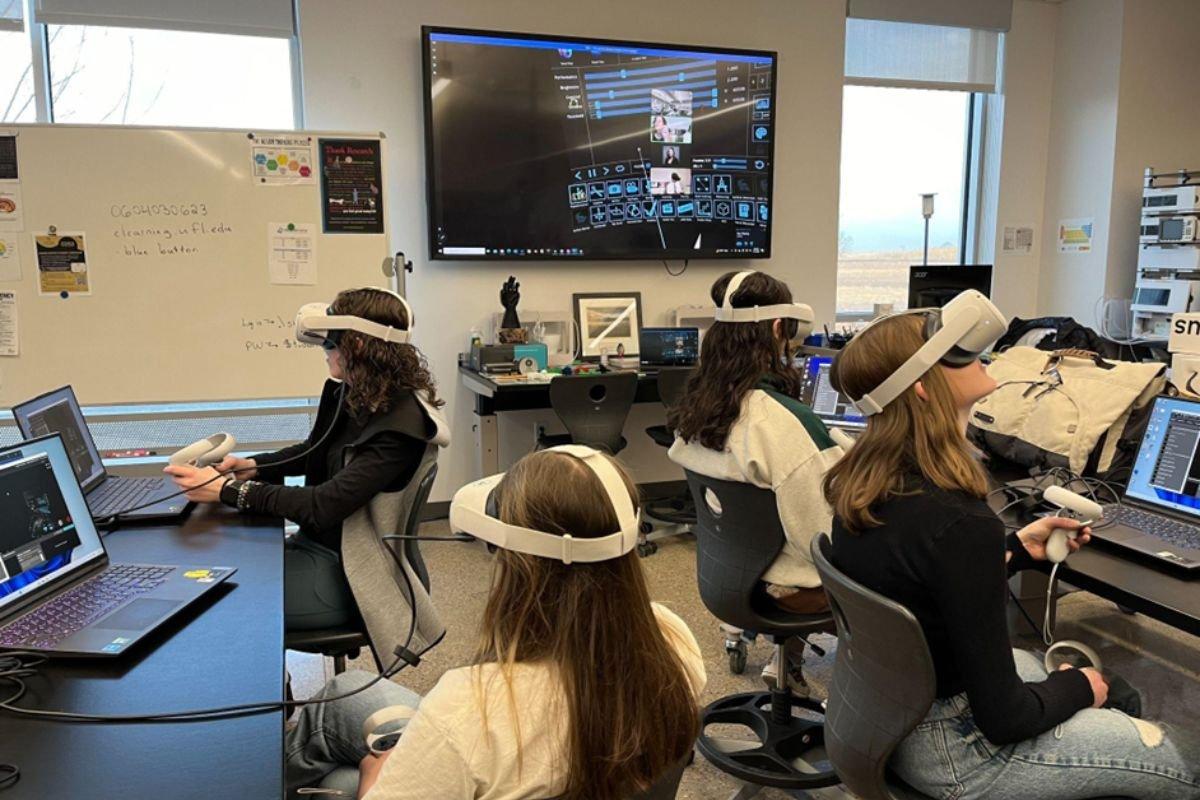
Affordable and Effective: Top Cost-Effective VR Solutions for Schools in 2024
Virtual reality (VR) is revolutionizing education by making immersive learning accessible to students of all ages.As manny schools seek to integrate technology that’s both impactful and budget-kind,finding cost-effective VR solutions for schools has become a top priority. In this comprehensive guide, we’ll explore the top VR options for education in 2024, explain what makes them cost-effective, and share insights into how VR is transforming classrooms worldwide.
Why Virtual Reality in Schools?
Before diving into the best affordable VR tools, let’s examine why VR is becoming a staple in educational environments:
- Enhanced engagement: Interactive lessons captivate students, boosting motivation and retention.
- Immersive experience: VR allows students to explore complex subjects in 3D, making abstract concepts tangible.
- Safe simulations: VR creates risk-free environments for scientific experiments or historical exploration.
- Inclusive learning: Many VR platforms offer multi-language and accessible options, supporting diverse needs.
Top Affordable VR Solutions for Schools in 2024
After thorough research, we’ve identified the leading cost-effective VR solutions for schools that blend affordability, durability, and educational value. Each platform listed below comes highly recommended for classroom and remote learning.
1. Google Cardboard & Expeditions Pro
- Price Range: $10 – $30 per headset
- Why It stands Out: google Cardboard remains one of the cheapest VR options available. When paired with Expeditions Pro, schools can guide students through over 1000 virtual field trips. The simplicity and scalability make it excellent for large groups.
- Best For: K-8 classrooms, schools with BYOD (Bring your Own device) policies
- Special Feature: Requires only smartphones—no expensive hardware needed.
2.Meta Quest 2 (formerly Oculus Quest 2)
- Price Range: $200 – $250 per headset
- Why It stands Out: The Meta Quest 2 is a standalone headset with an extensive library of educational content. Its wireless design, easy setup, and robust parental controls make it a favorite among schools transitioning into immersive learning.
- Best For: Middle to high schools, STEAM labs, and advanced multimedia courses
- Special Feature: Supports collaboration through apps like Engage and Immersed VR.
3. ClassVR by Avantis
- Price Range: Approx. $350 per headset (discounts available for classroom packs)
- Why It Stands Out: ClassVR is designed specifically for education, offering a turnkey solution with dedicated lesson plans, teacher controls, and cloud-based management. Integrated support and ease of use make it worth the investment.
- Best For: Schools seeking an all-in-one solution with curriculum alignment
- Special Feature: Includes analytics for teachers to track engagement.
4. Merge EDU + Merge Cube
- Price range: $20 – $40 for the Merge Cube; subscription plans for Merge EDU
- Why It Stands out: Merge solutions combine affordable AR and VR to let students hold digital objects in their hands. It’s a tactile, interactive approach to science, math, and social studies—requiring only a tablet or smartphone.
- Best For: Elementary and middle schools, STEM classes
- Special Feature: extensive free trials and educator resources.
5.Veative VR Learn
- Price range: Subscription-based, starting as low as $5/student/month
- why It Stands Out: Veative VR offers an affordable, device-agnostic library of curriculum-aligned modules, with a focus on science and math. Schools can use existing hardware or purchase compatible low-cost headsets.
- Best For: Schools looking for scalable, curriculum-driven VR adoption
- Special feature: Analytics dashboard for student progress tracking.
The Benefits of Cost-Effective VR Solutions in Classrooms
- Budget-Friendly Implementation: Modern VR devices are more affordable and durable than ever, reducing the barriers for schools with tight budgets.
- Improved Student Outcomes: Research increasingly shows VR-based instruction can boost test scores, comprehension, and long-term engagement.
- Support for Remote and Hybrid Learning: Most top VR solutions can complement distance education with virtual experiences students can access from home.
- Teacher Empowerment: Platforms like ClassVR and Veative offer robust classroom management tools and lesson plans, minimizing prep work for teachers.
How to Choose a VR Solution for Your School
When selecting a cost-effective VR platform for education,consider the following practical tips to maximize your investment:
- Define learning objectives: Identify subjects,grades,and curriculum goals.
- Assess existing technology: Consider whether you have compatible devices, WiFi bandwidth, or the need for all-in-one headsets.
- Factor in scalability: Choose solutions that can grow with your school’s needs and support multiple classrooms.
- Evaluate content libraries: Look for platforms offering diverse content that matches your curriculum.
- Check teacher support: Opt for VR tools with robust training resources and technical support.
- Prioritize student safety and data privacy: Ensure the vendor complies with data protection standards and offers safe usage guidelines.
Case Studies: Real-World Success Stories
Bridging Gaps in Rural Education (Example: Nebraska, USA)
In 2023, a district in Nebraska equipped its science classrooms with Google Cardboard headsets and Merge Cubes. Teachers reported a 40% enhancement in student engagement and hands-on skills—notably beneficial for rural schools with limited field trip opportunities.
STEAM Innovation in Urban Classrooms (Example: London, UK)
A secondary school in London piloted Meta Quest 2 headsets for advanced biology and history courses. Thanks to VR simulations and collaborative virtual environments,test scores rose by 18%,and students developed strong digital literacy skills.
First-Hand Experience: an Educator’s Perspective
”Introducing VR in our classrooms completely transformed my teaching approach. Using Merge EDU, my students not only understood complex anatomy concepts, but they also retained the knowledge far longer. Even with a modest technology budget, the outcomes have been remarkable.”
– Sarah T., Grade 6 Science Teacher
Integrating VR Into Your Curriculum: Best Practices
- Pilot test first: Start with a small group or subject to evaluate logistics and impact.
- Leverage free content: Many VR platforms offer free trials, open-source curricula, and sample lessons.
- Feedback loops: Collect feedback from teachers and students to adjust your approach.
- Plan for maintenance: budget for software updates, headset cleaning, and hardware replacements.
- Professional growth: Invest in PD sessions to equip teachers with the confidence and skills to maximize VR’s benefits.
Conclusion: The Future of Affordable VR in Schools
In 2024, affordable and effective VR solutions for schools are within reach for institutions of all sizes. Whether you are a small rural district or an urban school with a diverse student body, modern VR technology provides immersive, engaging education at a fraction of the cost once anticipated. By taking a strategic approach—choosing the right technology, integrating it into the curriculum, and supporting your educators—your school can harness the transformative power of virtual reality without breaking the bank.
Ready to bring next-generation learning to your classroom? Explore these top cost-effective VR solutions for schools and prepare your students for a dynamic, digitally-driven future.