
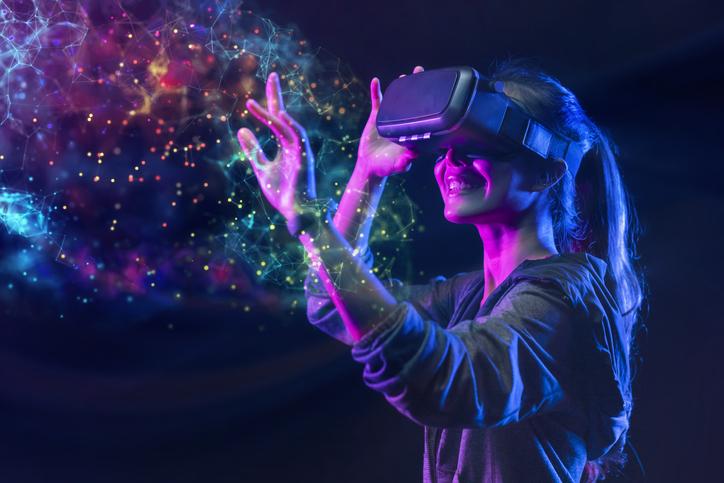
Affordable and Effective VR Solutions for Schools: Enhance Learning on a Budget
Virtual Reality (VR) is revolutionizing education, offering immersive learning experiences that can inspire, engage, and educate students like never before. Yet, many educators believe that integrating VR into schools is a costly endeavor, best suited for well-funded institutions. Fortunately,this does not have to be the case. Affordable and effective VR solutions for schools are now within reach, making it possible to enhance learning experiences on a budget. In this extensive guide, we’ll explore the best strategies, tools, and tips to help educators integrate VR technology without breaking the bank.
Why Choose VR for Education?
VR for schools offers more than entertaining lessons—it transforms conventional teaching methods by making abstract concepts tangible and interactive.Here are key reasons to bring VR technology into the classroom:
- increased Engagement: Students are more likely to be attentive and retain facts through immersive experiences.
- Better Understanding of Complex Concepts: Subjects like science, history, and math become easier to grasp with 3D demonstrations and simulations.
- Accessible Field Trips: VR offers virtual trips to places or else unreachable due to logistical or financial limitations.
- Learning at Individual Pace: VR can offer personalized learning experiences adaptive to each student’s needs.
- Safe Exploration: Simulate hazardous or delicate scenarios in a risk-free environment, from chemistry experiments to space travel.
Top Affordable VR Solutions for Schools
Choosing the right VR setup is crucial, especially when working within school budgets. Here are some cost-effective VR solutions that don’t compromise on educational impact:
1. Google Expeditions and Cardboard
- Platform: Android, iOS
- Price Range: $10-$15 per Google Cardboard headset (smartphone required)
Google Expeditions provides a vast library of virtual field trips and 3D learning experiences designed specifically for K-12 education. Pairing these with affordable Google Cardboard headsets makes VR accessible to virtually any classroom with smartphones.
2. Oculus Quest 2
- Platform: Standalone VR
- Price Range:
$299 $199 (educational discounts often available)
The Oculus Quest 2 is popular for its wireless operation and wide range of educational VR apps. With no need for external computers or sensors, it offers a cost-effective and portable VR experience.
3. ClassVR by Avantis
- Platform: Standalone VR designed for education
- Price Range: Packages starting at $299 per headset, classroom sets available
Specially designed for schools, ClassVR offers age-appropriate VR content, teacher-friendly controls, and device management tools, making it easy to implement at scale.
4. Merge EDU
- Platform: Compatible with most VR goggles,including budget-friendly options
- Price range: Merge cube $19.99, apps vary
Merge EDU combines hands-on mixed reality with interactive lessons. The merge Cube is an inexpensive way to introduce 3D visualization and touch-based learning.
Maximizing the benefits of VR in the Classroom
Effective Ways to Enhance Learning with VR
- Integrate with Curriculum: Choose VR apps and experiences that align with national or state educational standards.
- Project-Based Learning: Use VR scenarios to foster critical thinking, teamwork, and problem-solving skills.
- Supplement,Don’t Replace: VR should complement traditional teaching,providing alternative ways to engage and reinforce learning.
- Professional Development: Train teachers on how to use VR tools effectively for maximum impact.
- Encourage Student Creativity: Let students create their own simple VR content (360-degree photos, short VR stories), fostering digital literacy.
Practical Tips to Save on VR Implementation
- Start Small: Launch your VR initiative with a small pilot program before expanding school-wide.
- Leverage BYOD Policies: Ask students to use their smartphones with low-cost headsets like Cardboard where appropriate.
- Utilize Free or Low-Cost Apps: Explore open-source and educator-backed platforms such as google Expeditions and Thinglink.
- Apply for Grants: Many educational and technology grants are available to help schools adopt emerging tech like VR.
- Share Resources: Coordinate with neighboring schools or across your district to purchase equipment in bulk or share devices.
Real-World Examples: VR success on a Budget
Need proof that affordable VR can work in every kind of school? Here are a couple of success stories:
Case Study: Small Rural School Makes Big Strides With Google Cardboard
In rural Minnesota, a K-8 school implemented Google Expeditions using donated smartphones and $10 Cardboard viewers. The result? Students “traveled” to ancient egypt, explored ocean life, and even toured NASA. Teachers noted an increase in class participation and comprehension, especially among visual learners.
Case Study: Inner-City Schools Level Up with Oculus Quest 2
Thanks to an education foundation grant, several inner-city schools in Detroit introduced the Oculus Quest 2 for STEM programs. Students engaged in hands-on simulations in chemistry and physics, and test scores improved, notably in problem-solving tasks. Teachers highlighted the ease of setup and the broad selection of free and low-cost educational apps.
first-Hand Experience: Teacher Testimonial
“At first, I was apprehensive about the cost and complexity of VR in our classrooms. But starting with just five Cardboard headsets and using student smartphones, we were able to bring our sixth graders into the heart of the solar system. Their excitement was palpable, and I’ve never seen students so engaged with science topics before. Today, we use VR regularly, and even our less tech-savvy teachers feel confident leading VR lessons.”
— Mrs. Sandra King, Middle School Science Teacher
Frequently Asked Questions (FAQs) on VR for Schools
Is VR safe for children?
Yes, when used appropriately and in moderation. It’s recommended that sessions last no more than 15-20 minutes at a time, especially for younger students.
Do we need high-end computers for VR?
not always. Many solutions like Google Cardboard and Oculus Quest 2 are standalone VR devices that do not require computers.
Are there free VR resources for schools?
Absolutely.Platforms like Google Expeditions and Thinglink offer a variety of free VR experiences and educational resources.
Conclusion: Embrace Affordable VR to Transform Learning
With the arrival of affordable and effective VR solutions for schools, price is no longer a barrier to transforming education. Budget-friendly VR platforms and practical strategies can help every classroom unleash the power of immersive learning, making lessons more engaging, memorable, and tailored to each student’s needs. by taking small, smart steps and leveraging the options outlined in this article, your school can confidently implement VR technology—without breaking the bank. The future of education is immersive, and it’s accessible today!