
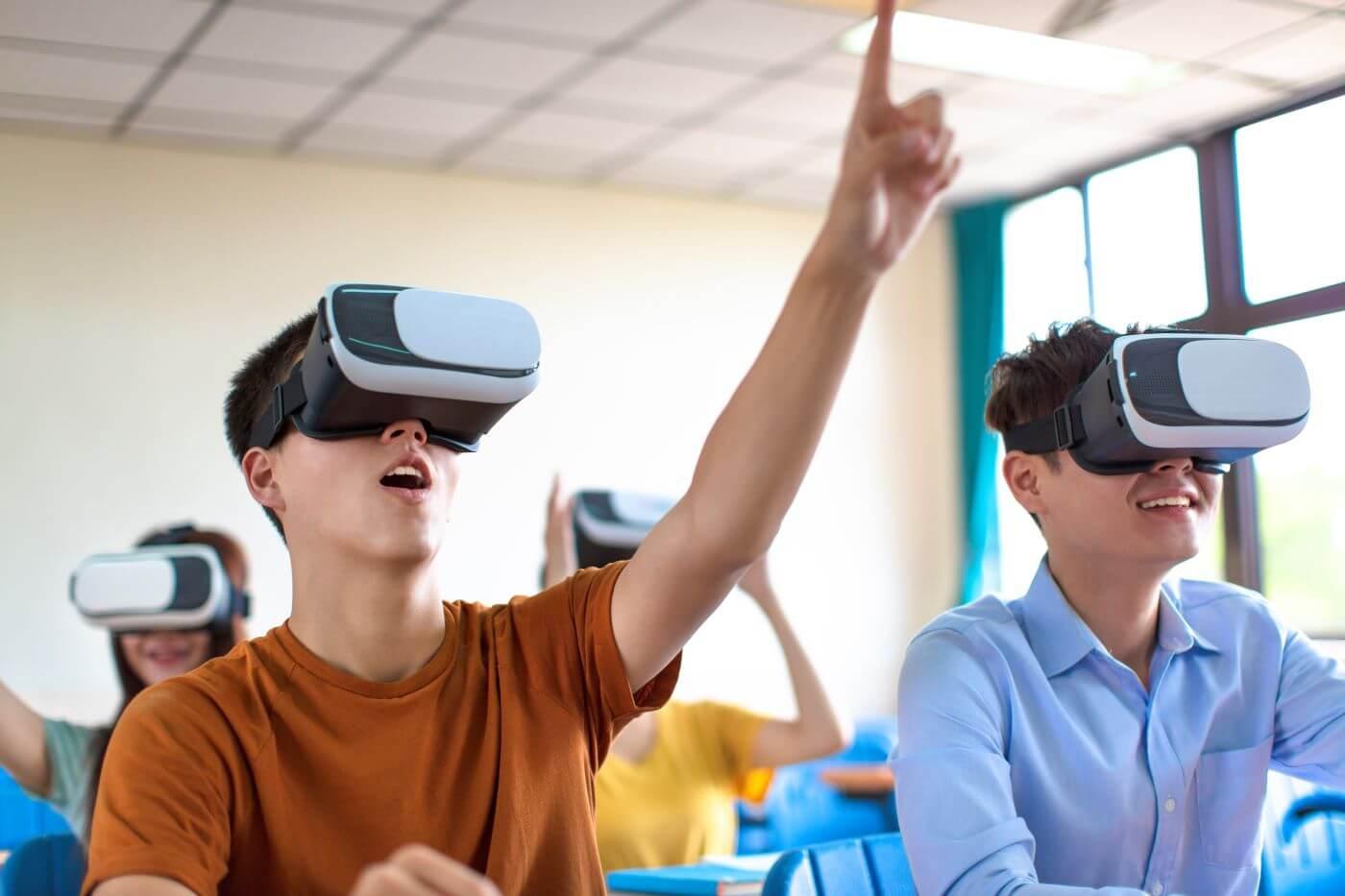
Affordable and Innovative VR Solutions for Schools: Cost-Effective Options for Educational Success
Virtual Reality (VR) is transforming classrooms around the world, offering immersive and interactive learning experiences. For schools seeking to boost student engagement and success, affordable VR solutions are now more accessible than ever. In this extensive guide, we’ll explore cost-effective VR options, their educational benefits, practical tips for implementation, and real-world success stories. Read on to discover how your school can leverage innovative VR technology to drive educational excellence without breaking the budget.
Why VR in Education? The Key Benefits for Schools
The integration of virtual reality in schools goes beyond novelty—it’s a powerful tool for enhancing comprehension,retention,and excitement for learning. hear’s how cost-effective VR solutions can transform education:
- Enhanced Engagement: Interactive 3D environments enable students to participate actively in lessons, rather than passively consuming facts.
- Deeper Understanding: Complex concepts,like the solar system or molecular biology,become tangible and easier to grasp through immersive visualization.
- Inclusivity: VR offers alternative learning modes, supporting students with different learning preferences and needs.
- Safe Exploration: Students can conduct virtual science experiments or visit historical landmarks without leaving the classroom.
- Collaboration: Many VR platforms promote teamwork,communication,and problem-solving skills.
- Inspiration: VR fosters curiosity and excitement about STEM, the arts, and more.
Types of Affordable VR Solutions for Schools
Not all VR requires expensive hardware. Here are some cost-effective VR options for educational use:
1. Smartphone-Based VR Headsets
- Google Cardboard and Similar Viewers: Ultra-low-cost headsets (under $20 each) that transform any smartphone into a VR device. Compatible with thousands of free and paid educational apps.
- Pros: Inexpensive, lightweight, easy to deploy on a larger scale.
- Cons: Requires students to have access to smartphones; limited interaction compared to high-end VR.
2. All-in-One Standalone VR Headsets
- Meta Quest 2 (formerly Oculus Quest 2): A popular standalone VR device, often found for under $300. No PC or phone required, plenty of educational content available.
- Pico G2 and HTC Vive Focus: Other affordable standalone headsets suited for classrooms, typically starting around $300-400 per unit.
- Pros: Greater immersion, untethered, user-kind, more reliable for repeated classroom use.
- Cons: Higher up-front cost per headset, though frequently enough cheaper than customary desktop VR.
3. Desktop VR with Budget-Friendly PC Hardware
- Windows Mixed Reality Headsets: Compatible with lower-cost laptops/desktops and offer a good range of educational experiences.
- pros: High interactivity; suitable for computer labs.
- Cons: Needs a supporting PC, higher setup and maintenance costs.
4.Browser-Based VR Experiences
- WebVR and Google Expeditions (now merged into Google Arts & Culture): Access VR content via web browsers, often free and compatible with basic headsets.
- Pros: No special hardware; ideal for introductory VR experiences.
Popular VR Software & Educational Content
To maximize the impact of VR in schools,high-quality educational content and software are essential. Here are some top choices:
- ClassVR: Offers a classroom management portal,curriculum-aligned content,and support for educators.
- Google Arts & culture Expeditions: Take students on virtual field trips to museums,outer space,and more.
- ZSpace: Interactive science labs and STEM resources for elementary through high school.
- VR Biology and Chemistry Labs: Affordable apps let students practice lab skills safely and repeatedly.
- Tilt Brush & Quill: For creative arts integration, these apps allow students to paint and sculpt in 3D.
Most of these platforms offer educator discounts, classroom bundles, or free trial periods, making them accessible for budget-conscious schools.
Real-World Case Studies: Affordable VR in Schools
Curious how cost-effective VR solutions work in practice? Here are inspiring examples from classrooms worldwide:
Case Study 1: Google Expeditions in Rural Schools
A group of rural middle schools introduced Google Cardboard with recycled smartphones. Students virtually toured ancient Egypt and the International Space Station, dramatically improving engagement and test scores in world history and science topics—at less than $15 per student.
Case Study 2: Meta Quest 2 for Biology Labs
An urban high school adopted Meta Quest 2 headsets to supplement biology labs. Students explored VR cell structures and simulated dissection, boosting comprehension and enthusiasm—while saving on consumable lab supplies and materials.
Case Study 3: WebVR for Inclusion
A special needs elementary school leveraged free browser-based VR apps to help students experience environments they coudl not physically access. Teachers observed improvements in communication and social skills through shared virtual adventures.
practical Tips: implementing VR on a Budget
- Start Small: Pilot a single VR headset or kit with one class or subject to demonstrate impact and build support.
- Leverage Grants and Funding: Apply for STEM or technology-focused educational grants; many technology companies offer VR-specific initiatives for schools.
- Opt for Classroom bundles: Many VR vendors offer discounted multi-pack bundles with teacher training and lesson plans included.
- Utilize Existing Devices: Repurpose student or school-owned smartphones and low-end desktops when possible.
- Collaborate and Share: Partner with local schools, libraries, or educational consortia to share VR resources and expertise across communities.
- Teacher Training: Invest in professional development to ensure educators are comfortable and effective integrating VR into lessons.
Future Trends: Ensuring Long-Term Value from VR in Education
As technology rapidly evolves, schools should consider versatility and scalability in their VR investments. Look for solutions that:
- Support cross-platform compatibility for various devices.
- Allow easy content updates and curriculum integration.
- Include analytics to track student progress and outcomes.
- Facilitate remote and hybrid learning environments.
Sustainable use of affordable and innovative VR solutions will empower educators to adapt and inspire, preparing students for a technology-rich world.