
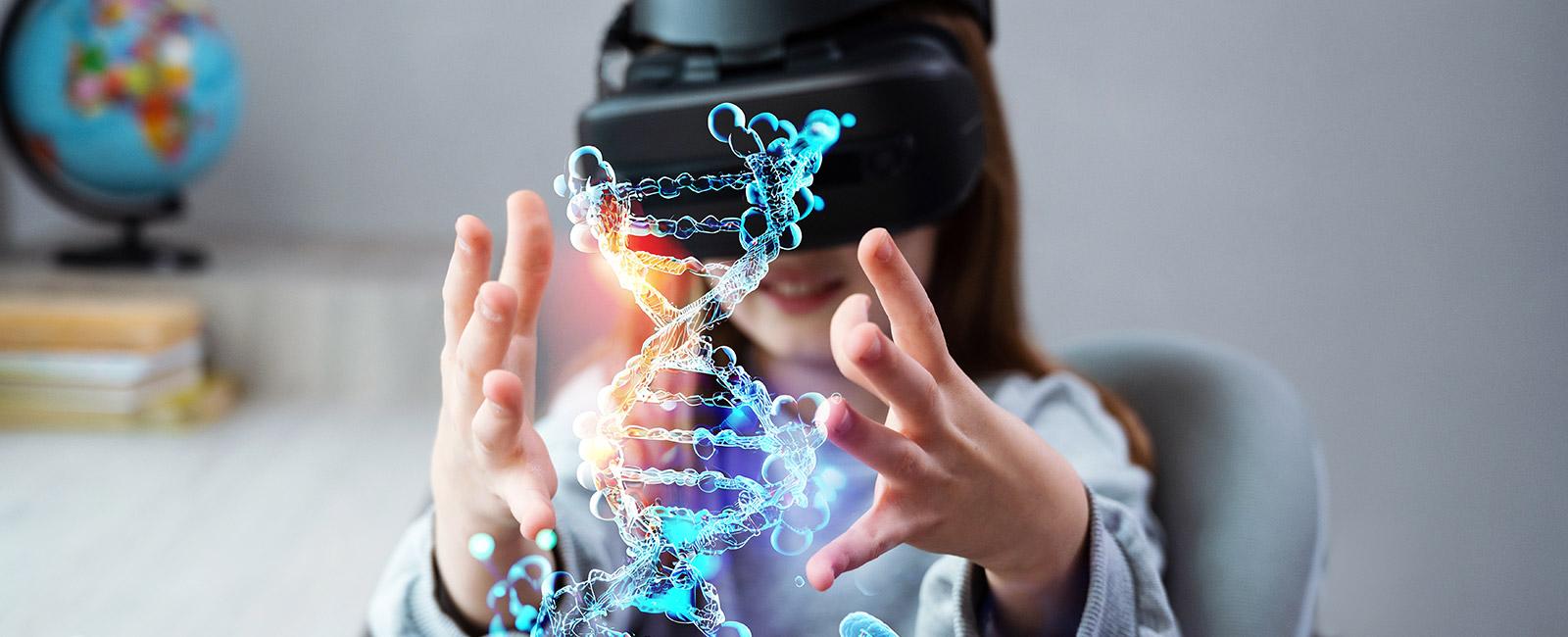
Affordable & Innovative: Cost-Effective VR solutions for schools to Enhance Learning
The education sector is experiencing a digital change, and one technology leading the way is Virtual Reality (VR). While VR was once seen as an expensive luxury for tech-forward institutions, innovative developments have made it more accessible and affordable for schools of all sizes. Integrating cost-effective VR solutions in classrooms can not only enhance learning outcomes but also spark student curiosity and engagement. In this complete guide, we’ll explore the best affordable VR platforms, their key benefits, and practical tips to help schools implement virtual reality—without breaking the budget.
Why virtual Reality in Schools?
The traditional classroom is rapidly evolving.Today’s students crave interactive,immersive learning experiences. VR in education allows for hands-on exploration of complex subjects, from chemistry to history, in a way that textbooks simply cannot match. Using immersive technology, educators can:
- Bring abstract concepts to life
- Support diverse learning styles
- Foster deeper understanding through experiential learning
- Prepare students for tech-centric future careers
Key Benefits of VR in Education
Embracing cost-effective VR solutions for schools can yield a variety of long-term benefits:
1. Increased Engagement and Motivation
VR immerses students in interactive environments, transforming passive learning into active participation. This heightened engagement has been shown to boost knowledge retention and foster a genuine excitement for learning.
2. Safe, Controlled Exploration
Virtual Reality allows students to explore perilous, expensive, or inaccessible places—like volcanoes, the human body, or outer space—without risk or cost.
3. Inclusivity & Accessibility
VR supports differentiated instruction, making learning more accessible for students with disabilities or diverse needs by offering customizable environments and multisensory experiences.
4. Collaboration & Social Learning
Many VR platforms include multiplayer or collaborative scenarios, encouraging teamwork, interaction, and problem-solving skills crucial for 21st-century learners.
What Makes a VR Solution Cost-Effective for Schools?
- Low Initial Investment: Affordable headsets and compatible devices (e.g.,using existing smartphones with Google Cardboard)
- Scalable Licensing: Per-classroom or per-student licensing models that grow with your school
- Free or Low-Cost Content: Access to an ever-growing library of open-source or budget-kind educational content
- Minimal Maintenance: Durable equipment and straightforward troubleshooting reduce ongoing costs
- Teacher Training: Robust support and resources to quickly get teachers up to speed
Top Affordable VR Solutions for Schools (2024)
ready to integrate virtual reality in your school? Here are some of the most popular and accessible options,aligned with cost-effective VR in education trends:
1. Google Expeditions / Google Cardboard
- Price: Under $20 per headset (using existing smartphones)
- Features: 900+ VR field trips, simple teacher controls, and intuitive setup
- Best for: Schools with budget constraints and large student groups
2. ClassVR
- Price: Mid-range; custom classroom sets available
- Features: All-in-one VR headsets, dedicated school portal, curriculum alignment, teacher controls
- Best for: Schools seeking dedicated VR hardware and robust educational content
3. Oculus Quest 2 (Meta Quest 2)
- Price: From $299 per set (discounts for educational bulk purchases available)
- Features: Wireless, high-quality immersive experiences, access to wide-ranging educational apps
- Best for: Higher grades or advanced STEM learning environments
4. Merge EDU (Merge Cube)
- Price: Around $20 per Merge Cube; free and paid content via Merge EDU
- Features: hands-on AR/VR with a durable foam cube, science & math-focused modules
- Best for: Elementary and middle schools exploring AR/VR hybrid education
5. Mozilla Hubs (WebVR)
- Price: Free, works on any device with a modern browser
- Features: Virtual classrooms, collaboration spaces, and user-generated content
- best for: blended or remote learning environments
Case Studies: Real-Life Success Stories
Case Study 1: Engaging Young Scientists in Rural Schools
A small rural district in Nebraska implemented Google Expeditions using existing Chromebooks and affordable cardboard viewers. Within the first semester, science grades improved by 18%, and students reported a stronger interest in STEM careers.
Case Study 2: Inclusive Learning with Merge Cube
An elementary school in Texas used Merge Cube to help students visualize complex geometry and biology concepts. Teachers highlighted the tool’s effectiveness for learners with dyslexia and ADHD,leading to improved comprehension and classroom participation.
Case Study 3: Virtual Language Immersion
At a high school in New York City, language teachers used Mozilla Hubs to create virtual immersion experiences in Spanish and French, providing authentic conversational practice without leaving the classroom.Teachers saw increased fluency and student confidence within a single term.
Practical Tips: how to Implement Cost-Effective VR in Your School
- Start Small: Pilot with one class or grade; scale up as you show results.
- Leverage Existing Devices: Use smartphones or tablets you already own to save on hardware costs.
- Seek Grants and Funding: Explore grants from organizations like Edutopia or your local education authority for edtech funding.
- Engage Teachers Early: Provide training and encourage teacher participation to maximize adoption and creativity.
- Choose Scalable Platforms: Opt for VR ecosystems that offer free trials or per-student licensing.
- Integrate Into The Curriculum: Align VR activities with curriculum goals for the greatest learning impact and administrative support.
- Focus on Safety & Hygiene: Invest in easy-to-clean VR headsets and covers, and build guided safety protocols for classroom use.
Frequently Asked Questions
Is VR safe for school-age children?
When used in age-appropriate ways and under teacher supervision, VR is safe for students. Most platforms offer content for different age groups and include settings for screen-time limits and monitoring.
How much does it really cost to get started?
Starting costs can be as low as $20 per student using smartphone-based VR like Google Cardboard or Merge Cube. For more advanced systems with dedicated hardware, costs may range from $250-350 per headset, but schools often benefit from bulk purchase discounts and grant funding.
Do teachers need prior VR experience?
No prior experience is necessary. Most VR solutions come with extensive teacher resources, tutorials, and customer support to ensure a smooth rollout.
Conclusion: The Future of Affordable VR in Education
Virtual Reality in schools is no longer a far-off idea reserved for wealthy institutions.Affordable VR solutions now put immersive learning within reach of every classroom,transforming the educational experience for students of all backgrounds. By choosing the right cost-effective VR tools, aligning with curriculum goals, and engaging teachers and students alike, your school can unlock the full potential of this powerful technology.
Start small, think big, and watch as VR helps ignite a lifelong passion for revelation and learning in your students.