
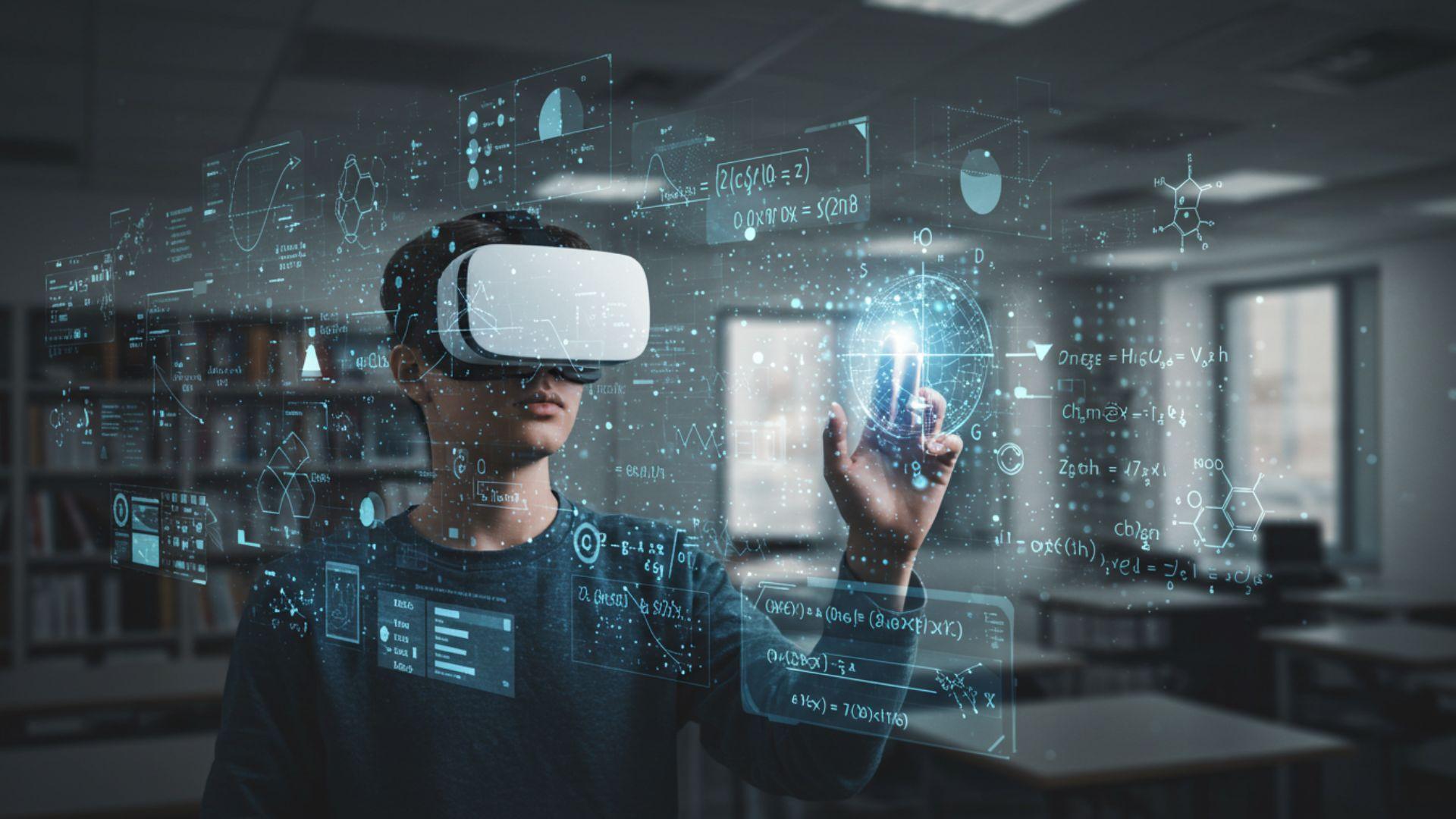
Affordable Virtual Reality: Cost-Effective VR Solutions for Schools Revolutionizing Education
Explore how affordable virtual reality (VR) solutions are transforming classrooms, making engaging, immersive learning experiences accessible for schools of all sizes and budgets.
Introduction: Teh Rise of Virtual Reality in education
In recent years,virtual reality in education has evolved from a futuristic concept to an indispensable classroom tool. Schools worldwide are adopting VR technology to foster interactive learning,improve student engagement,and make complex concepts tangible. Yet, for many educational institutions, cost remains the biggest barrier.
Fortunately, affordable VR solutions for schools are now widely available, enabling administrators and teachers to revolutionize their learning environments without exceeding their budgets. This complete guide will help you understand the benefits, best practices, and real-world examples of cost-effective VR for education.
Understanding Affordable virtual Reality Solutions for Schools
Historically, VR required expensive headsets and powerful computers, but today’s cost-effective VR options are transforming accessibility:
- Standalone VR devices, like the Meta Quest 2 and pico G3, deliver quality experiences without needing external hardware.
- Smartphone-based VR, such as Google Cardboard, uses students’ existing devices and simple headsets.
- Web-based VR content can be accessed via any browser, further reducing investment needs.
Schools can now choose from a variety of affordable VR platforms to suit their unique classes and curriculum goals.
Key Benefits of Cost-Effective VR Solutions in Education
Virtual reality is more than just technology—it’s a powerful pedagogical tool. Here are a few key benefits schools can expect:
1. Enhanced Student Engagement
- Immersive environments foster curiosity and enthusiasm for learning.
- Gamified lessons turn mundane topics into interactive experiences.
2. Experiential Learning Opportunities
- Virtual field trips transport students to historical sites, foreign countries, or even outer space.
- Hands-on STEM experiences allow students to manipulate molecules, machines, and more.
3. Increased Knowledge Retention
- VR’s multisensory approach helps embed lessons deeply and effectively.
- Simulations make abstract concepts concrete, improving comprehension.
4. Inclusive and Differentiated instruction
- Adapt VR content for different learning styles and abilities.
- Create safe, controlled environments for practice and exploration.
Popular Affordable VR Technologies for schools
Choosing the right VR solution for your school is crucial. Here are some leading options that combine power and affordability:
- Meta Quest 2: Lightweight, wireless, and intuitive. Priced at around $299, with a wide library of educational apps.
- Google Cardboard: Headsets cost less than $20, leveraging the power of students’ personal smartphones, making VR accessible for even the smallest budgets.
- ClassVR: Custom-designed for schools, ClassVR offers affordable bundles with lesson plans and management tools.
- pico VR Headsets: Reliable, standalone headsets starting at just a few hundred dollars, popular for group use and ease of setup.
Different solutions offer diverse content libraries, user-kind management, and support for various disciplines—from science and history to art and vocational training.
Implementing Affordable VR in Schools: Practical Tips
Making the leap to cost-effective VR for education doesn’t have to be daunting. Here are proven tips to maximize your investment:
- Start Small: Launch pilot programs with select classes before expanding school-wide.
- Choose Cross-Curricular apps: Opt for VR tools that support multiple subjects, increasing value for money.
- Train Your Staff: Provide teacher training to ensure confident, effective use of VR in lesson delivery.
- Leverage Free and Open-Source Content: Tap into free educational VR platforms and community-created resources.
- Monitor Feedback and Outcomes: Collect data on student engagement and achievement to refine your approach.
Case Studies: Affordable VR Solutions Revolutionizing Education
Real-world examples highlight the transformative impact of affordable VR in schools:
Case Study 1: Elementary School Virtual Field Trips
A Chicago public school piloted Google Cardboard headsets for 5th-grade science lessons. Students explored the Amazon rainforest, walked on the surface of mars, and dove into the coral reefs—all for under $500 in equipment. Teachers reported important increases in both student participation and test scores.
Case Study 2: High School biology with ClassVR
A London secondary school introduced ClassVR in biology courses, allowing students to examine cell structures and conduct virtual dissections. The program was fully implemented for less than the cost of a single classroom computer, and helped students grasp complex biological concepts with hands-on exploration.
Case Study 3: Special Education Support with Pico VR
A rural Texas district deployed Pico G3 headsets to provide social skills training for students with special needs. The customizable VR environments reduced student anxiety and improved social interaction, all through a grant program specifically targeting affordable education technology.
First-Hand Educator Experiences
“Virtual reality has transformed how my students think about history. Our virtual field trips bring ancient civilizations to life in a way textbooks never could. Thanks to cost-effective VR solutions, thes experiences are now within reach for our entire school.”
— Janet Lee, Social studies Teacher
“We started with just a set of Google Cardboard headsets and crafted our own simple VR lessons. A little creativity goes a long way! Our students are more engaged than ever, and it didn’t break the budget.”
— Mark Ortiz,Technology Integration Specialist
Overcoming Common Challenges
Implementing VR in the classroom isn’t without hurdles. here are strategies to address common concerns:
- Budget Constraints: Seek grants, donations, and tech partnerships; many organizations support edtech innovation.
- Technical skills: Use turnkey VR solutions with ready-made lesson plans, or access online training for teachers.
- Student Safety and Comfort: Educate students on VR use, monitor for motion sickness, and establish clear usage guidelines.
Maximizing Value: Funding and Resources for VR in Schools
Don’t let cost deter you from adopting VR in the classroom. Consider these funding options:
- Grant Programs: Search for STEM and EdTech grants,such as the U.S. Department of Education’s STEM grants or local foundation support.
- Corporate Partnerships: Tech companies often sponsor VR pilot programs for schools.
- Community Fundraising: Engage families and local businesses in supporting innovative classroom technology.
Schools can also boost return on investment by sharing VR equipment across classrooms and collaborating with other institutions.
Conclusion: The Future of Affordable Virtual Reality in Education
Cost-effective virtual reality solutions are no longer dreams—they’re game-changers that are revolutionizing education for schools everywhere. Through affordable VR tools, educators unlock immersive learning environments, deeper student engagement, and inclusive experiences for all learners.
By staying informed, leveraging free and low-cost resources, and sharing best practices, schools of every size and budget can benefit from VR’s educational revolution. If you’re an educator, administrator, or parent passionate about transforming learning through technology, now is the time to explore affordable virtual reality solutions for your school.
Ready to bring immersive learning to your classroom? Start small,dream big,and let cost-effective VR revolutionize your students’ educational journey!
Keywords: affordable virtual reality,cost-effective VR solutions for schools,VR in education,virtual reality for classrooms,immersive learning,EdTech,classroom technology