
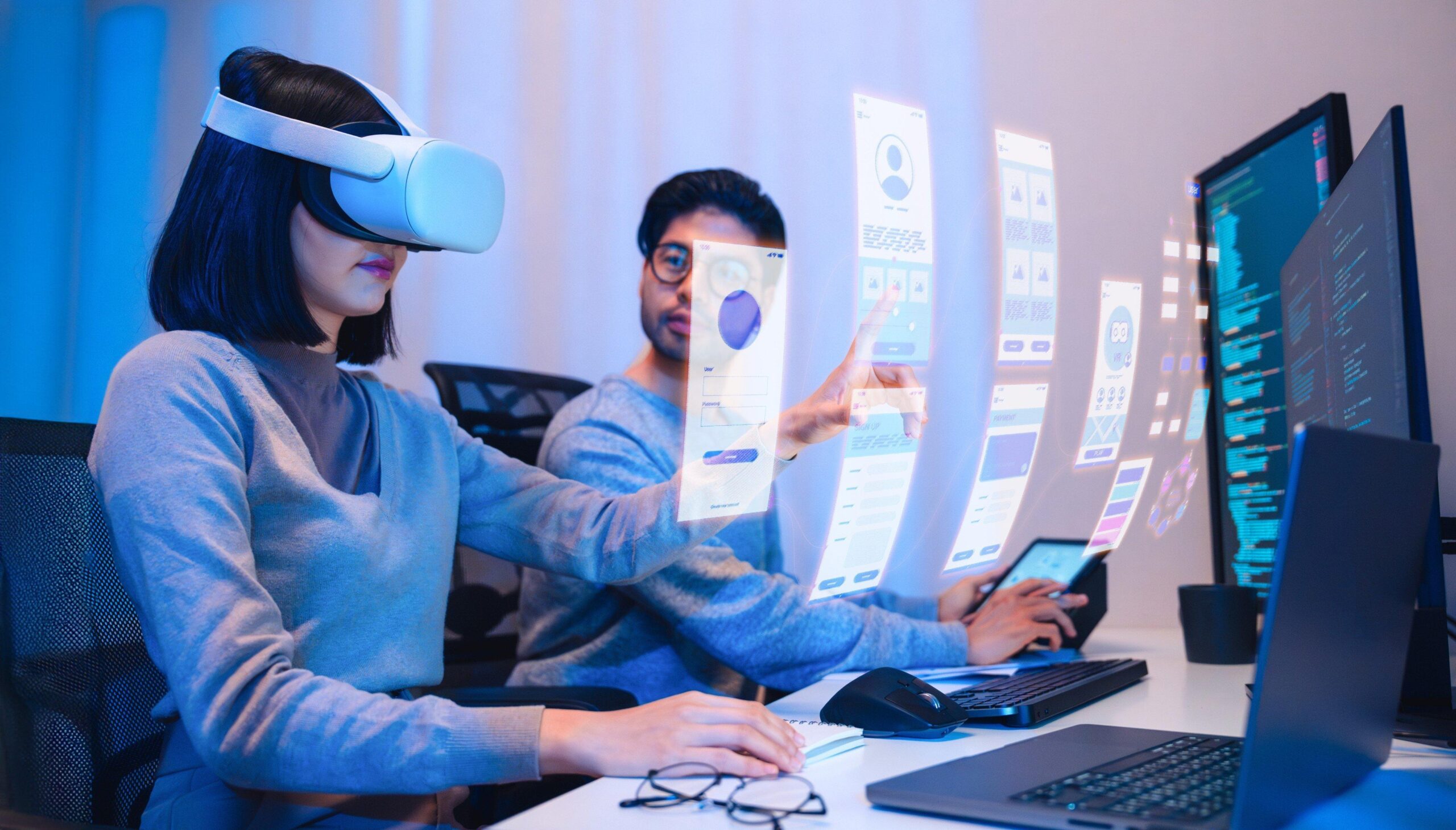
Affordable VR Solutions for Schools: Bringing Cost-Effective Virtual Reality to Education
Virtual reality (VR) is revolutionizing the way students experience and interact with the curriculum. However, the vision of futuristic classrooms is often clouded by concerns about cost and practicality. The good news? Affordable VR solutions for schools are not just a dream—they’re quickly becoming a reality. This complete guide explores cost-effective virtual reality options,real classroom benefits,practical tips,and inspiring case studies to help educators confidently bring VR into their learning environments.
Why Virtual Reality Matters in Today’s Classrooms
Virtual reality has the power to transform customary education by making lessons interactive, immersive, and engaging. From biology labs to virtual field trips, VR provides experiential learning opportunities that textbooks and lectures simply can’t match. But how can schools leverage this technology within tight budgets? Understanding the significance of cost-effective VR in education is the first step to overcoming those barriers.
- Increased Engagement: Students are motivated by hands-on, gamified experiences.
- Deeper Understanding: Immersive simulations help clarify difficult concepts.
- Global Access: VR can take students on worldwide field trips without leaving the classroom.
- Personalized Learning: lessons can be tailored to individual needs and paces.
Understanding the barriers: Why Isn’t VR in Every School?
Despite its potential, widespread adoption of VR in schools has historically been hindered by:
- High Hardware Costs: Professional VR headsets and powerful computers require significant investment.
- Limited Technical Skills: Teachers frequently enough lack VR expertise or training opportunities.
- Content Availability: Many VR apps are not designed for educational contexts or appropriate grade levels.
- Maintenance & Upkeep: Some solutions require complex setup and ongoing technical support.
The good news? affordable VR for schools is now within reach, thanks to creative innovations and new product lines specifically designed for education.
affordable VR solutions for Schools: Top Options in 2024
Let’s explore some of the most popular and budget-friendly VR solutions for the classroom. Each option brings unique advantages to suit various grade levels and curricula.
1. Google Cardboard & Inexpensive Viewers
- Cost: $10–$30 per headset
- How it works: Uses students’ smartphones with simple cardboard viewers.
- Classroom applications: Virtual field trips with Google Expeditions Pro, 360-degree videos, basic VR experiences.
2. Standalone VR Headsets (Meta Quest, Pico, and Others)
- Cost: $250–$400 per device
- How it works: All-in-one headsets, no computer/phone needed. Kid-friendly, easy to set up and sanitize.
- Classroom applications: Interactive science labs, math models, history simulations, language learning, art projects.
- Popular options: Meta Quest 2/Quest 3, Pico 4, ClassVR.
3. VR Software Subscriptions and Free Content
- Cost: Many platforms offer free or low-cost educational licenses.
- Recommended platforms:
- Content variety: Science, geography, cultural studies, engineering, creative writing, coding.
4.Mobile Device Based VR (BYOD Policies)
- Cost: Utilizes existing student smartphones or tablets.
- Pros: Minimal investment,accessible for many schools with BYOD programs.
- Cons: Varied device quality, classroom management required.
5. VR Labs and Carts
- Cost: Carts with 10-30 headsets can drastically reduce per-student price due to bulk purchase discounts.
- How it effectively works: Mobile VR labs for scheduled classroom use.
- Vendor examples: Best Virtual Reality
How Schools Worldwide Use Affordable VR in Education: Case Studies
Case Study 1: Science Labs Anywhere (UK Primary School)
A UK primary school replaced outdated science equipment with ClassVR headsets, giving students the ability to dissect virtual frogs, explore planets, and witness chemical reactions—all without expensive supplies. Teachers reported a 40% increase in science engagement scores.
Case Study 2: Virtual Field Trips Across The US
Through Google Expeditions Pro, a network of rural American schools brought 360-degree field trips to every classroom. Students traveled to the Great Wall of China, NASA launch sites, and the depths of the ocean, broadening global perspectives without costly travel logistics.
Case Study 3: Language learning Through Immersion (Spain Secondary School)
A Spanish secondary school utilized inexpensive Pico headsets and a subscription to ImmerseMe for foreign language practice. Students practiced real-world conversations in virtual marketplaces, apartments, and cafés—reporting improved confidence and conversation proficiency.
Practical Tips: Getting Started with Affordable VR in Schools
1. Start Small and Scale
- Begin with a single classroom or small set of devices for pilot testing.
- collect feedback from students and teachers before expanding.
2.Seek Grants and Partnerships
- apply for edtech grants or technology awards.
- Partner with local universities or businesses for funding and professional development.
3. Choose the Right Hardware
- Opt for all-in-one headsets for easy set-up and use. Look for durable, education-focused products.
- Balance price with features: 3DoF (basic head tracking) may suffice for most lessons.
4. Focus on Content and Curriculum Integration
- Prioritize apps and lesson plans that align with state or national standards.
- Make use of free teacher resources and lesson libraries from leading VR education platforms.
5. Train Teachers & Address Equity
- Offer staff professional development and hands-on time with the equipment.
- Address digital equity so all students can benefit,perhaps through shared or loaner headsets.
Top Benefits: Why Invest in Cost-Effective VR for Education?
- Affordability: Entry-level options cost less than most classroom technology upgrades.
- Scalability: Start with a pilot and expand as funding allows.
- Improved Learning Outcomes: Studies have shown higher retention rates and deeper conceptual understanding.
- Real-World Skills: VR experiences foster problem-solving, teamwork, and confidence.
- Inclusive Education: VR can adapt content for diverse learning styles and abilities.
Conclusion: future-Proofing Learning with Affordable VR for Schools
Bringing affordable VR solutions to schools is easier and more impactful than ever before. By leveraging cost-effective hardware, free or low-cost software, and creative classroom strategies, educators can make virtual reality an accessible, transformative tool for every student. The future of education is immersive—and every school can be part of it, nonetheless of their budget.
Whether your institution is ready to pilot a single device or outfit an entire VR lab, the journey toward a richer, more engaging learning habitat starts now. Explore your options, seek out community partners and grants, and start small. Virtual reality in education isn’t a luxury anymore—it’s an achievable, affordable upgrade that will prepare students for the world of tomorrow.