
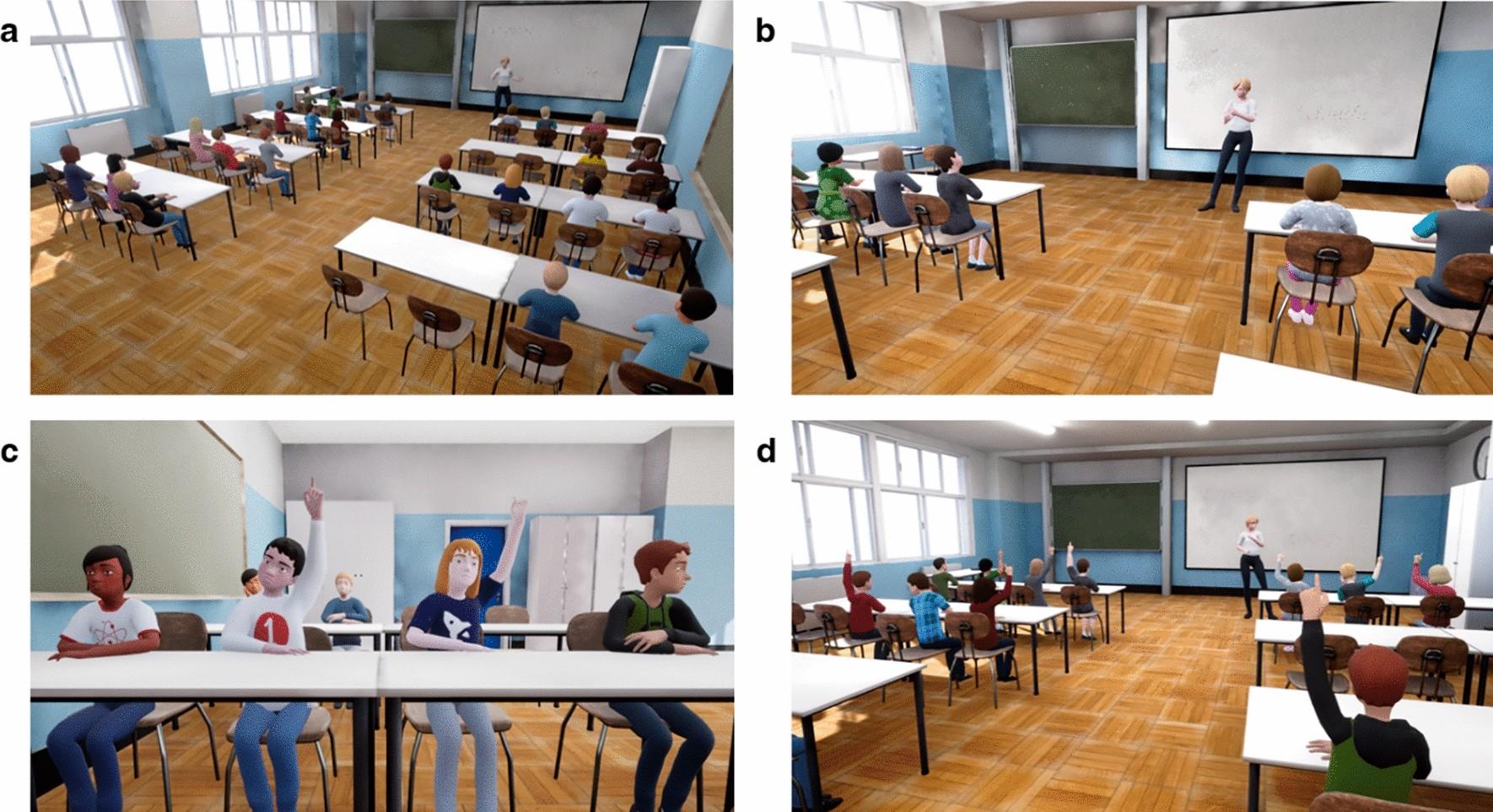
Affordable VR Solutions for Schools: Budget-Friendly Options for Classroom Innovation
Virtual reality (VR) is revolutionizing how students learn, turning traditional lessons into engaging, immersive experiences.Yet, many educators and administrators wonder if VR can fit into tight school budgets. Fortunately, affordable VR solutions for schools are not onyl possible but also proven to boost classroom innovation. In this comprehensive guide, we’ll explore budget-friendly VR options, their benefits, practical deployment tips, inspiring case studies, and strategies for bringing cutting-edge technology to every classroom.
Why Adopt VR Technology in Schools?
The integration of VR in education brings a new dimension to learning.From virtual field trips to interactive science labs, VR offers transformative experiences.Let’s look at the core benefits of introducing virtual reality in classrooms:
- Enhanced student Engagement: Interactive scenes and simulations make lessons more captivating.
- Experiential Learning: VR allows students to “experience” historical events, scientific concepts, or distant places in ways not possible with traditional teaching methods.
- Inclusive Education: Adaptable VR content enables students of all abilities to visualize and understand complex subjects.
- Improved Retention: Studies show immersive learning increases knowledge retention and comprehension.
- Safe Exploration: Students can safely explore hazardous environments or delicate phenomena (like chemical reactions) in a virtual setting.
The Challenges and Solutions: Making VR Affordable in Schools
Despite its immense potential, schools typically face these barriers when considering virtual reality implementation:
- High Hardware Costs
- Lack of Technical Training
- Content Availability
- Infrastructure Requirements
Luckily, the market has responded with budget-friendly VR solutions tailored for educational environments. These options prioritize affordability, ease-of-use, and scalability, making classroom VR a realistic possibility for all schools.
Top affordable VR Solutions for Schools
Here’s a breakdown of the best low-cost VR devices and platforms designed to fit school budgets and needs:
1. Google Cardboard and Similar Headsets
- Price Range: $10–$25 per unit
- Compatibility: Android and iOS smartphones
- Best For: Large classrooms, introductory VR lessons
Google cardboard is the ultimate entry-level VR solution. Schools can purchase these lightweight, foldable viewers in bulk at a fraction of the cost of traditional VR devices.By utilizing students’ own or school-issued smartphones, teachers can access thousands of educational VR apps and 360° videos.
2. MERGE VR Headsets
- Price Range: $35–$50 per headset
- Compatibility: Mobile devices (Android, iOS)
- best For: STEM activities, interactive 3D models
MERGE VR offers soft, durable headsets and AR cubes that interact with educational content. designed for student safety and comfort, MERGE viewers support apps on various subjects including anatomy, physics, and earth sciences.
3. Oculus Go (Discontinued but Available Used)
- Price Range: $80–$150 (used/refurbished units)
- Compatibility: Standalone, no phone required
- Best For: Small groups, multimedia projects
While no longer in production, used Oculus Go headsets offer independent VR experiences with a large libary of educational applications. These can be a cost-effective choice for schools seeking enhanced capabilities over smartphone-based viewers.
4. ClassVR
- Price Range: Approx. $300 per headset (bulk pricing and bundles available)
- Compatibility: Custom-built for education
- Best For: Schools seeking comprehensive solutions with classroom management
ClassVR combines robust hardware with educator-friendly classroom management software, extensive lesson libraries, and support materials. Their platform streamlines VR lesson delivery,making it ideal for schools willing to invest slightly more for a turnkey system.
5. VR Apps and Free Resources
- Platforms: Google Expeditions (legacy content), youtube VR, National Geographic VR, Titans of Space
- Price: Free or low-cost (often less than $10 per app)
numerous VR applications are available for free or at low cost. These can be used with simple viewers like Cardboard or MERGE,allowing teachers to incorporate VR experiences without software subscriptions.
Maximizing Your VR Investment: Practical Tips for Schools
Implementing VR on a limited budget requires smart planning. Here are practical tips to stretch your resources without compromising the quality of student experiences:
- Start Small: Pilot with a few devices before scaling up to full classrooms.
- leverage BYOD (Bring Your Own Device): Allow students to use their own smartphones with compatible viewers to save on hardware costs.
- Utilize Grants and Partnerships: Apply for tech grants, collaborate with local businesses or STEM organizations to secure funding and equipment.
- Rotate Devices: Set a classroom schedule for shared VR use so every student gets hands-on time.
- Access Free Educational content: Regularly check online VR libraries and educator forums for freely available resources.
- Train Teachers: Invest in basic teacher training sessions or webinars to ensure confident and effective use of VR tools in lessons.
- Choose Durable Equipment: Opt for headsets and accessories designed for frequent handling by younger students.
Real-World Case Studies: Affordable VR in Action
Let’s take a look at how budget-friendly VR technology is transforming classrooms across the globe:
Case Study 1: Elementary School, Texas, USA
A public elementary school in Texas launched a VR pilot using Google Cardboard with parent-donated smartphones. Science teachers guided students through virtual field trips to the Amazon Rainforest and historic sites, reporting dramatically improved engagement and deeper understanding.
Case Study 2: UK Primary School with MERGE VR
A primary school in England purchased MERGE VR headsets and cubes for their STEM lab, allowing students to manipulate interactive 3D models during biology and chemistry lessons. Student feedback was overwhelmingly positive, especially on lessons involving cell structure and solar system exploration.
Case Study 3: Small High school, canada
Teachers at a rural Canadian high school acquired several used Oculus Go units through local fundraising efforts. They used VR to simulate career experiences (architecture, mechanics, medical labs), helping students visualize future opportunities and build real-world skills.
First-Hand Experience: Insights from Educators
“When I introduced low-cost VR headsets to my 7th grade class, the transformation was immediate. Students who usually struggled to stay focused during lessons were suddenly asking questions and exploring beyond the curriculum. The best part was seeing them collaborate, solve problems, and relate what they learned to our real-world discussions.”
– Sarah M., Middle School Science Teacher
Educators consistently report that affordable VR solutions—when thoughtfully deployed—turn passive learning into active exploration, foster creativity, and boost student confidence.
Overcoming Common Implementation Challenges
Success with affordable VR in schools relies on addressing these common concerns:
- Device Management: Use protective cases, routine cleaning, and classroom management software to streamline device sharing.
- Student Safety: Limit VR sessions to 10-15 minutes, take regular breaks, and ensure content is age-appropriate and accessible.
- Tech support: appoint a “VR champion” among staff or work with local IT students for ongoing technical assistance.
- Curriculum Integration: Design lessons around VR experiences to reinforce learning outcomes, not just for entertainment.
Conclusion: VR Is Within Reach for Every School!
With the rise of affordable VR solutions for schools, advanced technology is no longer reserved for elite institutions with large budgets. Options like Google Cardboard, MERGE VR, and an abundance of low-cost apps empower every educator to bring immersive learning to their classroom. By starting small,taking advantage of grants,and leveraging free content,school districts can pioneer classroom innovation and prepare students for the digital future.
Weather your goal is to transform science lessons, enhance history classes, or inspire creative problem-solving, budget-friendly VR makes it possible. Begin exploring these tools, experiment with lesson plans, and watch your students’ curiosity and engagement soar. The future of education is immersive, and it’s more accessible than ever.
interested in more tech tips for teachers or the latest in VR for education? Subscribe to our newsletter, and be the first to know!