
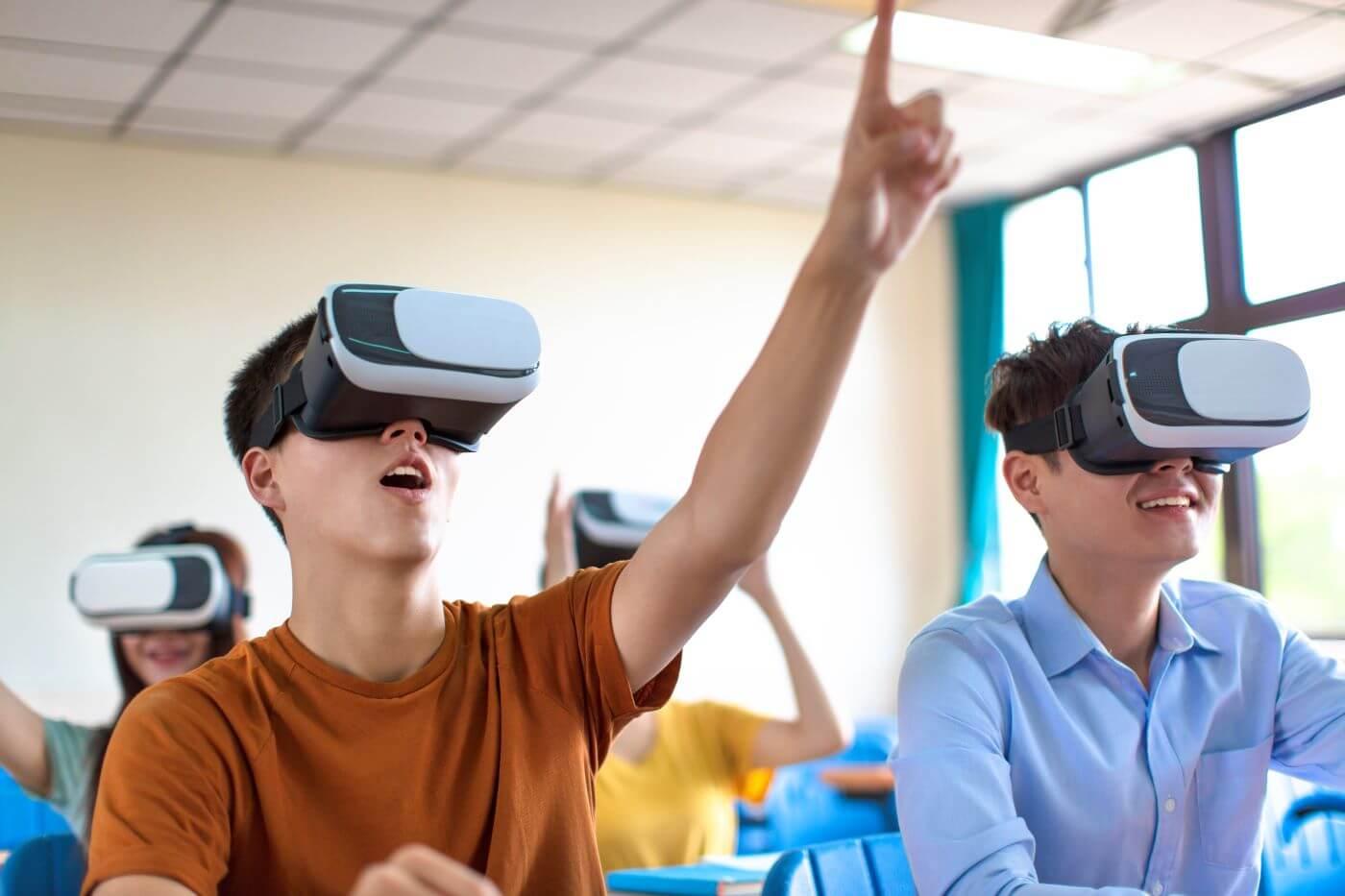
Affordable VR solutions for Schools: Budget-Friendly Options for Educational Success
Virtual Reality (VR) has transformed the landscape of education, offering students immersive learning experiences that textbooks alone cannot provide. However, many educators face a common challenge: integrating VR into the classroom without exceeding tight school budgets. The good news is that there are now affordable VR solutions for schools that make cutting-edge technology accessible to all. In this article, we’ll explore budget-friendly VR options, highlight the benefits of virtual reality in education, adn share practical tips and case studies for achieving educational success with limited resources.
Why Choose VR for Education?
Incorporating VR technology in schools opens up a world of interactive and engaging possibilities for students. From virtual field trips to simulating laboratory experiments, VR makes complex concepts easier to grasp and brings curricula to life. Key advantages include:
- Enhanced Engagement: Interactive VR content captures students’ attention and fosters curiosity.
- Active Learning: Students gain hands-on experience in a safe environment, boosting knowledge retention.
- Accessibility: VR can help bridge educational gaps, especially for remote or underserved schools.
- Collaboration: Virtual classrooms promote cooperation and teamwork among students.
- Personalization: Learning modules can be tailored to individual needs, allowing students to progress at thier own pace.
Budget-Friendly VR Options for Schools
Implementing VR on a budget doesn’t mean compromising on quality. Thanks to technological advances and competition in the edtech sector, a range of cost-effective VR systems for schools are now available. Here are some top choices:
1. Google Cardboard
- Price: As low as $10 per headset
- How it effectively works: Cardboard viewers transform students’ smartphones into basic VR headsets, offering an affordable entry point into virtual learning environments.
- Ideal for: Schools with access to smartphones; best for virtual field trips and 360° videos.
2. Oculus Quest 2 (Meta Quest 2)
- Price: Around $299 per headset
- How it effectively works: Standalone wireless system with access to a wide array of educational apps and experiences, no PC required.
- Ideal for: Classrooms wanting more immersive and interactive VR learning without expensive additional hardware.
3. ClassVR
- Price: From $350 per headset (discounted bundles for schools available)
- How it works: Turnkey classroom VR solution with dedicated headsets, educational resources, and teacher management tools.
- Ideal for: K-12 classrooms seeking a managed, curriculum-driven VR experience.
4. Merge EDU & Merge Cube
- Price: Merge Cube from $25; Merge Headset around $49; EDU subscriptions available
- How it works: Augmented reality (AR) and VR solutions using a physical cube and educational apps.Highly interactive and budget-friendly.
- Ideal for: Creating 3D learning experiences on a budget, notably for science, math, and STEM subjects.
5. Homido Grab & similar Smartphone VR Viewers
- Price: $30–$50 per headset
- how it effectively works: Durable viewers compatible with most smartphones, ideal for basic VR apps and 360° educational videos.
- Ideal for: Schools with BYOD (Bring Your Own Device) policies looking for low-maintenance VR devices.
Pro tip: Look for educational grants and VR hardware partnerships specifically geared toward school districts and nonprofit organizations.
What to Consider When Choosing Affordable VR Solutions
- Hardware Compatibility: Make sure devices are compatible with your existing smartphones,tablets,or computers.
- content library: Opt for VR platforms offering a range of age-appropriate educational content and easy-to-use lesson plans.
- Ease of Use: Select solutions that offer teacher dashboards and classroom management tools.
- Durability: Prioritize headsets designed to withstand heavy classroom use.
- support and Training: Choose vendors with solid customer support and training resources to help teachers integrate VR effectively.
- Privacy and Safety: Ensure compliance with student data privacy policies.
practical tips for Implementing VR in Budget-Conscious Schools
Start Small: Pilot a program in one grade or subject before expanding schoolwide.
Utilize Free and Open Educational Resources: Many VR apps and 360° videos are available free or at low cost from sources such as Google expeditions, YouTube VR, and Smithsonian VR.
Engage the Community: Involve parents and local partners in fundraising or donations to support VR acquisition.
Leverage Grants: Seek out grants for technology integration in the classroom, offered by organizations like the National Science Foundation and EdTech foundations.
Provide Teacher Training: Invest in professional progress to maximize the impact of virtual reality lessons.
Case Study: VR on a Shoestring Budget
Sunnybrook Elementary School wanted to improve science engagement for its 5th graders but lacked funding for expensive hardware. By purchasing a class set of google Cardboard viewers and partnering with a local business for used smartphones, the school provided students with monthly virtual field trips to museums, the Amazon rainforest, and the International Space station. Teachers noticed a 25% improvement in science test scores and considerably higher participation in classroom discussions—a testament to the transformative power of affordable VR solutions in education.
Benefits of Affordable VR Solutions in Education
- Equitable Access: Budget-friendly solutions empower all students, regardless of economic background, to explore new worlds and concepts.
- Enhanced Learning Outcomes: VR has been linked to stronger comprehension, improved memory recall, and greater student motivation.
- Differentiated Instruction: Teachers can adapt VR-driven content to fit different learning styles and abilities.
- Future Readiness: Familiarity with VR and related technologies prepares students for emerging careers in STEM, medicine, design, and more.
First-Hand experience: What Teachers Are Saying
“Our students are more engaged and excited about learning than ever before. VR enables them to visit places we could never afford to take them in real life, and it brings abstract concepts to life in a way I’ve never seen before.”
– Mrs. Sullivan, 6th Grade Science Teacher
“Don’t let budget limits keep you from exploring VR in your classroom. Even the simplest headsets can have a huge impact when paired with creative teaching and quality content.”
– Mr. Nguyen, Middle School Technology Coordinator
Conclusion: Powering Educational Success With Affordable VR
Implementing affordable VR solutions for schools is more possible today than ever before. With a variety of budget-friendly options like Google Cardboard, Meta Quest 2, and Merge EDU, schools can revolutionize their teaching strategies, enhance student engagement, and deliver unforgettable learning experiences—without straining financial resources. By starting small, tapping into community support, and prioritizing teacher training, your school can pave the way for innovative, future-focused education.
Ready to explore budget-friendly VR for your school? Assess your needs, research available tools, and start your VR journey today. The world of immersive learning is at your fingertips—your students’ next adventure is only a headset away!