
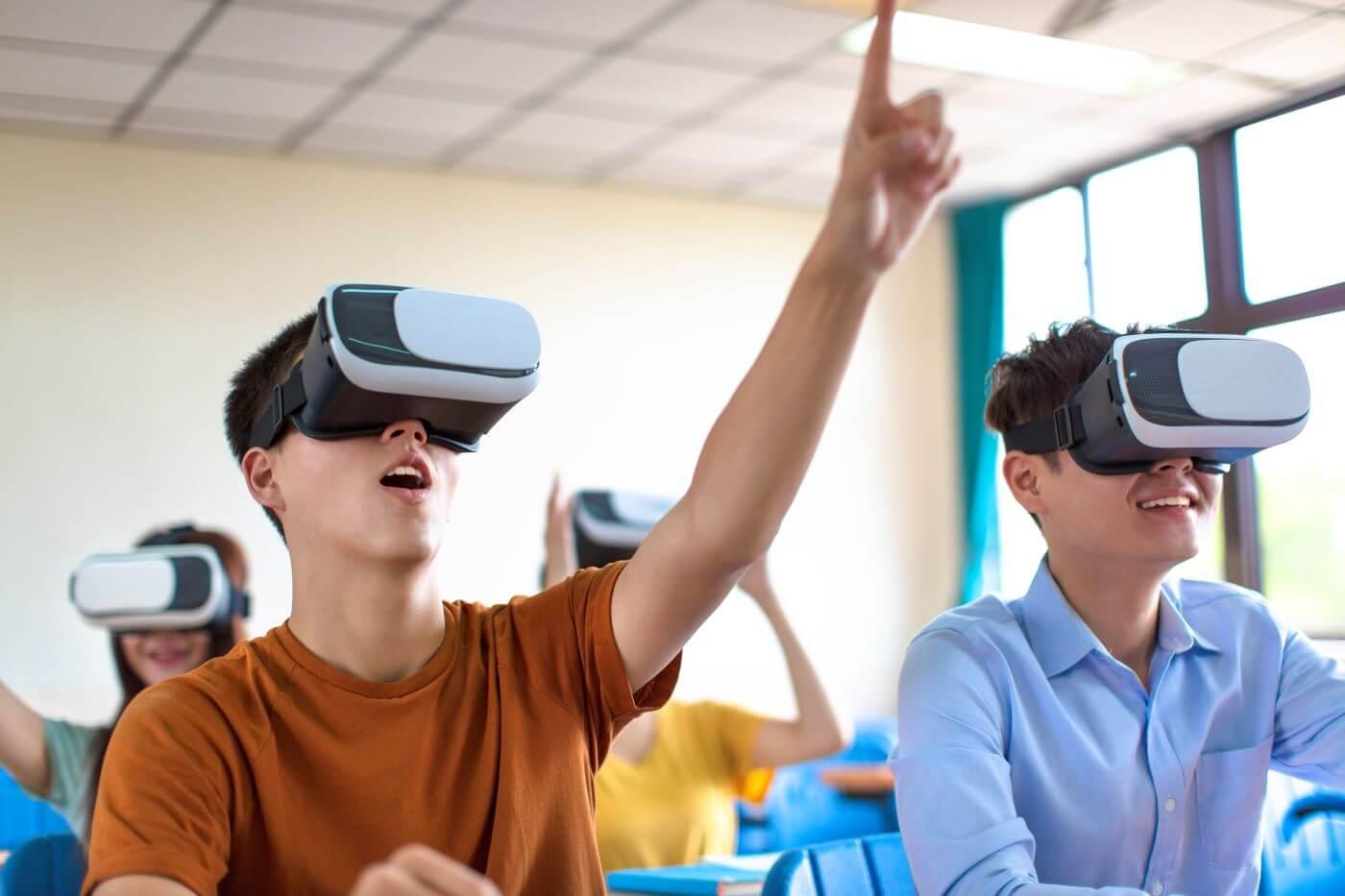
Affordable VR Solutions for Schools: Budget-Friendly Options for Enhanced Learning
Virtual Reality (VR) is revolutionizing the world of education, offering immersive experiences that transform customary classrooms into interactive learning environments. though, budget constraints frequently enough make it challenging for schools and educational institutions to access advanced VR technology.The good news is that affordable VR solutions for schools are now more accessible than ever, allowing educators to enhance student learning without straining their budgets. In this comprehensive guide,we’ll explore cost-effective VR options,highlight their educational benefits,and offer practical tips for seamless classroom integration.
The Power of Virtual Reality in Education
Before diving into affordable VR solutions, it’s vital to understand how virtual reality in education is reshaping learning experiences. from exploring the solar system to walking through ancient civilizations,VR makes abstract concepts concrete and fosters engagement like never before.
- Improved Engagement: VR captivates students’ attention, encouraging active participation.
- Enhanced Retention: Interactive experiences help students remember and understand complex topics.
- Accessibility: VR bridges gaps,providing opportunities for all learners,including those with disabilities.
- Safe Experimentation: Science experiments, field trips, and hazardous situations can be safely simulated.
Top Affordable VR Solutions for Schools
When it comes to integrating budget-friendly VR options into the classroom, there’s an array of hardware and software to fit every school’s needs. Here are some popular options that deliver excellent educational value without breaking the bank.
1. Google Cardboard
- Cost-effective: Google Cardboard viewers are extremely inexpensive and can be used with existing smartphones.
- Wide Compatibility: Supports a vast range of educational apps and resources available on the Google Play Store and App Store.
- Easy to Use: Perfect for younger students or introductory VR activities.
2. Oculus Go (Discontinued but Available Refurbished)
- Standalone Device: No PC or phone needed, making it great for shared classroom environments.
- Diverse App Library: Access to trusted educational VR apps and experiences.
- Affordable Refurbished Units: Can be purchased online at a fraction of their original price.
3. Merge VR Headset
- Durable Design: Made from soft, flexible foam, ideal for classroom use.
- Compatible with Phones: Works with most modern smartphones, leveraging existing technology.
- Merge EDU: Offers a world of educational VR and AR content for science,math,and more.
4. ClassVR
- Tailored for Schools: Purpose-built VR hardware and software, designed with classroom management in mind.
- Centralized Management: Teachers can guide VR lessons from a central portal.
- Comprehensive Content: Comes loaded with hundreds of age-appropriate VR and AR activities.
- Flexible Pricing: Licenses and devices are available in bulk at education discounts.
5. DIY VR Kits
- Project-Based Learning: Students assemble their own VR viewers from affordable kits, blending engineering and technology lessons.
- Low Cost: Materials like cardboard, lenses, and straps are inexpensive and easy to procure.
- Engagement: Hands-on assembly further deepens investment in the technology.
Practical Tips for Implementing Budget-Friendly VR in Schools
- Leverage Existing Devices: Many VR headsets for education use smartphones that students or schools may already own.
- Start Small: Begin with just a few headsets and rotate use among groups.
- Seek Grants and Funding: Numerous organizations and tech companies offer education technology grants for VR integration.
- Opt for free and Low-Cost Apps: Many leading VR educational apps are free or have special rates for schools.
- teacher Training: Provide staff with opportunities to learn about VR technology to maximize impact.
Benefits of Affordable VR Solutions in the Classroom
For Students
- Immersive Learning: Lessons become more memorable and enjoyable.
- Skill Building: Develops critical thinking, problem-solving, and digital literacy.
- Increased Motivation: Interactive technologies spark curiosity and love for learning.
For Teachers
- Versatile Tools: Easily integrate VR into various subjects, from science to history to art.
- Rich Resources: Access a global library of VR content tailored for K-12 education.
- Assessment Opportunities: Monitor participation and learning outcomes with interactive assessments.
For Schools
- Enduring Investment: Many solutions can be updated and enhanced over time without recurring heavy costs.
- Inclusive Education: VR can support inclusive practices, catering to diverse learning styles and abilities.
- Community Engagement: VR events can involve parents and the wider community in school activities.
Case Studies: Affordable VR in Action
lincoln Middle School, Texas
Lincoln Middle School implemented Google cardboard sets, leveraging their students’ existing smartphones. Within months, test scores in science rose by 15%, and engagement in lessons soared. Teachers reported that VR field trips and simulations deepened understanding of complex subjects like anatomy and physics.
Springfield District’s Merge VR Initiative
Through a combination of PTA fundraising and educational technology grants, Springfield School District secured a class set of Merge VR headsets. Teachers coordinated VR sessions in history,taking students on immersive journeys to ancient Rome and egypt. Post-activity surveys showed an 80% increase in student excitement for the subject material.
DIY VR Success at Green Valley Elementary
Green Valley Elementary prioritized hands-on STEAM learning by having students build their own VR viewers from kits. The project culminated in student-led exhibitions, with participants reflecting high confidence and creativity in both tech and research skills.
Top Educational VR Apps and Content Resources
- Google Expeditions: Classroom journeys to places like the Great Barrier Reef and outer space.
- Merge EDU: Interactive science and math lessons.
- National Geographic VR: Immersive nature and history explorations.
- Discovery VR: Virtual field trips and interactive lessons.
- Local Museums and Institutions: Many offer free VR content for educational use.
Addressing Common Concerns About VR in Schools
- Health and Safety: Ensure regular breaks and monitor for discomfort. Choose age-appropriate content.
- Screen Time: Use VR as a supplement,not a replacement for other teaching methods.
- Equipment Maintenance: store equipment securely and sanitize headsets between uses.
- Integration with curriculum: Align VR activities with learning objectives and standards.
conclusion: Unlocking New Learning Horizons with Affordable VR for Schools
Integrating budget-friendly virtual reality solutions into the classroom is within reach for schools of any size. With options from simple smartphone-based viewers to ready-to-go educational headsets, VR is no longer reserved for big budgets or advanced tech labs. By embracing affordable VR solutions for schools, educators can boost engagement, foster deeper learning, and prepare students for the future—while keeping costs manageable. Ready to take the first step? Explore the options, start small, and watch your classroom come alive with new possibilities.