
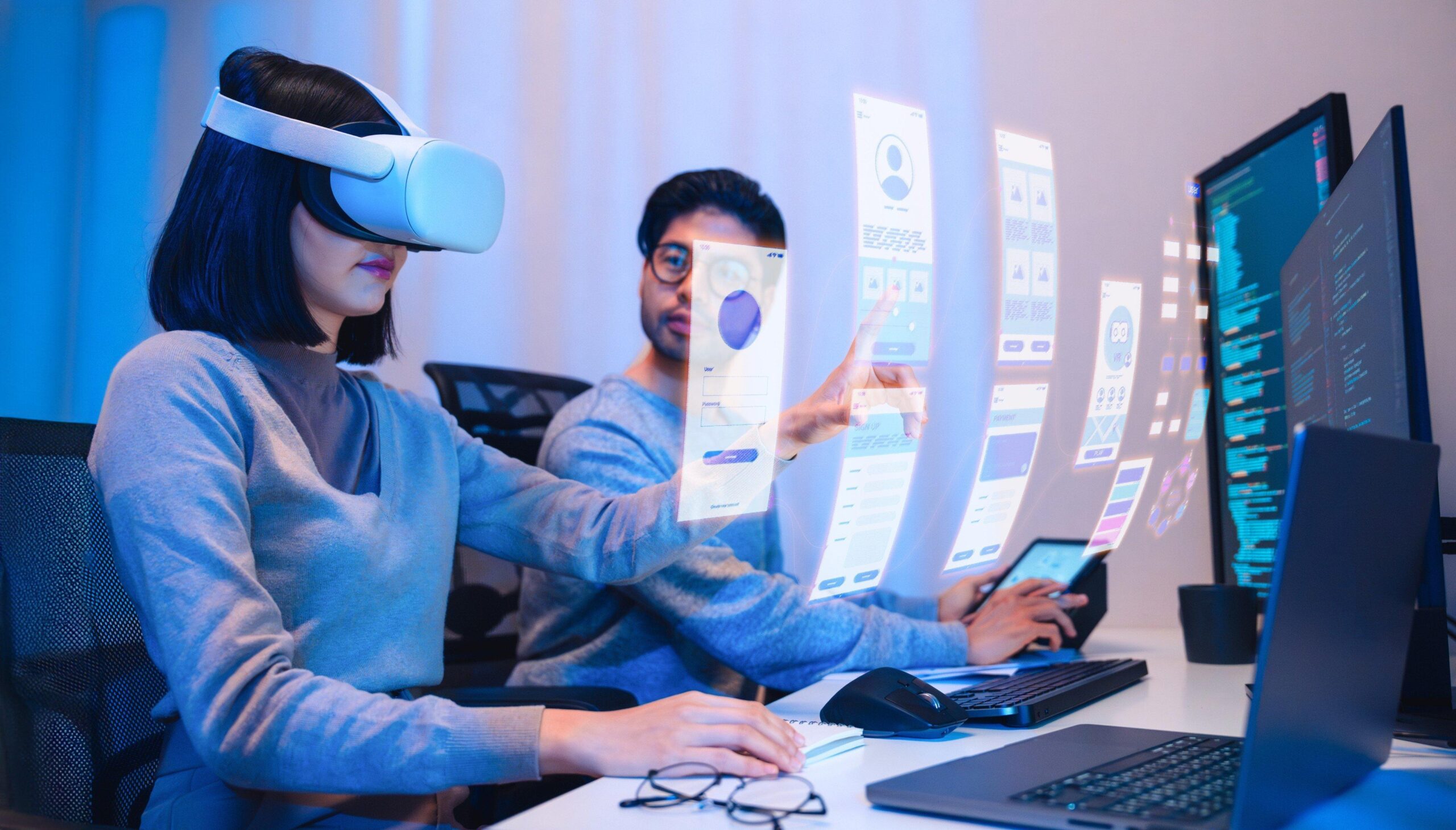
Affordable VR Solutions for Schools: Budget-Friendly Tools to enhance Classroom Learning
Introduction
As technology continues to reshape education, schools are increasingly seeking innovative ways to engage students and enhance classroom experiences. One of the most promising advancements is Virtual Reality (VR),which transforms traditional lessons into immersive adventures. However, many educators worry that integrating VR into classrooms can be costly. This article explores affordable VR solutions for schools, highlighting budget-friendly tools, their advantages, real-life applications, and practical tips to make immersive learning accessible for every educational institution.
Why consider VR in the Classroom?
Virtual reality in schools offers transformative benefits that extend well beyond textbooks and videos. By immersing students in interactive environments, VR boosts engagement and retention, making learning both effective and enjoyable. HereS why every school should think about integrating VR:
- Enhanced Engagement: Students grasp complex topics by interacting directly with simulations and virtual experiences.
- Accessibility: VR breaks barriers,allowing students to explore locations and concepts regardless of physical or logistical limitations.
- Inclusivity: Special needs students benefit from tailored VR content and sensory-friendly experiences.
- Collaboration: Multi-user VR activities foster teamwork and communication.
Affordable VR Solutions for Schools
Introducing budget-friendly VR tools into schools doesn’t have to strain the budget. Fortunately, numerous providers offer cost-effective systems, making virtual reality accessible for K-12 classrooms and beyond. Below are some standout options:
1. Google Cardboard & Compatible Viewers
- Google cardboard: Priced as low as $10 per piece, this simple VR viewer works with most smartphones. Teachers can leverage free educational VR apps such as ExpeditionsPro and Within VR to deliver immersive field trips and lessons.
- Alternative Viewers: Brands like Merge VR offer durable foam viewers (~$30 each), designed for classroom use and compatible with a wide range of devices.
2. Oculus Quest 2 (Meta Quest 2)
-
This standalone VR headset combines powerful processing with ease of use. While priced around $299, it’s considered one of the best value all-in-one solutions for schools exploring more advanced VR applications.
-
Compatible with a vast library of educational content, from science simulations to ancient reconstructions.
3. smartphone & Tablet-Based VR Apps
- Nearpod VR: Integrates VR field trips into existing lesson plans—students use their own devices for 360º environmental learning at a minimal cost.
- ClassVR: Offers specially designed VR headsets and a full package of curriculum-linked content, with pricing tailored for school budgets and options for leasing hardware.
4. DIY VR Kits & Bundles
- Edupack VR: Supplies bundles of viewers, lesson plans, and charging stations for classrooms (starting at $200 for a class set).
- VR Education Kits: Assemble your own kits using low-cost viewers and open-source content, maximizing flexibility and savings.
Schools can choose solutions that align with their curriculum, digital infrastructure, and students’ needs. Many providers offer educator discounts, grants, or pilot programs to help reduce costs further.
Case Studies: VR in Real Classrooms
“We used Google Cardboard across our 6th-grade science classes. Students explored the solar system and marine ecosystems as if they were real explorers. It was remarkable to see their excitement and curiosity skyrocket, all with affordable smartphone viewers.”
— Ms. Harper, Middle School Science Teacher
“Our school implemented classvr with leased headsets. The teacher-friendly portal and ready-made lessons made set-up a breeze,and parent feedback was overwhelmingly positive. Even students with attention difficulties found the VR sessions captivating.”
— Mr.Patel, Elementary School Principal
These firsthand experiences show that enhanced engagement, accessibility, and positive outcomes are possible—even with limited budgets.
Benefits of Budget-Friendly VR Tools
When thoughtfully deployed, affordable VR solutions for schools bring multiple advantages:
- Active Learning: Interactive 3D lessons improve understanding and memory retention.
- Cost-Efficiency: Schools can start with small pilot programs and scale up as funding allows.
- Adaptable content: Teachers can find VR resources for STEM, arts, history, languages, and more.
- Remote and Hybrid compatibility: Students can use VR apps on personal devices, supporting remote or hybrid learning models.
The evidence is clear: even with modest investments, VR can dramatically enrich classroom learning.
Practical Tips: Making VR Integration Affordable and Effective
- Start Small: Launch a pilot class or club before committing to a school-wide rollout.
- Use Existing Devices: Repurpose student smartphones or tablets with inexpensive VR viewers.
- Apply for Grants: Look for educational technology grants from local governments, nonprofits, or tech companies.
- Leverage Free Resources: Explore open-source educational VR experiences and apps.
- Train Teachers: Provide basic VR workshops or online training—ensuring confident, creative lesson integration.
- Promote Safe VR Use: Monitor screen time, ensure proper hygiene for shared devices, and include regular breaks.
With these strategies, schools can integrate VR affordably and maximize its impact on student learning.
Future of VR in Schools
As VR hardware becomes more affordable and content libraries expand, virtual reality will continue revolutionizing education. Emerging innovations—like AR, mixed reality, and AI integration—promise even greater opportunities for interactive, personalized learning.
- Collaborative VR Learning: Real-time group explorations of historical events or shared science experiments.
- Cross-Curricular Lessons: Linking VR experiences across math, science, languages, and arts.
- Global Connections: Virtual exchanges with classrooms worldwide, promoting cross-cultural understanding.
Schools that begin with affordable VR solutions today will be well-prepared to adopt advanced technologies in the future.
Conclusion: making VR Learning a Reality on a Budget
Affordable VR solutions empower schools to deliver engaging, transformative learning without breaking the bank. From simple smartphone viewers to more advanced all-in-one headsets and educational apps, options abound for every budget and classroom need. By starting small, leveraging grants, and embracing free content, educators can enhance lessons with immersive experiences that inspire curiosity, creativity, and lifelong learning.
Ready to explore virtual reality for your school? Invest in budget-friendly VR tools and open the door to a new dimension in classroom education.