
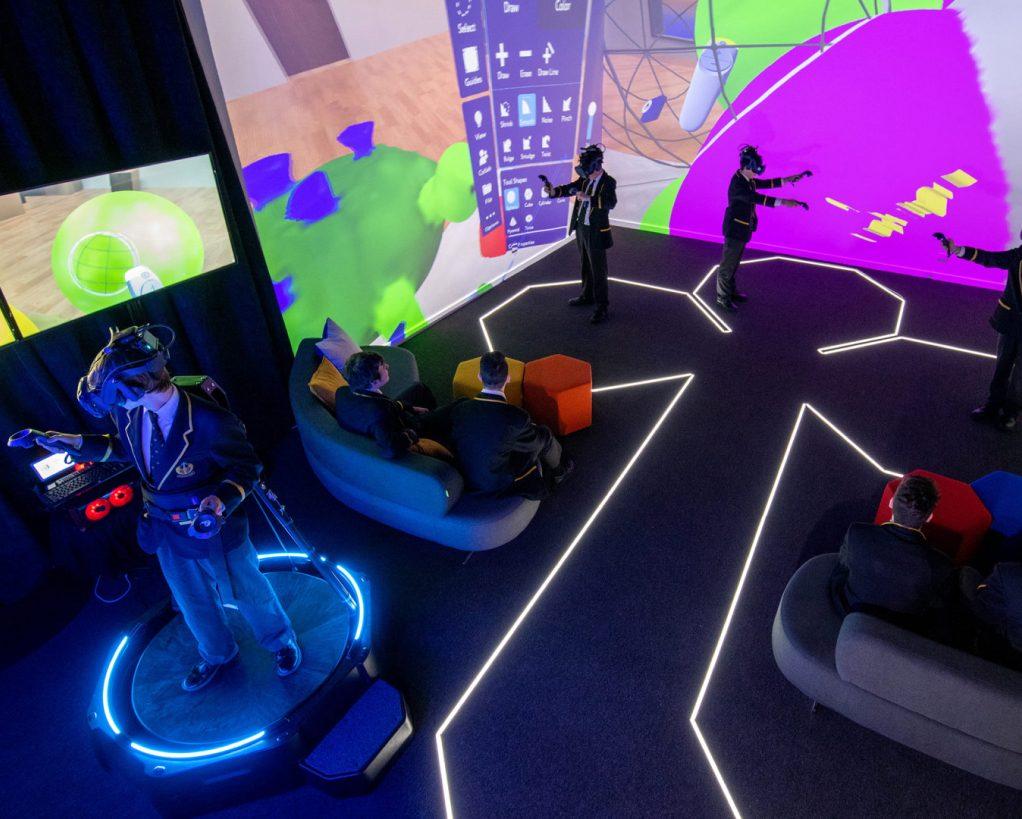
Affordable VR Solutions for Schools: Cost-Effective Options for Classrooms in 2024
Introduction: The rise of VR in modern Classrooms
Virtual Reality (VR) is rapidly changing the educational landscape, offering immersive experiences that make learning interactive, engaging, and memorable. Yet,the perception persists that integrating VR into classrooms requires deep pockets. The good news is, affordable VR solutions for schools in 2024 are more accessible than ever, putting mind-blowing educational technology within reach of even the moast budget-conscious institutions. In this extensive guide, discover the cost-effective VR options for classrooms, their unique advantages, real-world success stories, and tips for seamless implementation in your school.
Why Choose Affordable VR for Schools?
incorporating VR in education unlocks new dimensions of learning—especially when schools invest wisely in budget-amiable solutions. Here’s why affordable VR is a game-changer for classrooms:
- Enhanced Engagement: Students are more attentive and motivated when lessons become interactive, boosting retention and understanding.
- Accessible Experiences: VR makes field trips, scientific explorations, and ancient journeys possible—without leaving the classroom.
- Accommodates Diverse Learning Styles: Visual, auditory, and kinesthetic learners all benefit from immersive VR lessons.
- Prepares for the Future: Familiarity with emerging technology equips students with in-demand skills.
- Cost Savings Over Time: Affordable VR solutions can replace expensive lab equipment and recurring field trip costs.
Top Affordable VR Solutions for Classrooms in 2024
2024 brings a variety of cost-effective VR options designed with education in mind. Here’s a rundown of the best choices available, balancing affordability, usability, and educational value:
1. Google Expeditions Kit (Cardboard VR reimagined)
- Price Range: $15–$70 per headset
- Description: Google Cardboard has set the standard for affordable VR. Now, school sets include a headset, compatible devices (smartphones or tablets), and teacher control software. While Google officially retired Expeditions as an app, many third-party providers offer updated content and compatible experiences.
- Best For: Elementary to high school; introductory VR lessons, virtual field trips, and interactive science modules.
2. ClassVR Headsets
- Price Range: $300–$400 per device (less in multi-unit bundles)
- Description: Specifically tailored for education, ClassVR comes pre-loaded with curriculum-aligned content and features a robust teacher portal for lesson management. Bundles with charging cases and lesson plans add value for schools with larger classes.
- Best For: Schools looking for an all-in-one VR solution with minimal setup and dedicated teaching resources.
3. oculus Quest 2 / Meta Quest 3
- Price Range: $299–$499 per headset
- Description: The Quest series remains one of the most powerful standalone VR devices available.With educational apps like Engage, ExpeditionsPro, and Anne Frank House VR, these headsets cover a wide variety of learning objectives.Bulk purchase discounts and protective cases make them school-friendly.
- Best For: Middle and high school; STEM labs, history lessons, and virtual collaboration.
4. Merge EDU VR Headsets and Cubes
- Price Range: $59–$69 per headset; $99 for Merge Cube kit
- description: Merge VR combines simple, durable headsets with interactive augmented reality cubes, allowing students to hold digital objects and models in their hands. Merge’s software supports a variety of science and STEM curriculum modules.
- Best For: Elementary and middle schools for interactive science, anatomy, and geography.
5. Smartphone-Based VR Kits
- Price Range: $10–$50 per headset
- Description: Budget-friendly VR viewers such as the Homido Grab or bnext VR allow schools to turn existing student smartphones into learning portals. These headsets are easy to sanitize and are ideal for classrooms with shared devices.
- Best For: Schools with bring-your-own-device (BYOD) policies or limited budgets.
Benefits of Using Cost-Effective VR in the Classroom
- Increased Empathy & Understanding: VR simulations let students walk in others’ shoes, enhancing cultural awareness and empathy.
- Hands-On Exploration: Virtual labs provide risk-free, repeatable experiments—perfect for science, technology, engineering, and math.
- Accessible for Special Needs: Customizable VR environments accommodate different learning abilities and paces.
- Collaborative Learning: Digital environments encourage teamwork, creativity, and peer-to-peer dialog.
Real-World Case Studies: Affordable VR Solutions in Action
Case Study 1: Rural School District Makes Science Come alive
A rural Kentucky middle school, seeking to overcome geography barriers, implemented Merge VR headsets and cubes. The cost-effective setup allowed students to conduct virtual science labs, explore the human body in 3D, and even connect with other classrooms nationwide. Test scores in biology and earth science jumped by 20% within a year, while student enthusiasm soared.
Case Study 2: Urban Charter School Bridges Technology Gaps
Using Google Cardboard kits and donated smartphones, this urban charter school created rotating VR stations for history and language arts. Teachers reported higher engagement and curiosity, especially among reluctant readers, when students could visit ancient Rome or witness significant speeches through VR. The school noted improved attendance and reading comprehension by semester’s end.
Practical tips for Implementing VR in Classrooms on a Budget
- Start Small, scale Up: Begin with a single classroom set and pilot program to measure impact before expanding school-wide.
- Leverage Existing Technology: Utilize students’ existing smartphones or tablets with basic VR viewers for the most economical setup.
- Seek Grants and Discounts: Take advantage of education grants, edtech competitions, and vendor discounts for bulk purchases.
- Invest in Content: Prioritize VR platforms with robust,curriculum-aligned educational content and ongoing updates.
- Touch-Free Hygiene: Use easy-to-clean headsets and disposable face covers to keep shared devices sanitary and safe for all.
- Train educators: Provide teacher training sessions and share online resources to build comfort and maximize lesson impact.
First-Hand Experience: Teacher Perspective
“As a science teacher, introducing affordable VR into my classroom was a revelation. Students who struggled with abstract concepts suddenly understood cell biology and planetary motion by interacting with 3D models. The Merge cubes were low-cost but powerful. VR made every lesson stick, and best of all, it leveled the playing field for students who learn differently.”
— Ms. Samantha Ortiz,middle School Science Teacher,Pennsylvania
Conclusion: The Future of Education is Immersive—and Affordable
Affordable VR solutions for schools are transforming classrooms into hubs of interactive learning,creativity,and academic improvement. In 2024, cost-effective virtual reality is no longer a distant dream, but a practical reality for schools of all sizes. By exploring the options highlighted above and applying practical implementation tips, educators can bring world-class VR learning experiences to students—without breaking the bank.
Start small, think big, and watch your students thrive in the immersive, engaging world of affordable classroom VR!